
From reactors to shipping: Rosatom tightens its grip on Russian transport
Russia’s state nuclear corporation Rosatom has taken full control of one of the country’s largest logistics companies, consolidating an expanding tra...
News

Publish date: December 14, 2020
News
Brussels, 11th December 2020.
The European Council has agreed to reduce the EU’s contribution to climate change by ‘at least 55%’ by 2030, by including carbon sinks, such as forests and soils. This changes the calculation for overall reductions and indeed, confuses the matter, by including uncertain levels of removals – this will require new methodologies to be developed later in the decade. In other words, it is impossible to tell, at this stage, by how much the EU will reduce its emissions by 2030 or by how much the reductions target was increased from the current –40%. The Commission’s own assessment suggested this could mean a reduction as low as only 50.5% by 2030, only a cosmetic improvement on current policies.
‘This is a bittersweet moment. More climate ambition is always welcome but the inclusion of sinks in the target waters it down and sets a dangerous precedent that removing carbon with trees and soil is equivalent to not emitting in the first place.’ said Mark Preston Aragonès, Policy Advisor.
At the same time, Member States agreed that using natural gas, a fossil fuel, is an acceptable way to phase out fossil fuels. Further asks on the ETS funds, seem to suggest much was traded and promised in these negotiations for an increase in target which is below what is feasible with current technologies. In other words, it was not ambition that triumphed in the last European Council, but rather last-minute negotiating tactics, at the expense of overall climate ambition.
“Not much to celebrate in the newly agreed headline target for 2030 in Council. The new ‘net’ target means the reductions proposed are closer to -50% emissions cut than to -55%; this is most disappointing, instead of raising up to the responsibility required to deal with the climate crisis, Heads of State preferred to change the accounting system. We will have a hard time following who is reducing by how much. An actual reduction target of 55% is beyond feasible and is the very minimum if the EU is to have a decade of innovation ahead, hopefully in trilogues the voices of citizens and their elected MEPs will be heard”, said Suzana Carp, Political Strategy Director.
Russia’s state nuclear corporation Rosatom has taken full control of one of the country’s largest logistics companies, consolidating an expanding tra...
August brought signs of growing pressure on several fronts for Russia’s state nuclear corporation Rosatom, from questions surrounding major construct...
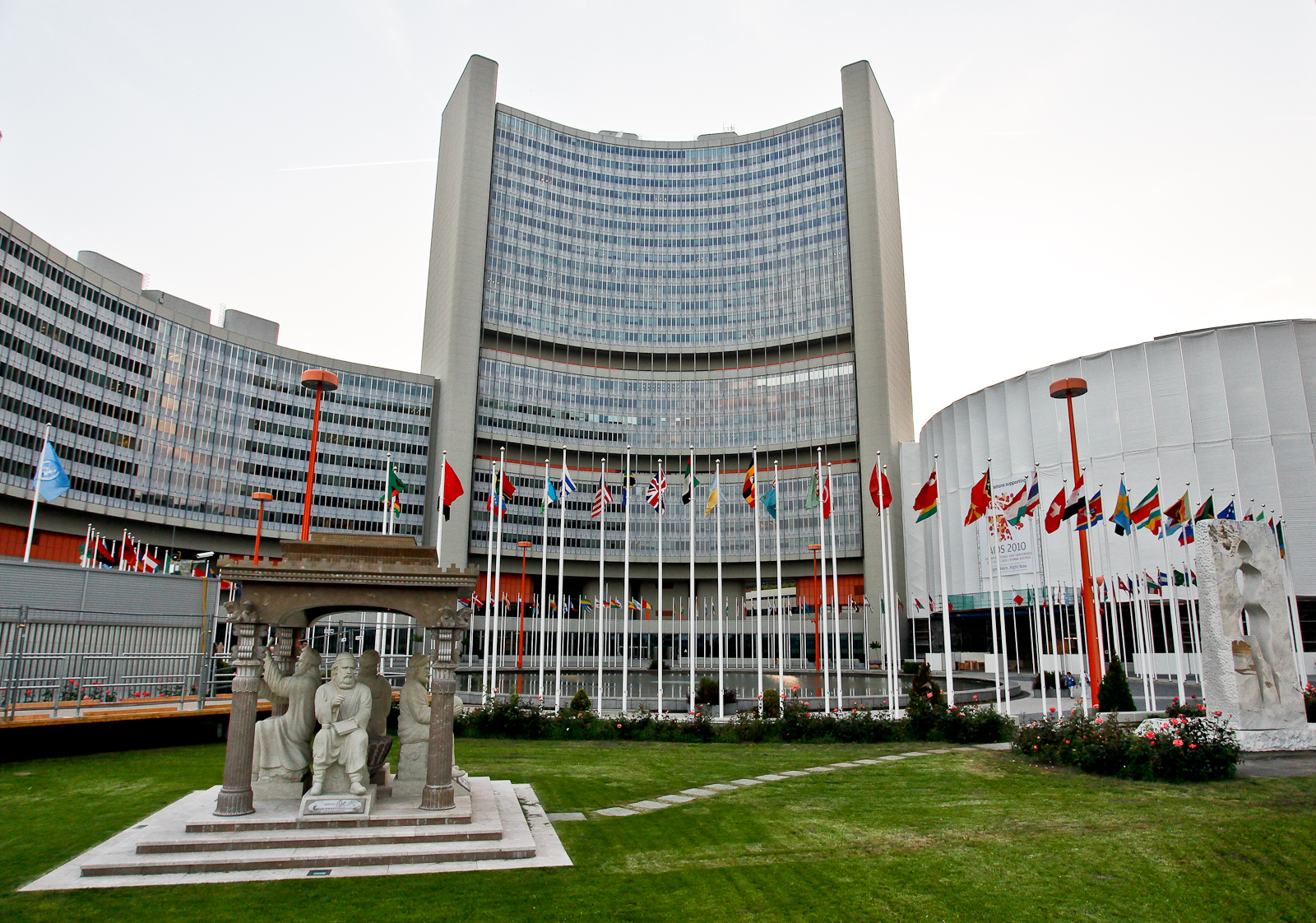
The International Atomic Energy Agency has suspended one of its most senior Russian officials — but for reasons largely unrelated to the questions ab...
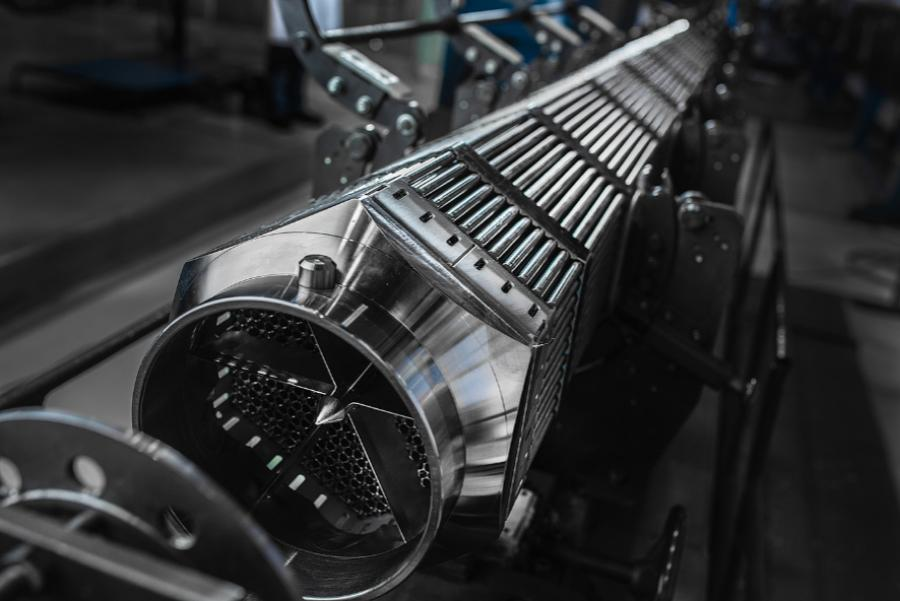
Europe’s effort to break its dependence on Russian nuclear fuel has a paradox in Germany: making Russian-designed fuel without buying it from Russia ...