
From reactors to shipping: Rosatom tightens its grip on Russian transport
Russia’s state nuclear corporation Rosatom has taken full control of one of the country’s largest logistics companies, consolidating an expanding tra...
News
Publish date: August 7, 2026
News
Despite sweeping Western sanctions, Russia’s ambitions in the Arctic continue to advance—albeit in increasingly different ways. Novatek’s Arctic LNG 2 project appears to have found a workable, if limited, export model centered almost entirely on China, while Rosneft is pressing ahead with its massive Vostok Oil development despite mounting questions over whether its ambitious production targets can ever be realized.
These two stories dominate Bellona’s June Arctic Digest, highlighting both the resilience—and the growing constraints—of Russia’s Arctic energy strategy.
After months of uncertainty, Arctic LNG 2 has begun to establish something resembling a stable export system. During June, five LNG cargoes left the sanctioned plant. Most were transferred to the floating storage facility Saam FSU near Murmansk, while another was shipped east along the Northern Sea Route aboard the icebreaking LNG carrier Christophe de Margerie to the Koryak FSU off Kamchatka. Another tanker, the recently reflagged Arctic Express, also joined the growing fleet moving cargo from the project.
Bellona notes that shipping activity along the Northern Sea Route now differs markedly from last year. Rather than sporadic shipments, Arctic LNG 2 is conducting regular deliveries to China, which has effectively become the project’s sole customer. Export volumes remain constrained primarily by the limited number of available Arc7 icebreaking LNG carriers, though Bellona expects that as Arctic sea ice retreats later this summer, lower ice-class vessels from Russia’s shadow fleet may also begin transporting cargoes eastward.
Russia also marked the long-delayed commissioning of the Konstantin Posyet, only the second Arc7 LNG carrier completed at the Zvezda shipyard. Built more than two years behind schedule, the vessel is expected to enter long-term service with Arctic LNG 2. But Bellona cautions that the achievement masks deeper problems. The Konstantin Posyet is likely the last vessel whose critical foreign components reached Russia before sanctions took effect. Although three additional hulls remain under construction, Bellona says the chances they will be completed on schedule are “unlikely,” as France’s membrane containment systems were installed only on the first two ships, while Russia’s purported domestic replacement technology remains largely unproven and may itself rely heavily on Chinese expertise.
China’s role continues to deepen. Reuters reported that PipeChina is preparing to open a second LNG import terminal at Longkou before October, adding another 5 million tonnes of annual import capacity dedicated to Arctic LNG 2. The company already operates the Beihai terminal, currently the only Chinese facility receiving LNG from the project. Since entering service, Beihai has handled 41 cargoes totaling 2.6 million tonnes.
For Bellona, China’s growing involvement sends a broader signal. Despite Western sanctions, “Russia has managed to find buyers in China and is gradually finding LNG carriers for exports.” The participation of Chinese state-owned companies in both purchasing LNG and operating import terminals suggests Beijing expects “no secondary sanctions,” while discounted Russian gas—sold at an estimated 30 to 40 percent below market prices—has only strengthened China’s incentive to deepen the relationship. At the same time, Bellona argues that because China has become Arctic LNG 2’s only customer, demand alone will not justify Russia’s plans for additional Arctic LNG plants.
Elsewhere in the Russian Arctic, Rosneft continues pushing ahead with Vostok Oil, its flagship effort to transform northern Krasnoyarsk into what CEO Igor Sechin has called a world-class oil production cluster.
The company’s first major milestone is now approaching. According to Sechin, the initial phase of the Bukhta Sever oil terminal is scheduled to begin operating in September. The terminal will initially handle 28.4 million tonnes of oil annually and ultimately serve as the export hub for Vostok Oil’s planned production.
Those ambitions remain enormous. Russia’s official development strategy envisions Vostok Oil reaching 100 million tonnes of annual production by 2030—more than twice the current freight volume moving along the Northern Sea Route. Yet the project is still in its early stages. Trial production has begun only at one section of the Payakha field, and Rosneft has yet to indicate whether output there will be sufficient to support even the terminal’s initial operating capacity.
Beyond the engineering challenge lies a broader environmental one. As Bellona notes, the vast network of pipelines, terminals and supporting infrastructure required by Vostok Oil is being built across one of the Arctic’s most fragile tundra ecosystems. Whether the project ultimately fulfills Rosneft’s production ambitions—or falls short of them—it is already reshaping one of the world’s most environmentally sensitive regions.
Russia’s state nuclear corporation Rosatom has taken full control of one of the country’s largest logistics companies, consolidating an expanding tra...
August brought signs of growing pressure on several fronts for Russia’s state nuclear corporation Rosatom, from questions surrounding major construct...
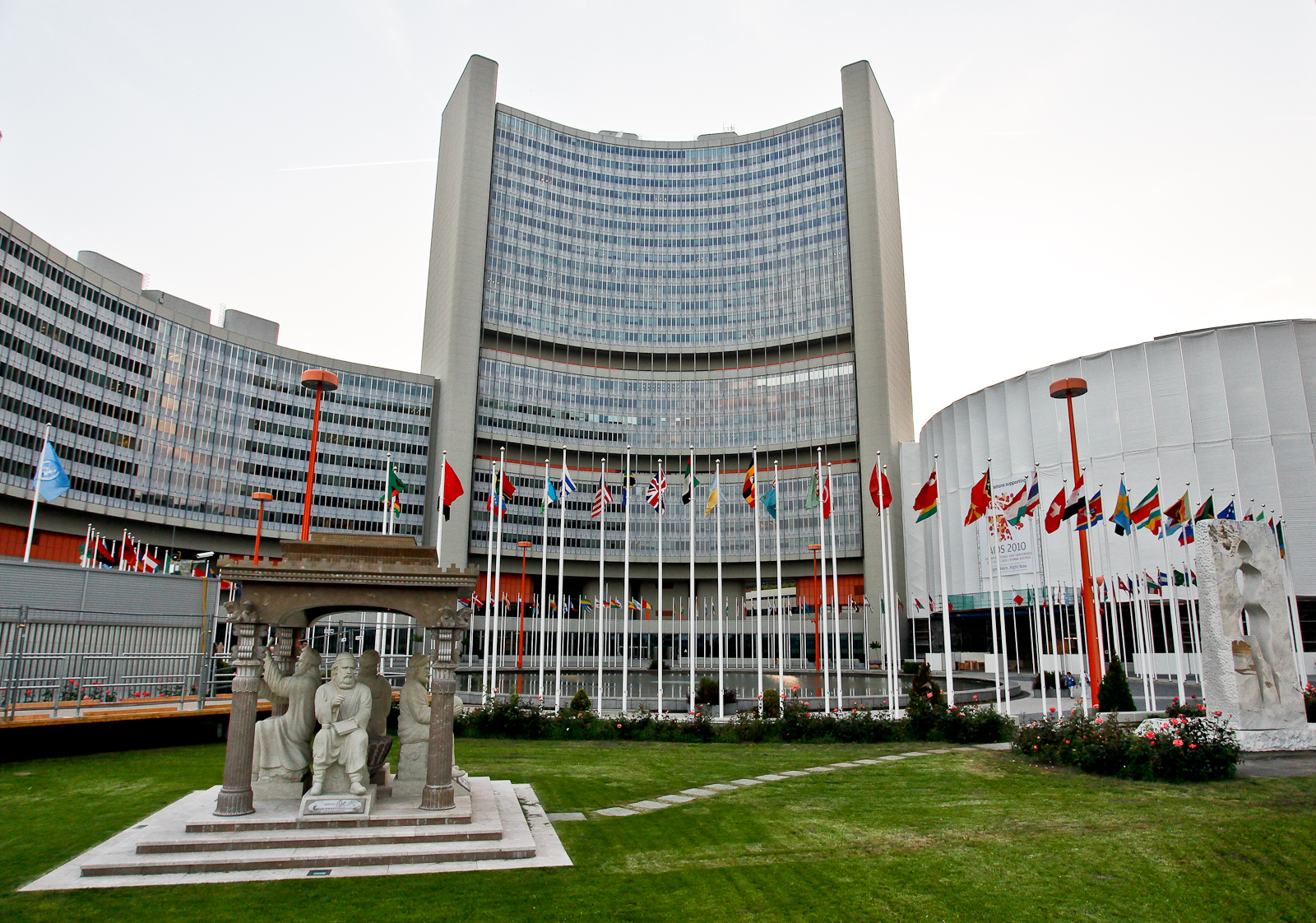
The International Atomic Energy Agency has suspended one of its most senior Russian officials — but for reasons largely unrelated to the questions ab...
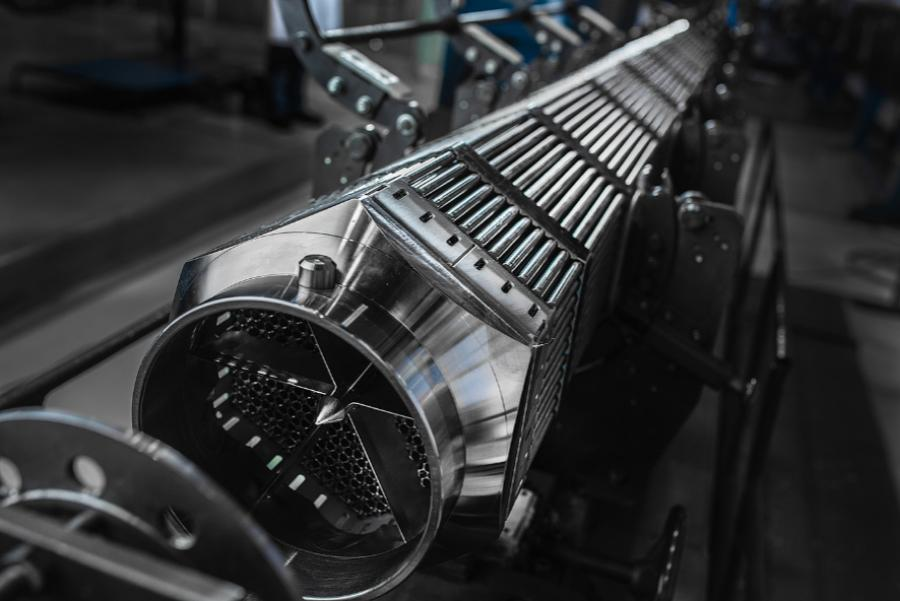
Europe’s effort to break its dependence on Russian nuclear fuel has a paradox in Germany: making Russian-designed fuel without buying it from Russia ...