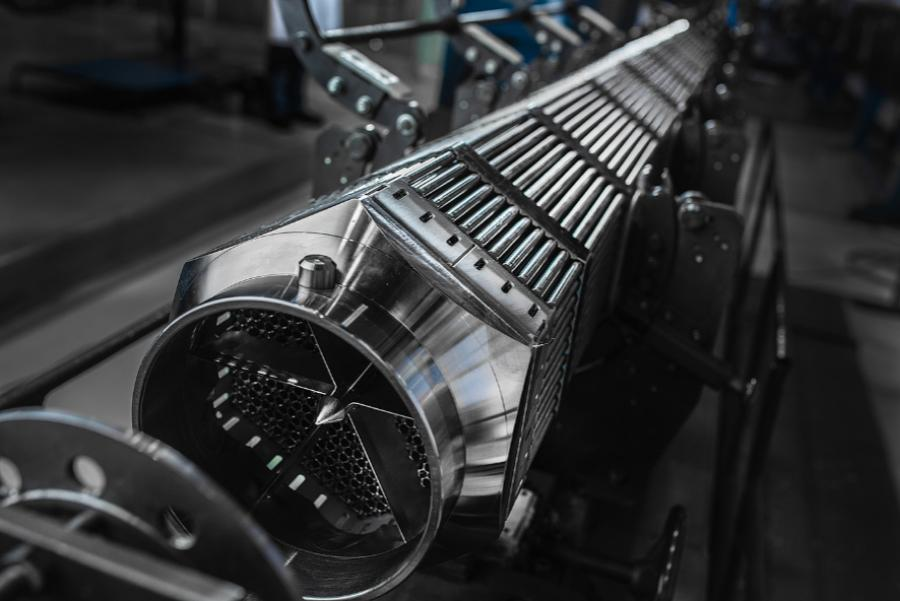
Germany wants independence from Russian nuclear fuel, using Rosatom as a bridge
Europe’s effort to break its dependence on Russian nuclear fuel has a paradox in Germany: making Russian-designed fuel without buying it from Russia ...
News

Publish date: March 2, 2000
Written by: Thomas Nilsen
News
Since the General Prosecutor Office last week called on a nation-wide verification of green activists, several groups have come into trouble. Yesterday, the police tried to close down the Moscow office of Greenpeace.
It was in the morning on March 1, when the police came to the Greenpeace office in Moscow and ordered to clear the room in 20 minutes. After that, the police officer said, the doors would be sealed. But since the police could not present any warrant to support their claim, the Greenpeace members denied leaving and stayed at their desks.
The only verbal explanation from the police officer on duty was the illegal replanning of the office premises made by Greenpeace. Director of Greenpeace Russia, Sergey Tsyplenkov, went to the district police office of Begovoy in Moscow and asked for the official documents permitting the police to close down the Greenpeace office, but no legal grounds were presented.
According to unofficial information, the decision to shut down Greenpeace office had been drawn on February 29 at a session of the Moscow Interdepartmental Anti-Terrorist Commission.
Greenpeace opened its Moscow office in 1992. Several other environmental groups in Russia are currently facing similar problems as Greenpeace. The local police and prosecutor offices are conducting verification of green groups, hunting for one or another reason to stop their activity. According to the reports available, the tax authorities have now joined the prosecutors. The main area of interest expressed by both bodies is the sources to funding for groups activities that regularly comes from abroad.
The authorities seem to be desperate to crack on the environmental movement in Russia and the regular question of concern for the groups is “Who is the next in line?”
Europe’s effort to break its dependence on Russian nuclear fuel has a paradox in Germany: making Russian-designed fuel without buying it from Russia ...
Nearly four and a half years after Russia’s full-scale invasion of Ukraine, July offered fresh evidence of how difficult it remains to disentangle Ru...
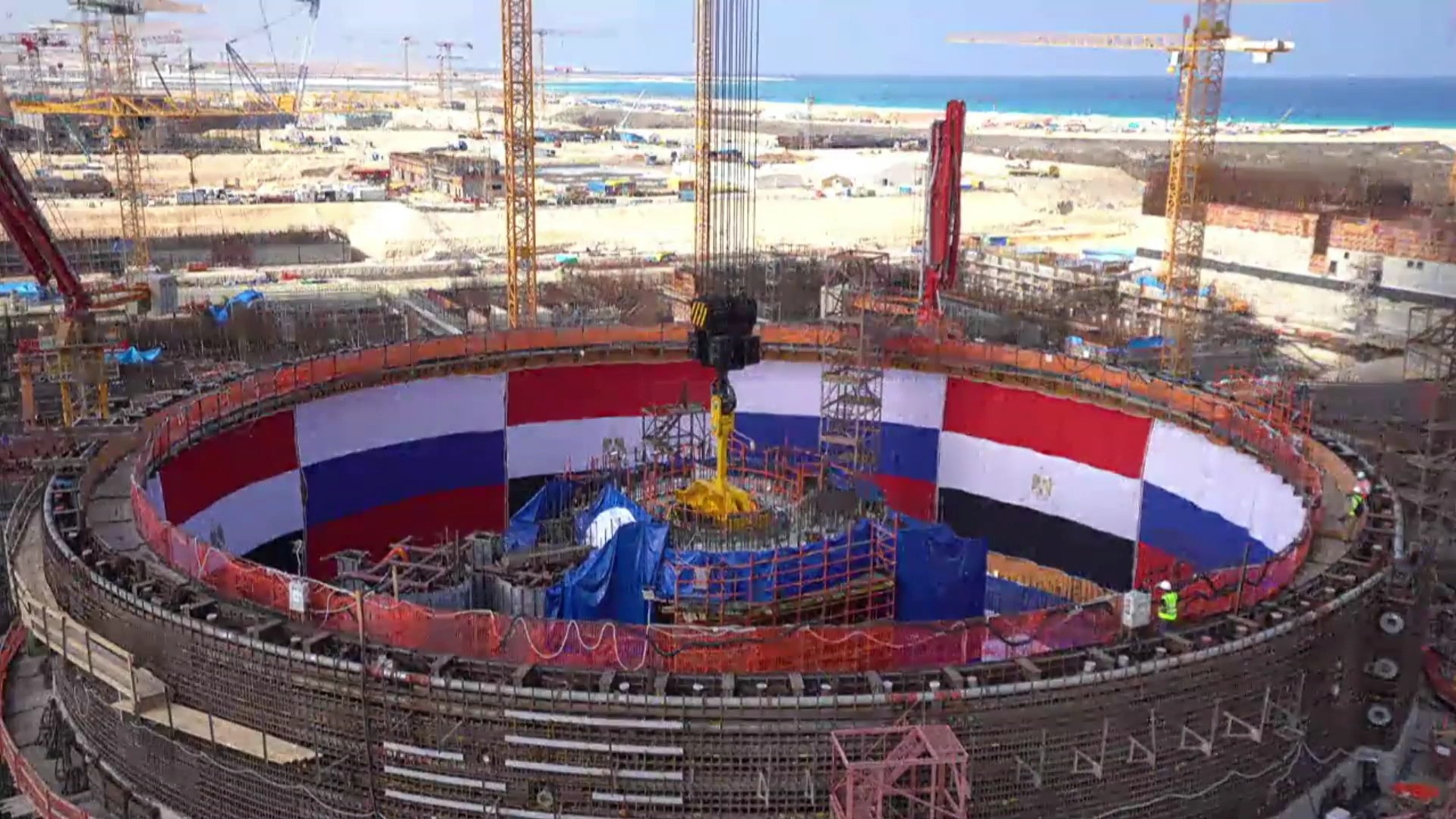
Just days after Egyptian nuclear authorities reportedly accused Rosatom of construction defects, poor management and vi...
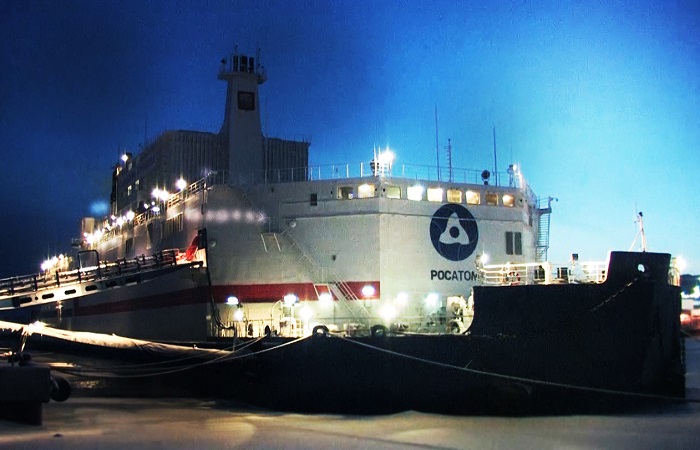
For years, the Akademik Lomonosov looked like one of the nuclear industry’s more eccentric experiments: two reactors mounted on a barge and tow...