
From reactors to shipping: Rosatom tightens its grip on Russian transport
Russia’s state nuclear corporation Rosatom has taken full control of one of the country’s largest logistics companies, consolidating an expanding tra...
News

Publish date: January 27, 2014
News
The European Commission has recently presented its much anticipated White Paper on the EU’s 2030 Framework for Climate and Energy Policies (read more here). Although it includes strong wording on CO2 Capture and Storage (CCS), the EU executive has scaled back its climate ambitions dramatically in the name of “cost-effective” decarbonisation. Proposed measures include an unambitious greenhouse gas emission reduction target of 40% by 2030 driven by an increase in the linear reduction factor of the Emissions Trading Scheme (ETS) from 1.74% to 2.2% in 2020. A modest but supposedly binding renewables target of 27% is also proposed.
“It is now up to Member States and Parliament to strengthen these suggestions and put the package on track to deliver the ambition we need to keep below the 2°C limit in global temperature increases,” states Jonas Helseth, Director of Bellona Europa. “In particular, we need a tighter CO2 emissions target and a clear EU commitment to set the tone for Paris 2015.”
In the attached document (below), Bellona looks at some central aspects of the White Paper and offers initial considerations. Main points include:
Bellona also notes the heightened role that Member States are expecting to play, both in emission reductions overall and in specific areas, including CCS. The EU is certainly in a different financial state now than when the 2020 framework was drawn up and increased flexibility will surely be welcome to many. It is however, important that clarity is strengthened and purpose maintained as the Union moves toward a low-carbon economy and sustainable society.
Russia’s state nuclear corporation Rosatom has taken full control of one of the country’s largest logistics companies, consolidating an expanding tra...
August brought signs of growing pressure on several fronts for Russia’s state nuclear corporation Rosatom, from questions surrounding major construct...
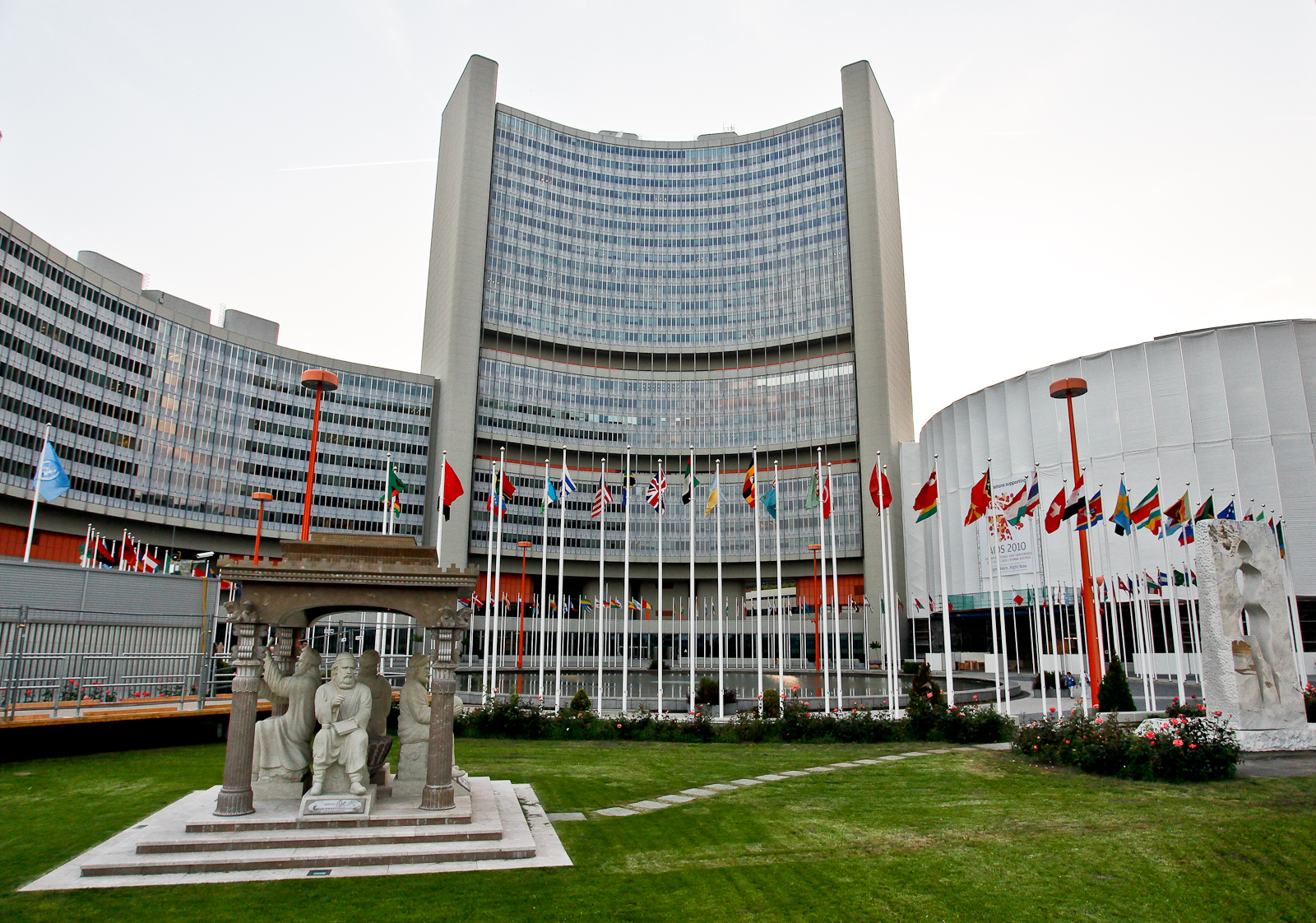
The International Atomic Energy Agency has suspended one of its most senior Russian officials — but for reasons largely unrelated to the questions ab...
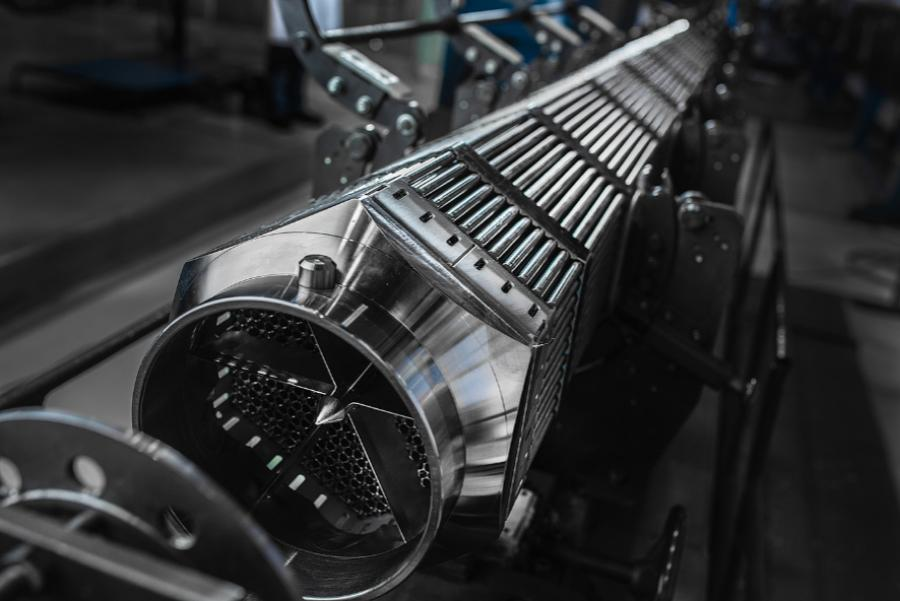
Europe’s effort to break its dependence on Russian nuclear fuel has a paradox in Germany: making Russian-designed fuel without buying it from Russia ...