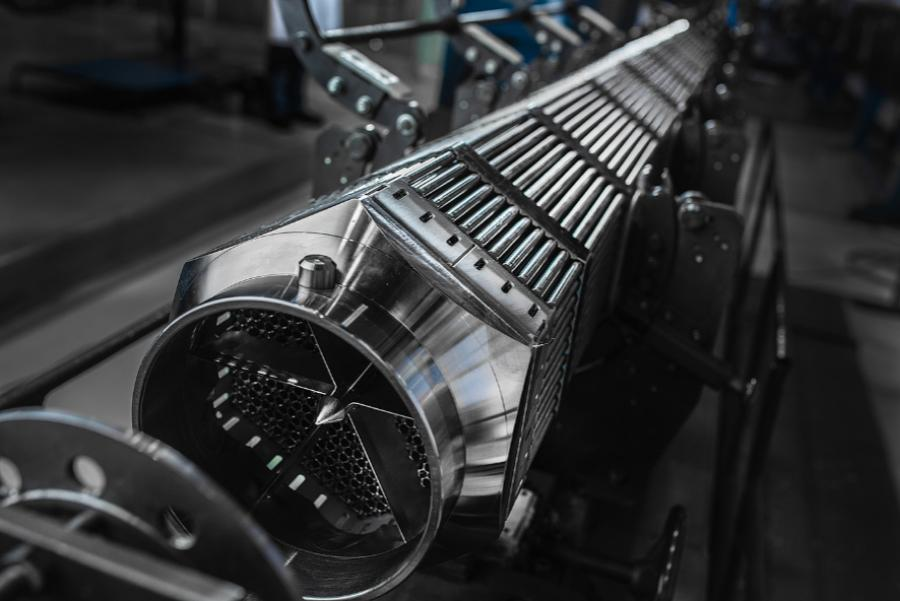
Germany wants independence from Russian nuclear fuel, using Rosatom as a bridge
Europe’s effort to break its dependence on Russian nuclear fuel has a paradox in Germany: making Russian-designed fuel without buying it from Russia ...
News
Publish date: August 27, 2003
News
The Tomsk plant’s estimated price is $1 billion. It will be constructed within the framework of Russian-American program on weapon-grade plutonium disposition. The Tomsk-based facility will be built using money promised at the 2002 meeting of the Group of Eight industrialised nations, or G-8. So far the work has been funded from the US Defence Department budget. The US concern Duke Cogema Stone & Webster was specially established for this purpose in the United States. The Russian nuclear fuel giant TVEL represents Russia in the program. The delegation from the Siberian Chemical Combine, headed by First Deputy Director General Valery Mesheryakov, visited Charlotte, North Carolina, to agree on practical issues of adaptation of the MOX-Fuel Fabrication Facility construction project. Geological research of the construction site are due to start in September or October. The site occupies 35 hectares and is situated 7.5 km from Seversk, formerly Tomsk-7. The foundation ditch will be ready by 2005. MOX-fuel can be used in fast neutron reactors like the BN-600 at the Beloyarsk NPP and in specially retrofitted VVER-1000 reactors. A VVER-1000 at the Balakovo NPP is scheduled to be the fist to be retrofitted for MOX use. The MOX fuel program is highly criticised by the environmental organisations for its high threat to the environment. And, because of the plutonium involved, it is panned as a proliferation risk as well.
Europe’s effort to break its dependence on Russian nuclear fuel has a paradox in Germany: making Russian-designed fuel without buying it from Russia ...
Nearly four and a half years after Russia’s full-scale invasion of Ukraine, July offered fresh evidence of how difficult it remains to disentangle Ru...
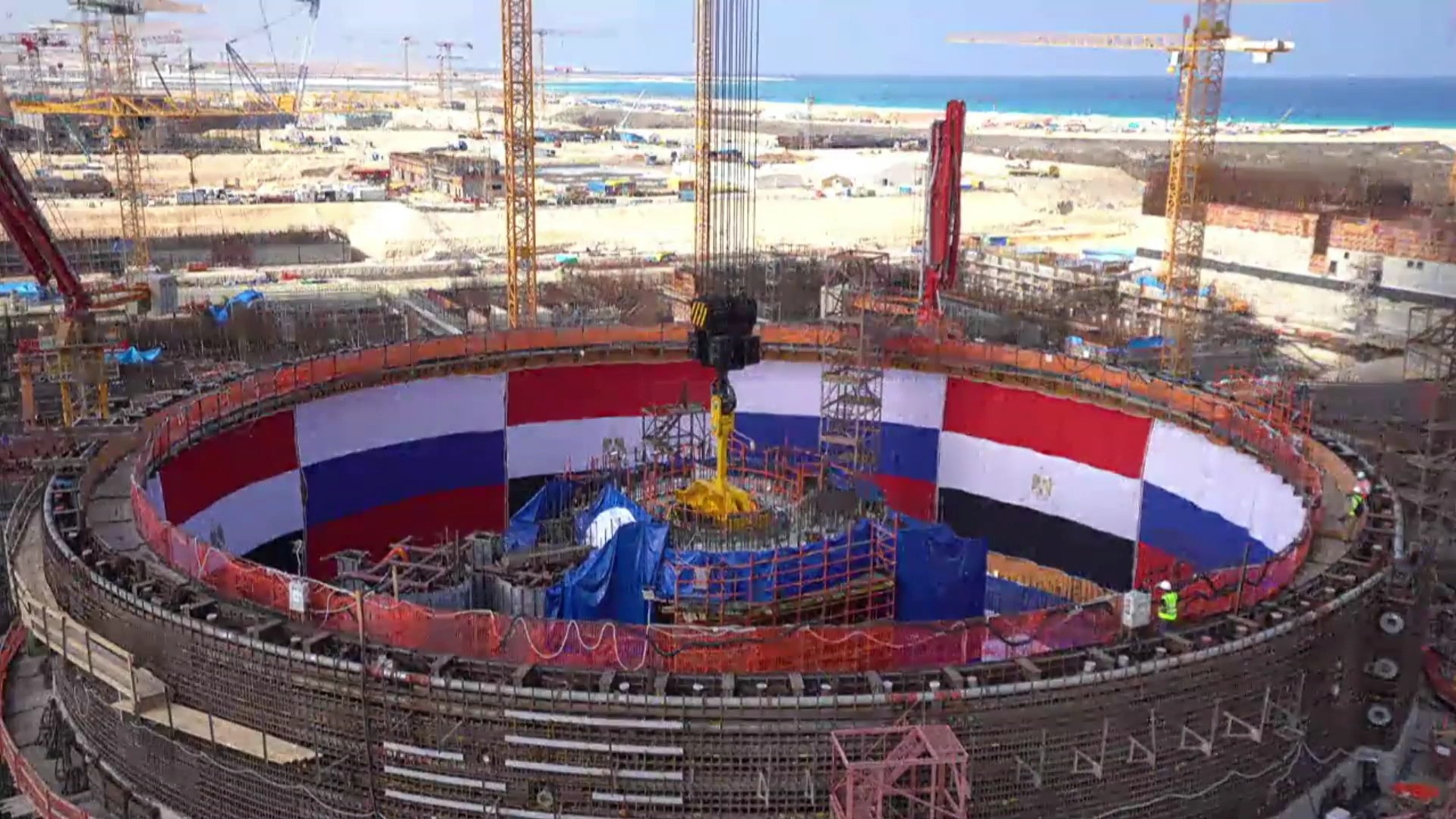
Just days after Egyptian nuclear authorities reportedly accused Rosatom of construction defects, poor management and vi...
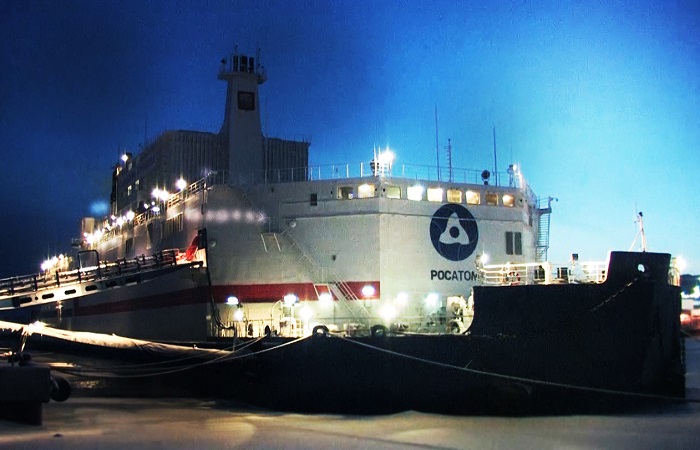
For years, the Akademik Lomonosov looked like one of the nuclear industry’s more eccentric experiments: two reactors mounted on a barge and tow...