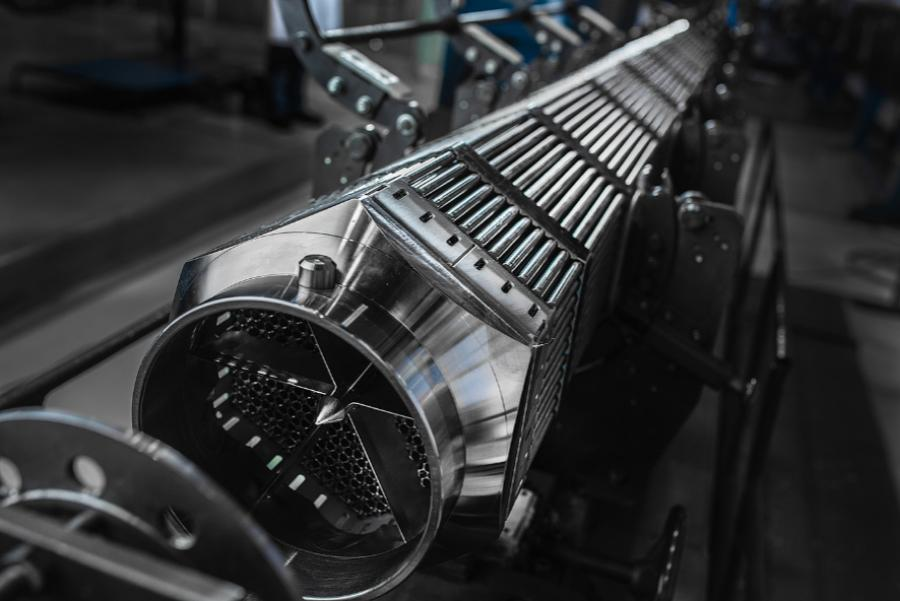
Germany wants independence from Russian nuclear fuel, using Rosatom as a bridge
Europe’s effort to break its dependence on Russian nuclear fuel has a paradox in Germany: making Russian-designed fuel without buying it from Russia ...
News
Publish date: October 27, 1999
Written by: Igor Kudrik
News
Spent fuel from the north-most nuclear reactor in Norilsk, north-western Siberia, was shipped to Murmansk last month and then further down to Mayak reprocessing plant in South Urals.
The reactor was operated by Norilsk Mining Combine since 1966 and is situated four kilometres from the city of Norilsk. The reactor is said to have been used to define the quality of the ore, mined by the combine, by irradiating it and conducting spectrometer analysis. The reactor became obsolete when the combine – a biggest Russian ore exporter – bought up-to-date spectrometers abroad.
In June 1998, the reactor core containing 71 fuel assemblies was removed and placed into an on-site storage pool. The fuel loaded for the first and last time in 1966 was only slightly irradiated what proves that the reactor has been hardly in use during its 33-year lifetime. Fuel enrichment was not higher than 10 percent.
In September this year, a team from Murmansk Shipping Company, the operator the nuclear powered icebreakers fleet, arrived at Norilsk to ship the fuel away. The nuclear cargo was loaded into TUK-19 type transport casks, designed to accommodate fuel from research reactors, put on truck and transported to Dudinka seaport. There the containers were placed onboard Kandalaksha dry cargo ship that headed to Murmansk. In Murmansk the containers were transferred to railway cars built to transport spent fuel, derived from research reactors, that proceeded to Mayak reprocessing plant in South Urals.
The future of the reactor vessel itself remains uncertain. No plans regarding its further use or decommissioning have been announced so far.
Europe’s effort to break its dependence on Russian nuclear fuel has a paradox in Germany: making Russian-designed fuel without buying it from Russia ...
Nearly four and a half years after Russia’s full-scale invasion of Ukraine, July offered fresh evidence of how difficult it remains to disentangle Ru...
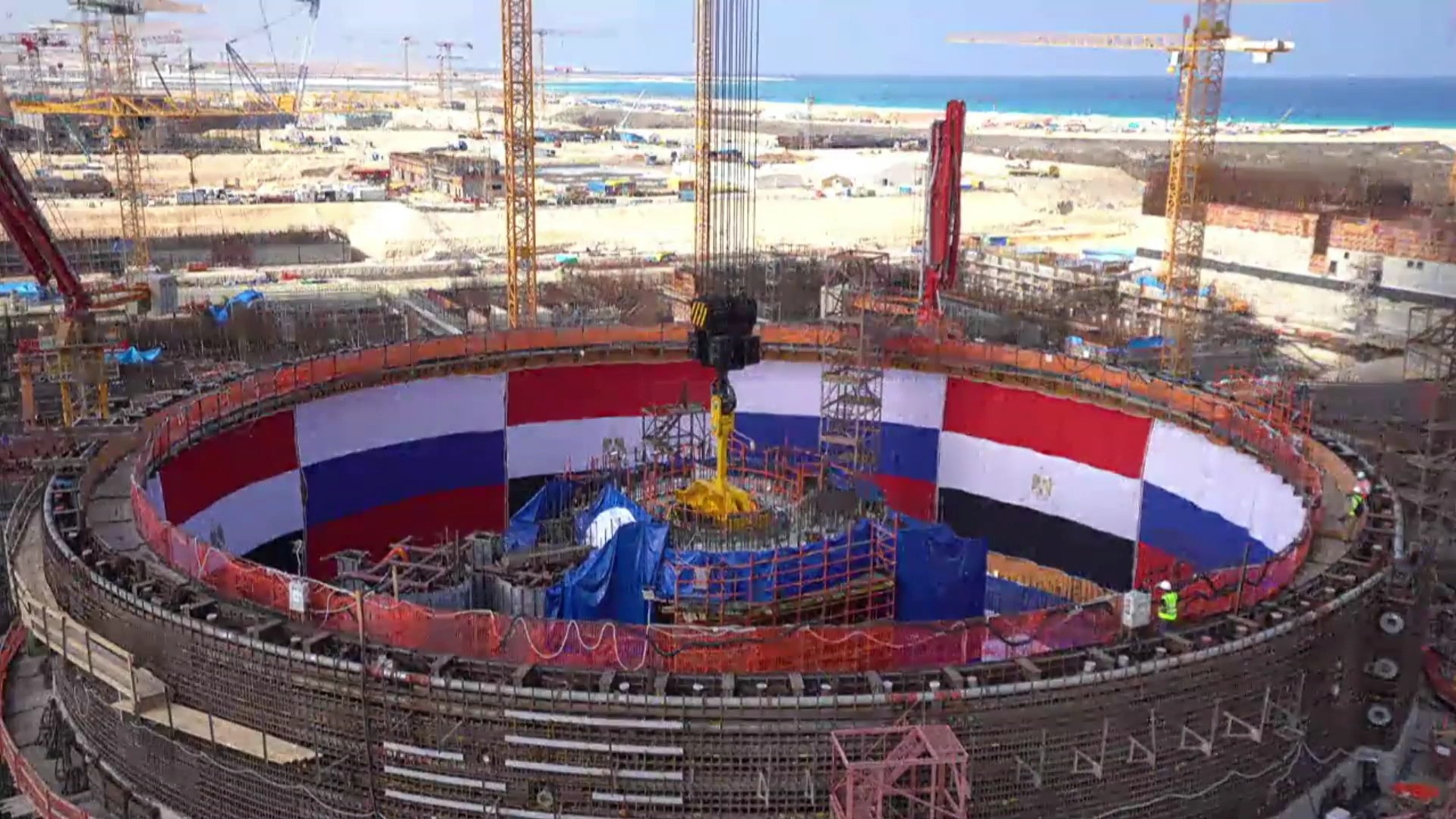
Just days after Egyptian nuclear authorities reportedly accused Rosatom of construction defects, poor management and vi...
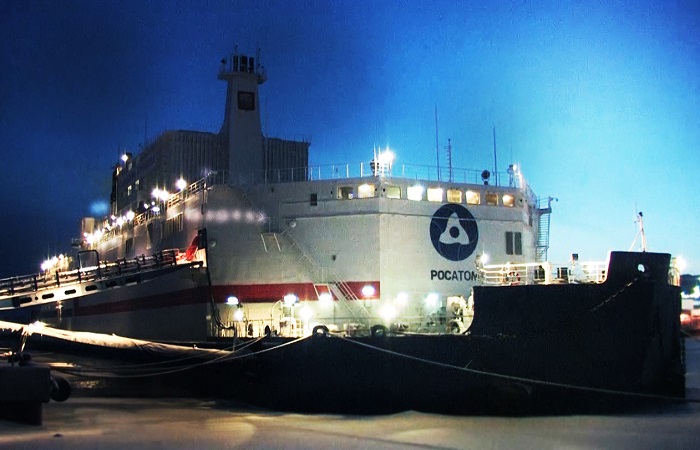
For years, the Akademik Lomonosov looked like one of the nuclear industry’s more eccentric experiments: two reactors mounted on a barge and tow...