Rosatom faces pressure abroad as Zaporizhzhia’s nuclear risks deepen
August brought signs of growing pressure on several fronts for Russia’s state nuclear corporation Rosatom, from questions surrounding major construct...
News

Publish date: February 24, 2023
News
Through the funds allocated within the Connecting Europe Facility, the EU has the opportunity to strategically and financially support the development of cross-border energy infrastructure between EU countries. In order to ensure public money is allocated to projects that maximize benefits for market integration, security of supply and sustainability, the Commission is tasked to develop guidelines and indicators to assess them.
Before concrete Projects of Common Interest (PCI) and Projects of Mutual Interest (PMI) for electricity and offshore grid corridors, as well as for hydrogen infrastructure can be selected for funding within the Trans-European Networks for Energy (TEN-E) framework, the Members of the regional stakeholders working groups were asked for feedback on the selection criteria. Bellona welcomes this opportunity and provided recommendations both on the “Identification of system needs for the TEN-E priority electricity and offshore grid corridors” and the “Identification of Hydrogen infrastructure needs for the TEN-E priority corridors“.
Overall, the proposed criteria appear to be suitable for identifying the cross-border infrastructure needs of interconnectors to strengthen the European electricity grid and those of a currently nascent hydrogen economy. Nevertheless, Bellona considers it crucial not to treat hydrogen-based solutions as an alternative to the expansion of the electricity grid. Subjecting a needs assessment for hydrogen infrastructure to realistic models that assume maximum energy efficiency through direct electrification while simultaneously identifying the corresponding expansion needs for the electricity grid is a critical balancing act.
Most importantly, Bellona urges for the inclusion of sustainability criteria that are based on rigorous climate and environmental standards in both project assessment methodologies. Thorough consideration of potential environmental impacts is essential to ensure that the deployment of electricity grid and hydrogen infrastructure does in fact achieve the highest emission reductions possible without delaying climate action and hampering nature conservation.
Download our consultation responses here:
Identification of system needs for the TEN-E priority electricity and offshore grid corridors
Identification of Hydrogen infrastructure needs for the TEN-E priority corridors
August brought signs of growing pressure on several fronts for Russia’s state nuclear corporation Rosatom, from questions surrounding major construct...
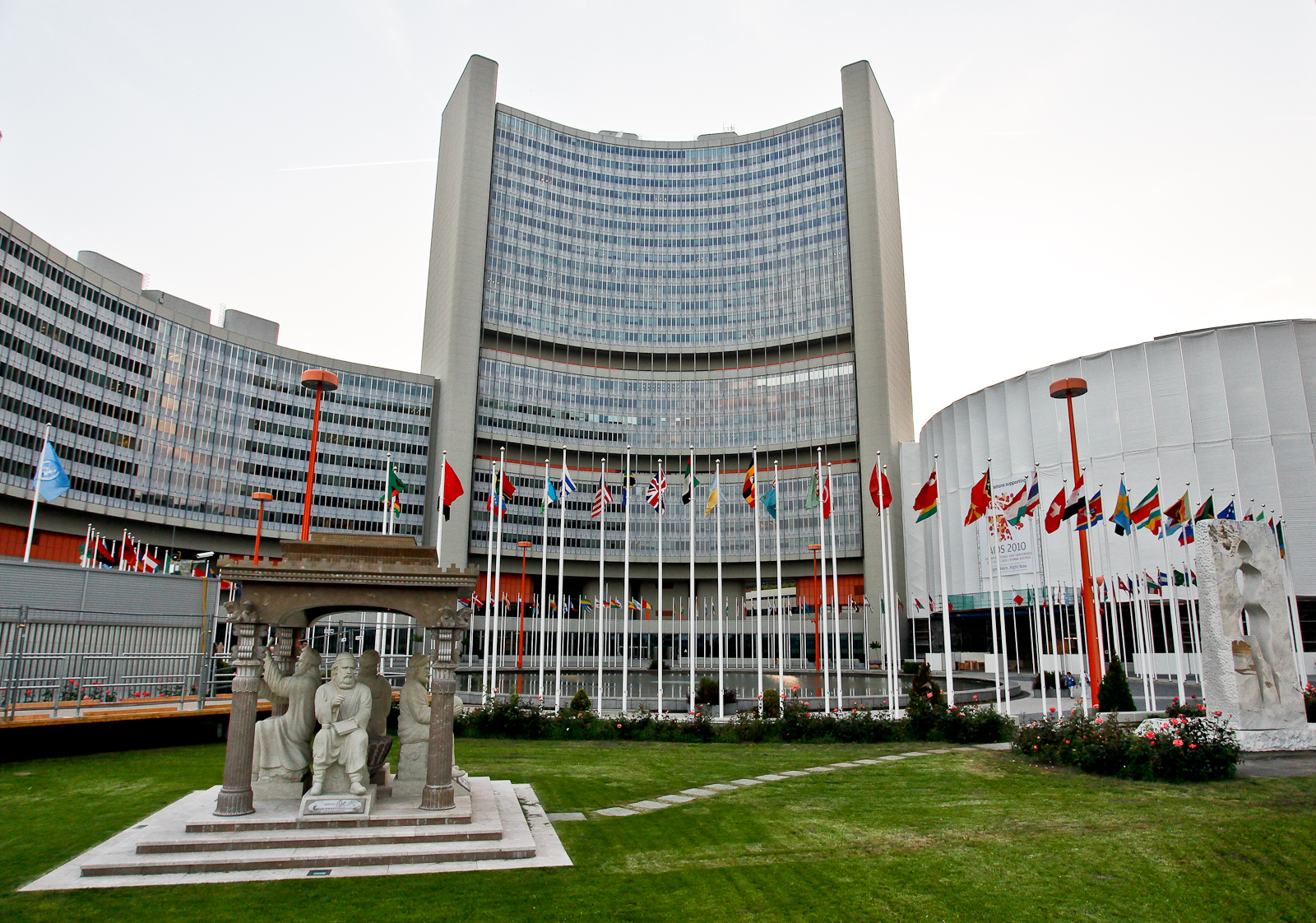
The International Atomic Energy Agency has suspended one of its most senior Russian officials — but for reasons largely unrelated to the questions ab...

Europe’s effort to break its dependence on Russian nuclear fuel has a paradox in Germany: making Russian-designed fuel without buying it from Russia ...
Nearly four and a half years after Russia’s full-scale invasion of Ukraine, July offered fresh evidence of how difficult it remains to disentangle Ru...