Rosatom faces pressure abroad as Zaporizhzhia’s nuclear risks deepen
August brought signs of growing pressure on several fronts for Russia’s state nuclear corporation Rosatom, from questions surrounding major construct...
News
Publish date: February 24, 2026
News
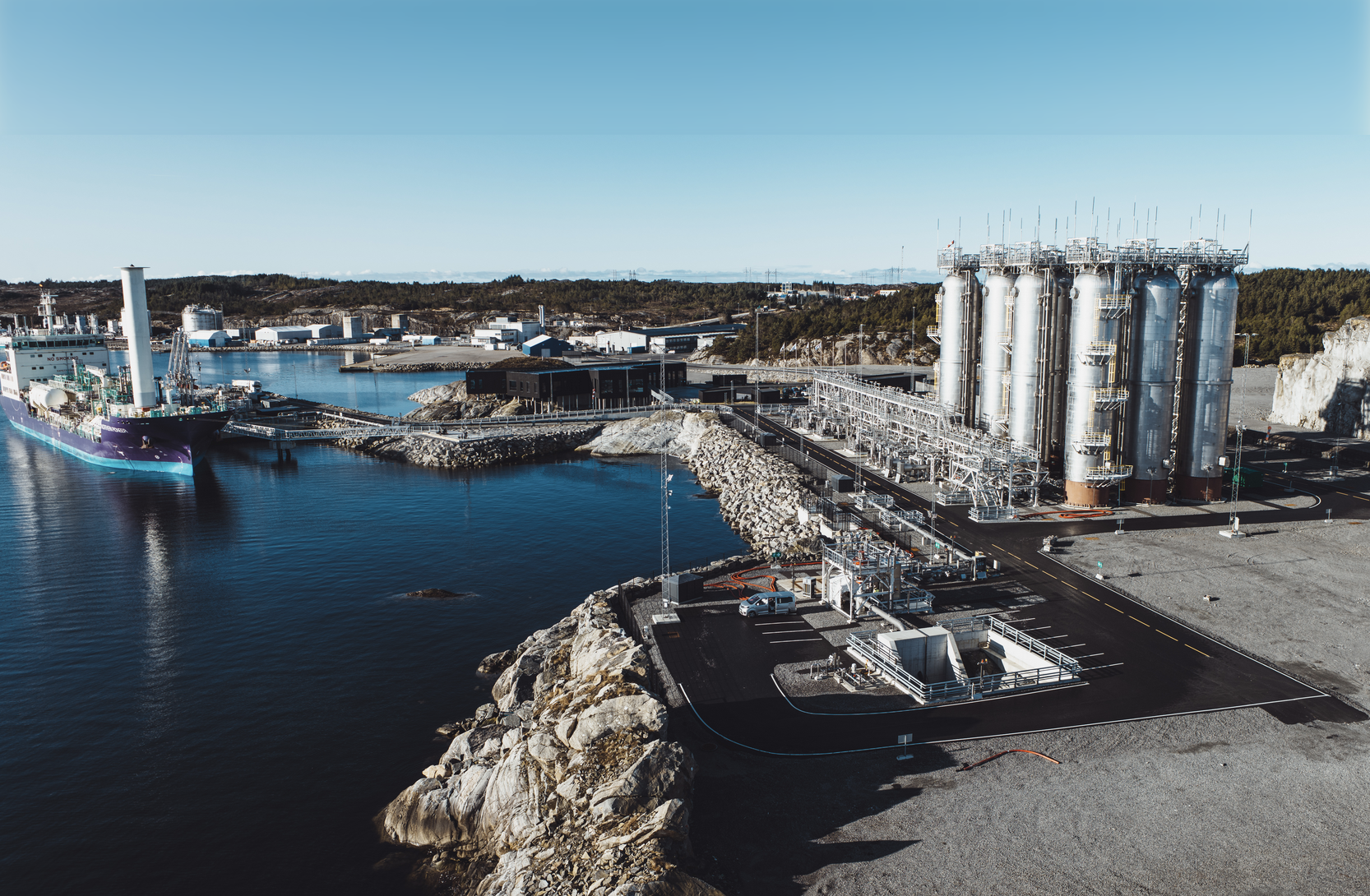
A ruling by the European Free Trade Association Court that Norway’s continental shelf falls under the European Economic Area Agreement could dramatically reshape the country’s climate obligations—and trigger a massive expansion of carbon dioxide storage capacity in the North Sea.
Bellona hailed the decision as a historic breakthrough with far-reaching consequences for European climate policy. At the heart of the issue is the EU’s Net-Zero Industry Act (NZIA)—specifically its Article 23—which obliges oil and gas producers to help deliver at least 50 million tonnes of annual CO₂ injection capacity across the EU by 2030.
Until now, Norway had argued that the country’s offshore petroleum activities on the Norwegian continental shelf were not covered by the EEA Agreement. That interpretation allowed Oslo to signal to the European Commission that it had no intention of honoring the NZIA’s storage obligations within its offshore oil and gas sector.
The EFTA Court’s advisory opinion undercuts that position.
“This is a case we have worked on for more than 15 years,” said Bellona’s managing director, Sveinung Rotevatn, in a statement. “The Norwegian continental shelf is covered by the EEA Agreement. That means Norway must now incorporate the Net-Zero Industry Act into the EEA framework.”

Although the EFTA Court’s rulings are formally advisory, this one was requested by the Supreme Court of Norway itself. For Oslo to disregard the opinion would risk significant political and legal friction with Brussels. Bellona’s Rotevatn argues that ignoring the ruling could trigger a “deep crisis” in Norway’s relationship with the EU— particularly if Norway were perceived as selectively applying internal market legislation.
For European policymakers, the implications are significant.
Article 23 of the NZIA marks a turning point in EU industrial climate policy. After decades in which carbon capture and storage (CCS) was largely voluntary and heavily subsidized, the regulation introduces binding obligations on oil and gas producers.
Companies are required to contribute proportionally to the development of CO₂ storage sites, based on their historic production volumes. Member states must establish regulatory frameworks, ensure transparent geological data, and introduce penalties for non-compliance.
Crucially, Norway was not included in the EU’s 50 million tonne target. Instead, the Commission made clear during negotiations that any Norwegian storage contribution would have to come in addition to the EU-wide objective. Given Norway’s vast offshore geological storage potential and its position as Europe’s largest gas supplier, that distinction matters.
If the NZIA now applies to the Norwegian continental shelf, oil and gas operators active there could face mandatory obligations to develop many millions of tonnes of injection capacity before the end of the decade. With 2030 just four years away, that timeline would require rapid project approvals, investment decisions and infrastructure build-out.
Norway is already home to flagship CCS initiatives, including cross-border CO₂ transport and storage projects aimed at serving industrial emitters across Europe. But Article 23 changes the logic of deployment: instead of relying solely on state-supported demonstration projects, it creates a compliance-driven market obligation.
Bellona has been closely tracking implementation across member states through its “Article23Watch” initiative, monitoring whether governments are introducing the necessary enforcement mechanisms. Several oil and gas companies have launched legal challenges against aspects of the NZIA, arguing that the storage obligation is disproportionate or legally flawed. Environmental advocates, meanwhile, are preparing legal interventions in support of the regulation.
The EFTA Court’s clarification adds a new dimension to those battles. If Norway is definitively bound by the NZIA through the EEA Agreement, it could become one of the largest contributors to Europe’s storage capacity build-out. Conversely, failure to implement the regulation would expose Oslo to infringement proceedings and potentially undermine the integrity of the EEA’s level playing field.
For EU policymakers, the case is also a stress test of the Union’s industrial climate strategy. The NZIA is designed not only to decarbonize heavy industry but to anchor clean technology investment within Europe. Ensuring that major energy-producing states aligned with the internal market framework are subject to the same rules is central to that objective.
The Norwegian government has yet to formally respond to the implications of the advisory ruling. Bellona’s Rotevatn asserts that the Supreme Court should follow the EFTA Court’s interpretation and that Oslo would “promptly implement outstanding directives.” Bellona also calls on oil companies to begin large-scale CO₂ storage development immediately to meet the 2030 deadline.
Whether this moment marks the beginning of a genuine European-scale CO₂ storage industry, or the start of a prolonged legal confrontation, will depend on how swiftly national authorities act.
August brought signs of growing pressure on several fronts for Russia’s state nuclear corporation Rosatom, from questions surrounding major construct...
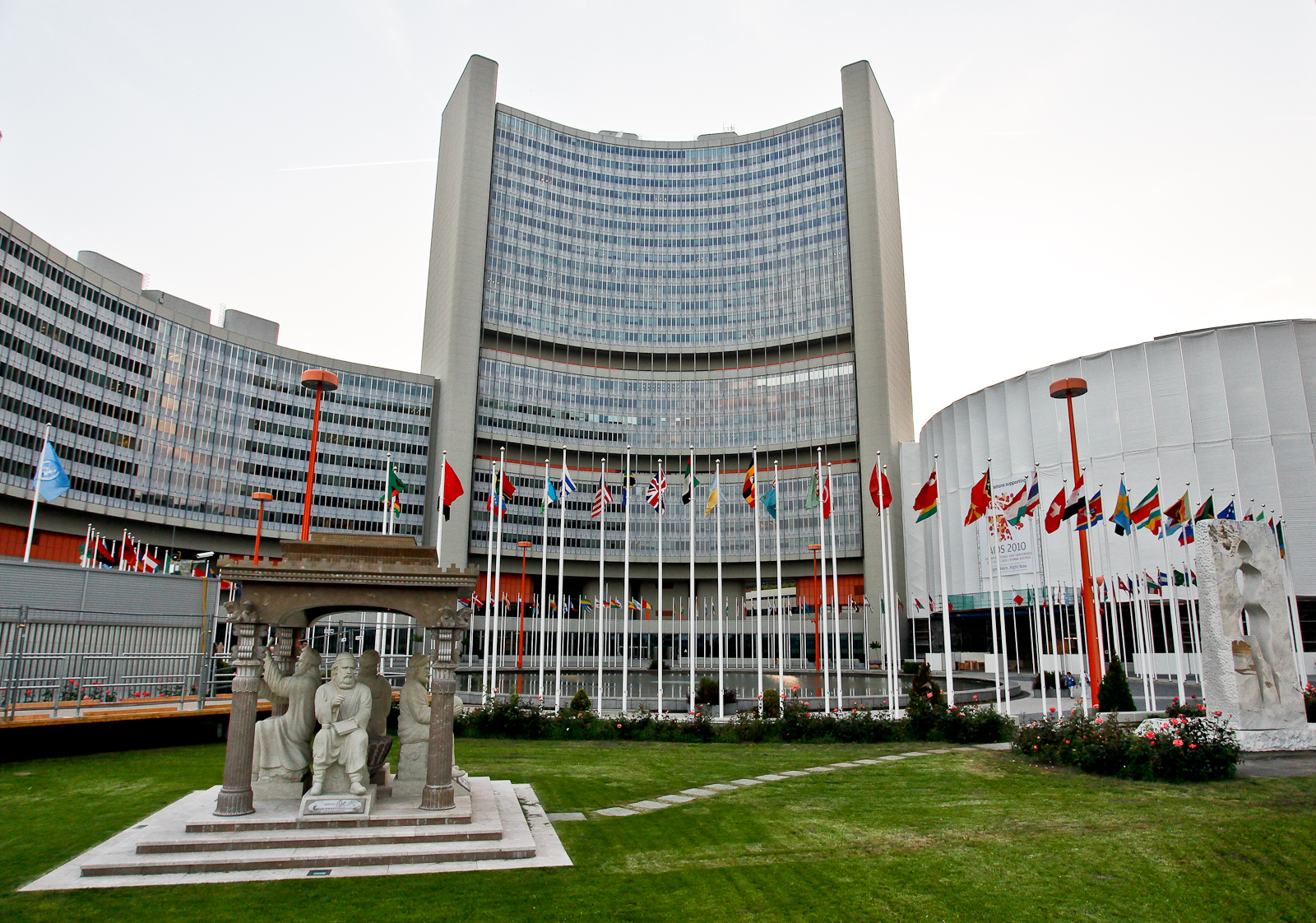
The International Atomic Energy Agency has suspended one of its most senior Russian officials — but for reasons largely unrelated to the questions ab...
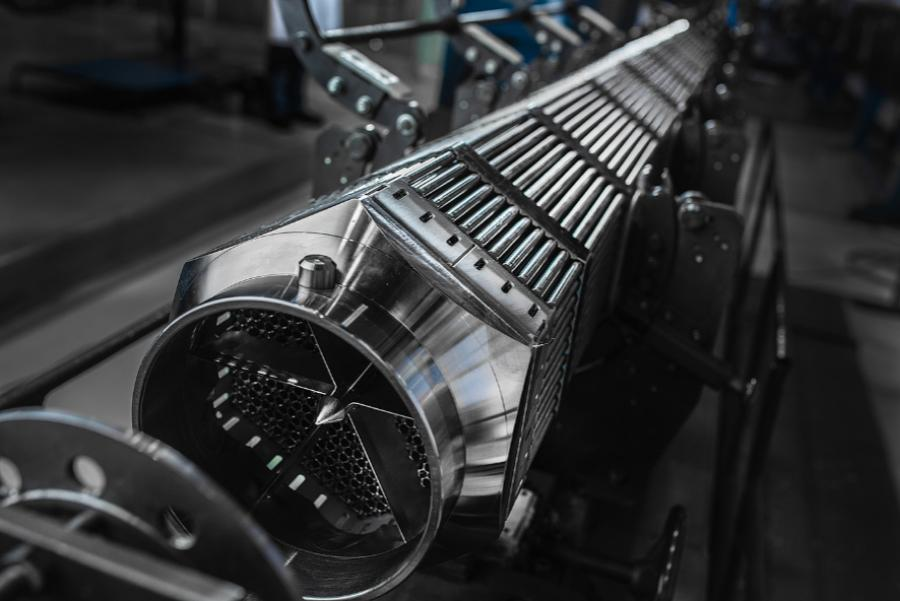
Europe’s effort to break its dependence on Russian nuclear fuel has a paradox in Germany: making Russian-designed fuel without buying it from Russia ...
Nearly four and a half years after Russia’s full-scale invasion of Ukraine, July offered fresh evidence of how difficult it remains to disentangle Ru...