
From reactors to shipping: Rosatom tightens its grip on Russian transport
Russia’s state nuclear corporation Rosatom has taken full control of one of the country’s largest logistics companies, consolidating an expanding tra...
News
Publish date: February 4, 2026
Written by: Sunniva Furset
Translated by: Charles Digges
News
Bellona has launched the Oslofjord Kelp Park, a pilot kelp cultivation facility outside Slemmestad, about 30 kilometers southwest of Oslo, aimed at restoring environmental conditions in the heavily stressed Oslofjord.
“We are going to show how we can use nature’s solutions to fix nature’s problems. Great values have been lost here, and the hope is to bring life back to our fjord,” says Bellona chair Frederic Hauge.
Kelp forests serve as natural habitats for fish and other marine life. By cultivating kelp on submerged ropes, the project will absorb excess nutrients, bind carbon, and create new living areas for marine species, using nature-based methods to help rejuvenate the fjord.
The initiative comes after several years of planning and builds on more than a decade of marine restoration and kelp cultivation experience through Ocean Forest, a collaboration between Bellona and seafood company Lerøy. The project is being carried out in cooperation with partners from research, industry, and public administration, including NIVA, VEAS, the City of Oslo’s Agency for Urban Environment, and Asker municipality. The facility is scheduled to begin operations in autumn 2026.
The project is designed as a demonstration and learning facility for low-trophic aquaculture and ecosystem restoration.
“There is a need for concrete measures that can help the Oslofjord ecosystem. By establishing a pilot kelp facility, we can test how natural methods can help clean the water and create better conditions in the fjord,” says project manager and senior bioeconomy advisor at Bellona, Alexander Ugland.
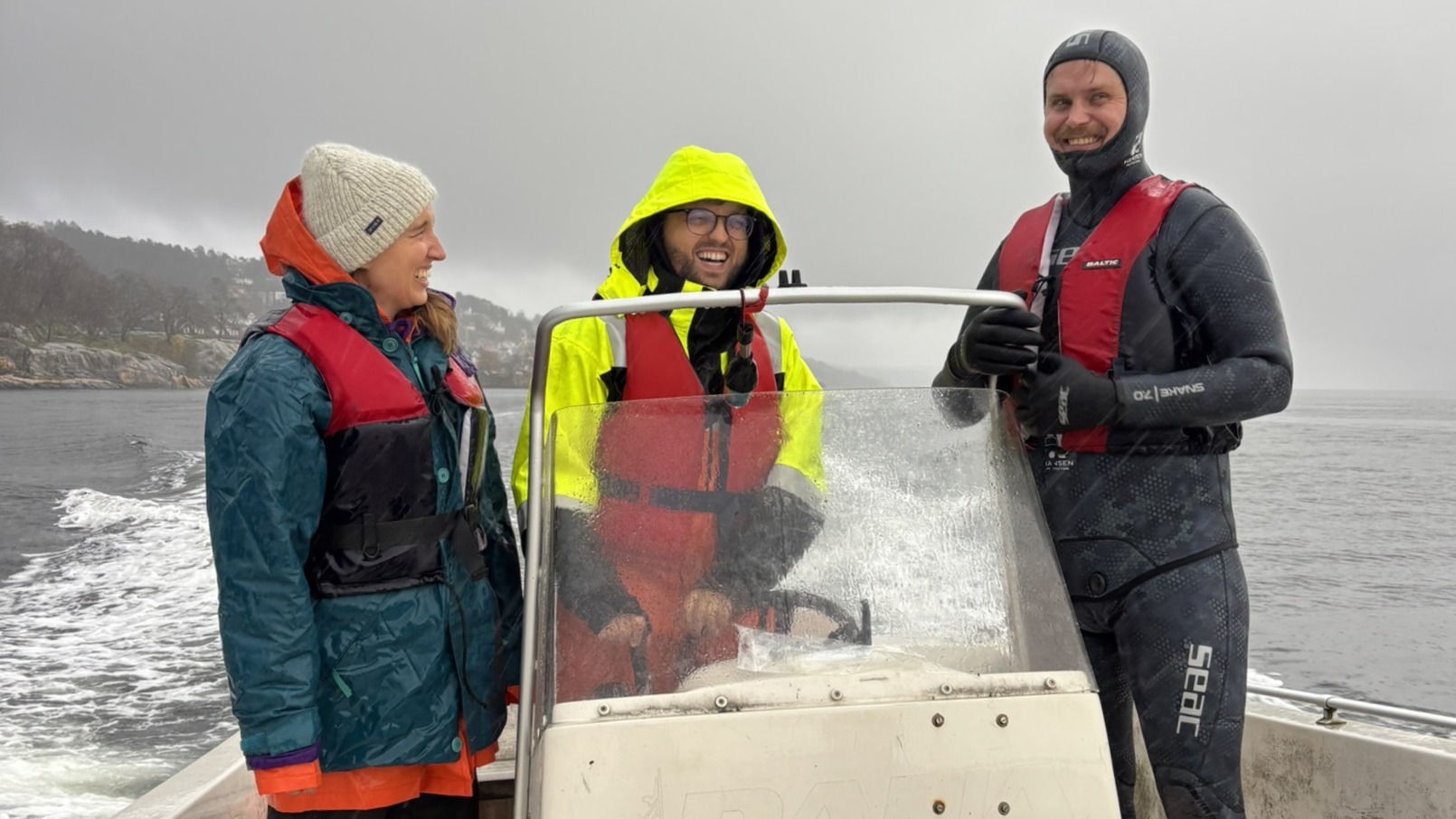
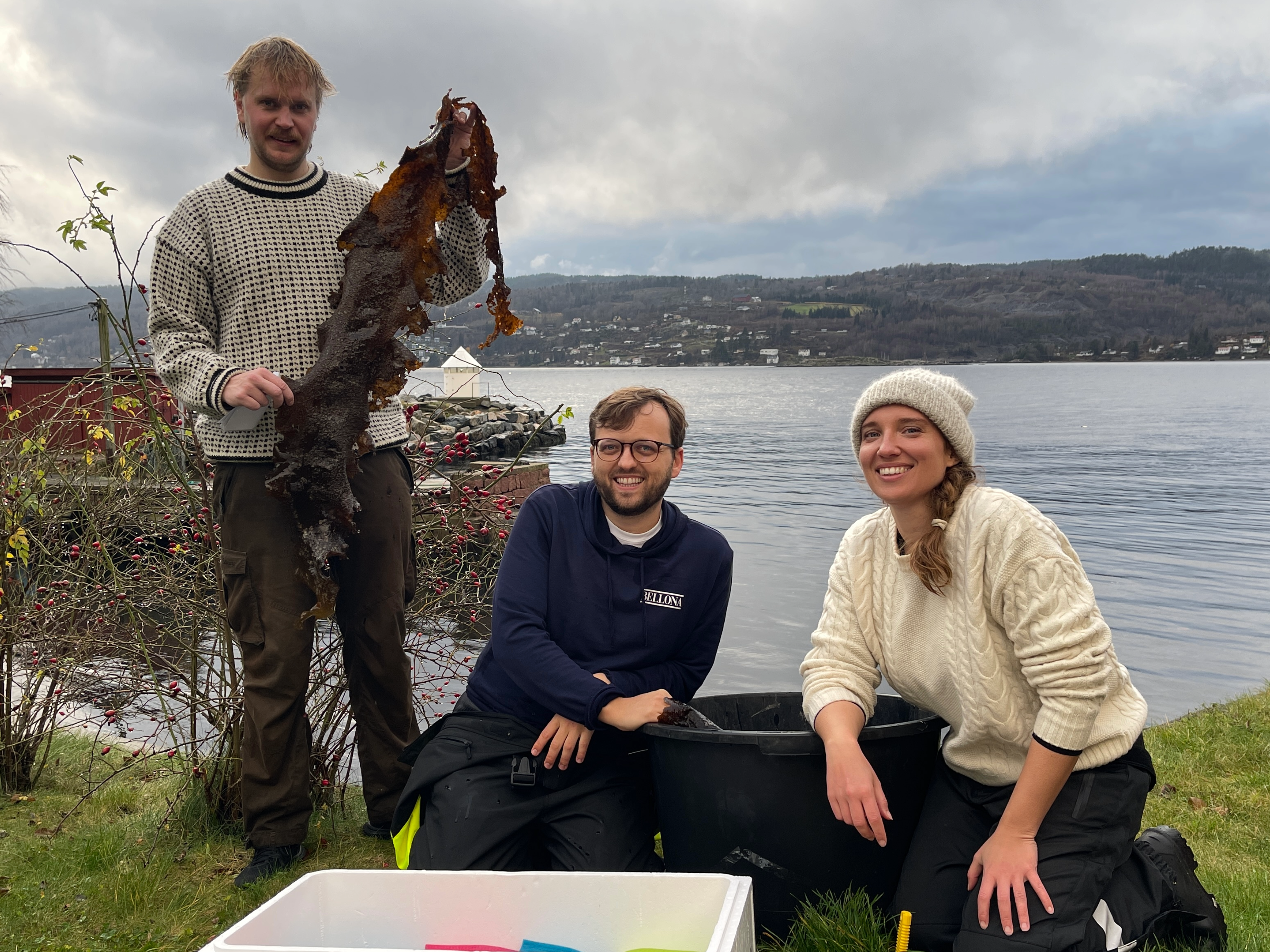
Fieldwork milestones were reached this past autumn, when Bellona’s marine biology team collected locally adapted “mother plants” of sugar kelp in the nearby Drøbaksundet. These were sent to Lerøy’s hatchery outside Bergen, where spores are now being cultivated on ropes for later deployment at the Slemmestad/Vollen site. Using local genetic material helps ensure the kelp is suited to fjord conditions.
“Kelp forests are among the most important ecosystems on the planet,” says Bellona marine biologist Jessica Hough. “The entire plant functions as a habitat for other species.”
Kelp cultivation also acts as a natural treatment system by absorbing nitrogen and phosphorus from the water. While the pilot facility alone will not solve all the fjord’s challenges, Bellona says it is a necessary step toward scaling up nature-based measures.
“Kelp is living biomass with great potential. It binds carbon, absorbs nutrients, and can become an important resource in the green transition,” Ugland says. “We have to start somewhere to show that kelp can be part of the solution.”
Harvested kelp from the project is planned to be used in biogas production combined with carbon capture and storage (Bio-CCS) at the VEAS wastewater treatment facility in Asker, which handles wastewater from much of the Oslo region.
“The Oslofjord Kelp Park is a very exciting and relevant collaboration for VEAS,” says CEO Kjetil Wang-Hansen. “It contributes to cleaning the fjord while exploring how biological resources can deliver additional environmental and climate benefits. That aligns closely with our own goals and shows the value of cross-sector cooperation.”
Lerøy also highlights the long-term industrial potential.
“Kelp cultivation is part of the future of the seafood industry and a strategic focus area for Lerøy,” says CEO Henning Beltestad. “We aim to develop the world’s most efficient and sustainable seafood value chain, with greater diversity and a lower footprint. That is why we are proud to be part of the Oslofjord Kelp Park.”
Bellona has also held public meetings to build local engagement around the project and fjord restoration more broadly.
“The Oslofjord is sick, and if we are going to restore it, we must bring life back and work with nature,” says Oslo’s City Commissioner for Environment and Transport, Marit Vea. “The kelp park is an important measure in itself and can also serve as a starting point for further nature-based restoration projects.”
If the pilot proves successful, Bellona and its partners plan to expand with additional kelp parks in the fjord.
“The goal is to document results on water quality, biodiversity, carbon capture, and local value creation,” says Ugland. “That could open the door to a new green industry in the Oslofjord.”
Russia’s state nuclear corporation Rosatom has taken full control of one of the country’s largest logistics companies, consolidating an expanding tra...

August brought signs of growing pressure on several fronts for Russia’s state nuclear corporation Rosatom, from questions surrounding major construct...
The International Atomic Energy Agency has suspended one of its most senior Russian officials — but for reasons largely unrelated to the questions ab...

Europe’s effort to break its dependence on Russian nuclear fuel has a paradox in Germany: making Russian-designed fuel without buying it from Russia ...