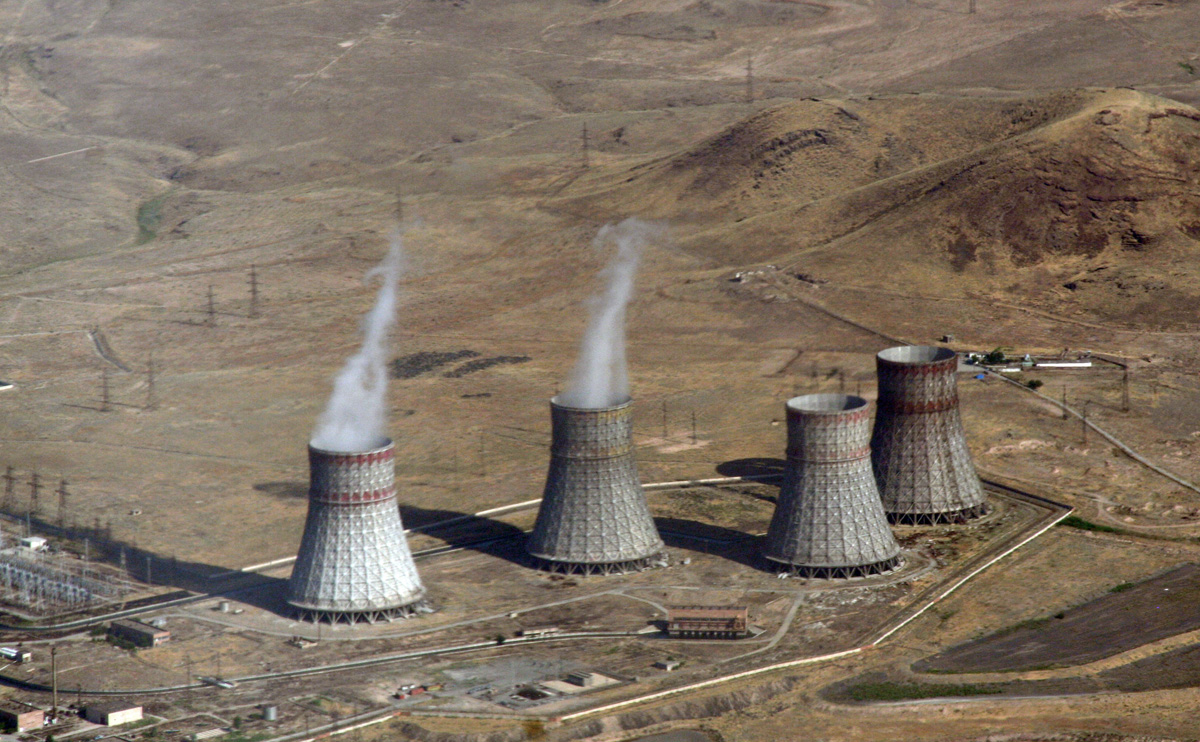
Armenia reconsiders nuclear future as Rosatom offers replacement for aging Soviet reactor
Armenia is reconsidering its plans for a new nuclear power plant after a fresh proposal from Russia’s state nuclear corporation Rosatom and a s...
News

Publish date: March 5, 2026
News
The following op-ed by Eivind Berstad, Bellona’s CCS team leader, originally appeared in Teknisk Ukbladet.
When the European Free Trade Association Court establishes that the Norwegian continental shelf falls under the EEA Agreement, it challenges one of the main arguments Norwegian authorities have used to keep the EU’s new industrial regulations at arm’s length.
At the heart of the case is the EU’s regulation on manufacturing net-zero technologies, known as the Net Zero Industry Act (NZIA). The regulation aims to make Europe more self-sufficient in clean technologies — from renewable energy and batteries to carbon capture and storage.
The goal is to streamline permitting processes, mobilize investment, and build a competitive green industry in Europe.
In the broader picture, the NZIA has been well received by both industry and EU member states. Norwegian authorities also support its overall ambition. But one provision has generated significant resistance: the requirement that oil and gas producers contribute to developing so-called CO₂ injection capacity for storage.
If Europe is to succeed with CCS, someone must develop CO₂ storage sites. The EU believes that responsibility lies with oil and gas producers. The NZIA therefore assigns producers a role in investing in the necessary CO₂ storage capacity.
Until now, the disagreement has centered on whether the Norwegian continental shelf is covered by the EEA Agreement. A key argument from Norwegian authorities has been that the continental shelf falls outside the geographic scope of the agreement.
Bellona has argued the opposite for more than 15 years in cases related to offshore safety and CO₂ storage and welcomes the fact that the EFTA Court reached the same conclusion.
With the court now establishing that the continental shelf is covered by the EEA Agreement, it becomes difficult to argue that regulations on CO₂ storage do not apply. Bellona believes the consequence of the ruling is that Norway must incorporate the entire NZIA into Norwegian law, including the requirement to develop storage capacity.
That would not only be a legal clarification, but also an industrial policy decision with significant ripple effects.
Norway has unique geological conditions for storing CO₂, and several companies are already developing storage projects. Being covered by the NZIA could give Norwegian companies the same competitive conditions as the rest of the European market. At the same time, Norwegian industry would gain greater certainty that domestic storage capacity will exist when its own emissions must be managed.
The potential is considerable — and crucial for Norway. Carbon capture and storage could reduce Norwegian emissions by 11 million tonnes of CO₂ annually, roughly one-fifth of the country’s total greenhouse gas emissions.
Licenses have already been granted that could enable the storage of more than 25 million tonnes of CO₂ per year by 2030. In other words, the ambition to establish CO₂ storage as a new industry on the Norwegian continental shelf is already in place. What remains behind are the national framework conditions for CO₂ capture and the requirements needed to ensure that storage capacity is actually developed.
Here, incorporating the NZIA could act as a catalyst. The regulation would impose clear requirements but also provide predictability and speed in the development process. The EFTA Court’s ruling may therefore prove to be the push needed to accelerate an effort that has long been necessary.
At the same time, the final word has not yet been spoken. Norway’s Supreme Court will still consider the case, and several legal processes related to the NZIA are ongoing in Europe. If the Supreme Court were to disregard the EFTA Court’s opinion—which it itself requested—it could trigger a serious crisis in Norway’s relationship with the EU.
Bellona believes Energy Minister Terje Aasland must accept that the continental shelf is part of the EEA Agreement. Time is running short as 2030 approaches. If companies are to build the storage capacity that now appears increasingly likely to be required, clarity is urgently needed.
The question is no longer whether Norway must relate to the EU’s CO₂ storage requirements—but how and how quickly.
Armenia is reconsidering its plans for a new nuclear power plant after a fresh proposal from Russia’s state nuclear corporation Rosatom and a s...

Russia’s state nuclear corporation Rosatom has taken full control of one of the country’s largest logistics companies, consolidating an expanding tra...
August brought signs of growing pressure on several fronts for Russia’s state nuclear corporation Rosatom, from questions surrounding major construct...
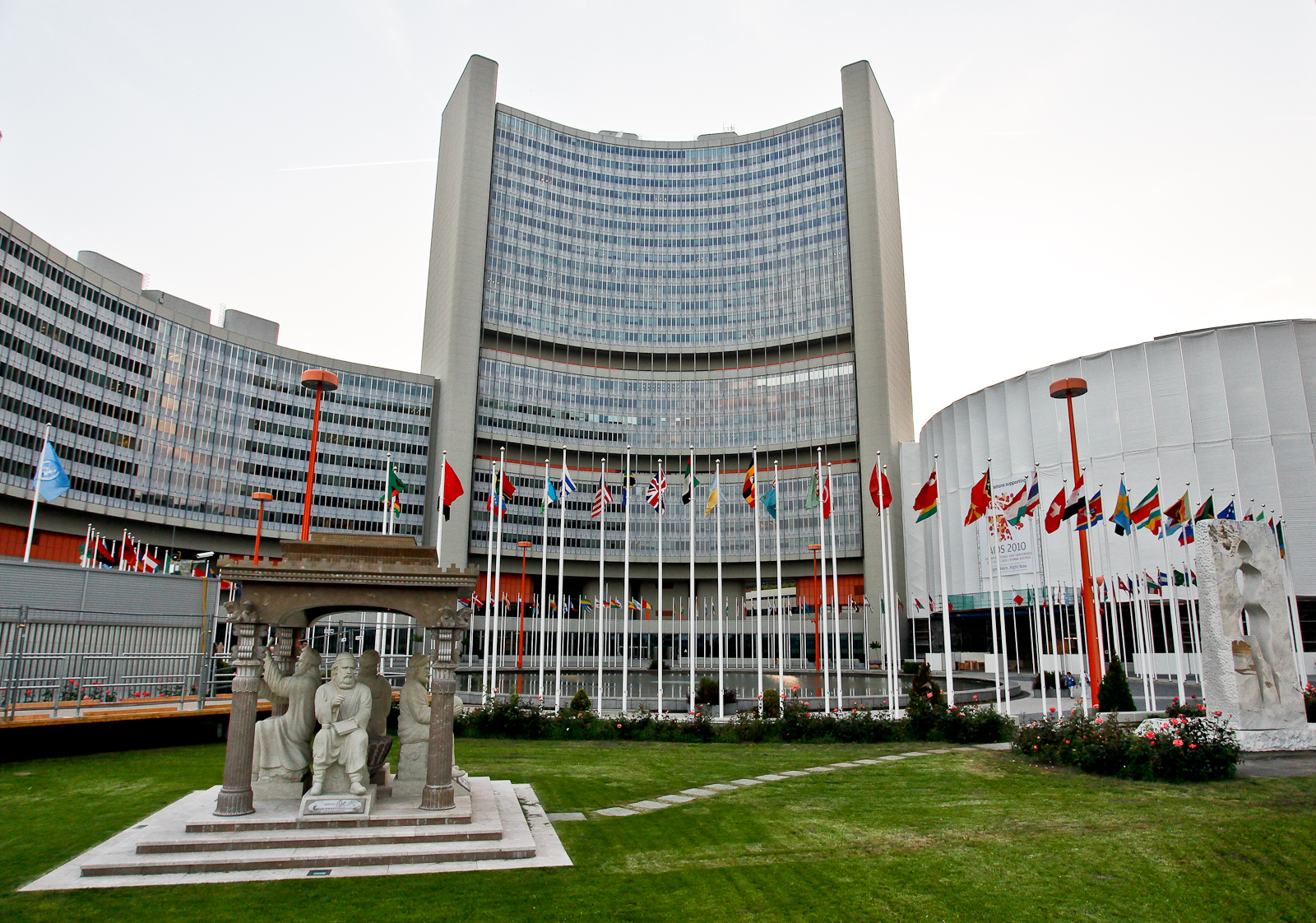
The International Atomic Energy Agency has suspended one of its most senior Russian officials — but for reasons largely unrelated to the questions ab...