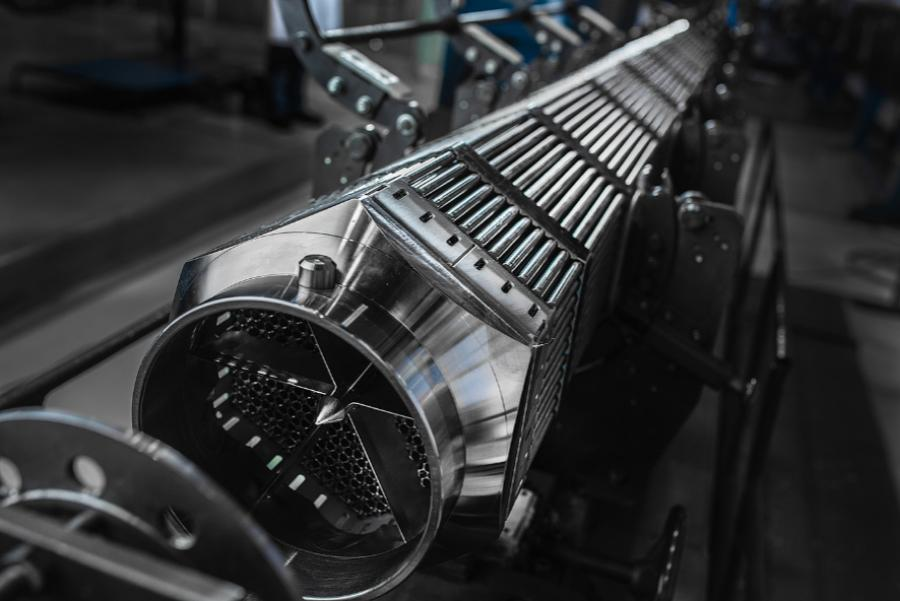
Germany wants independence from Russian nuclear fuel, using Rosatom as a bridge
Europe’s effort to break its dependence on Russian nuclear fuel has a paradox in Germany: making Russian-designed fuel without buying it from Russia ...
News
Publish date: November 16, 2004
News
On October 21, the head of Federal Agency on marine and river transport Vyacheslav Ruksha told journalists that it is time to start construction of new nuclear icebreakers, otherwise all the existing nuclear icebreakers would exceed their lifetime and could be taken out of operation by 2015. The price tag of the modern nuclear icebreaker today is from $250m to $300m, RBC reported.
According to Ruksha, the development of the new atomic icebreakers design is to start already in 2005.The end of construction could be expected in 2011. The state budget has earmarked about $1.7m for the design development next year. Some Russian companies operating in the Arctic like Norilsk Nickel and Gazprom could be offered to share the bill for the new icebreakers construction. At the same time the lifetime of some nuclear icebreakers could be extended, for example, the lifetime of Arctika icebreaker may be prolonged up to 175 thousand hours, ITAR-TASS reported.
All the nuclear-powered icebreakers (except Lenin) were built at the Baltiysky shipyard in St Petersburg from 1974 till 1992. Two icebreakers Taimyr and Vaygach were constructed at the Finnish shipyard Wartsila. Five nuclear icebreakers are currently in operation. The construction of nuclear icebreaker 50 years of Victory, which started 11 years ago, should be completed soon, RBC reported.
Europe’s effort to break its dependence on Russian nuclear fuel has a paradox in Germany: making Russian-designed fuel without buying it from Russia ...
Nearly four and a half years after Russia’s full-scale invasion of Ukraine, July offered fresh evidence of how difficult it remains to disentangle Ru...
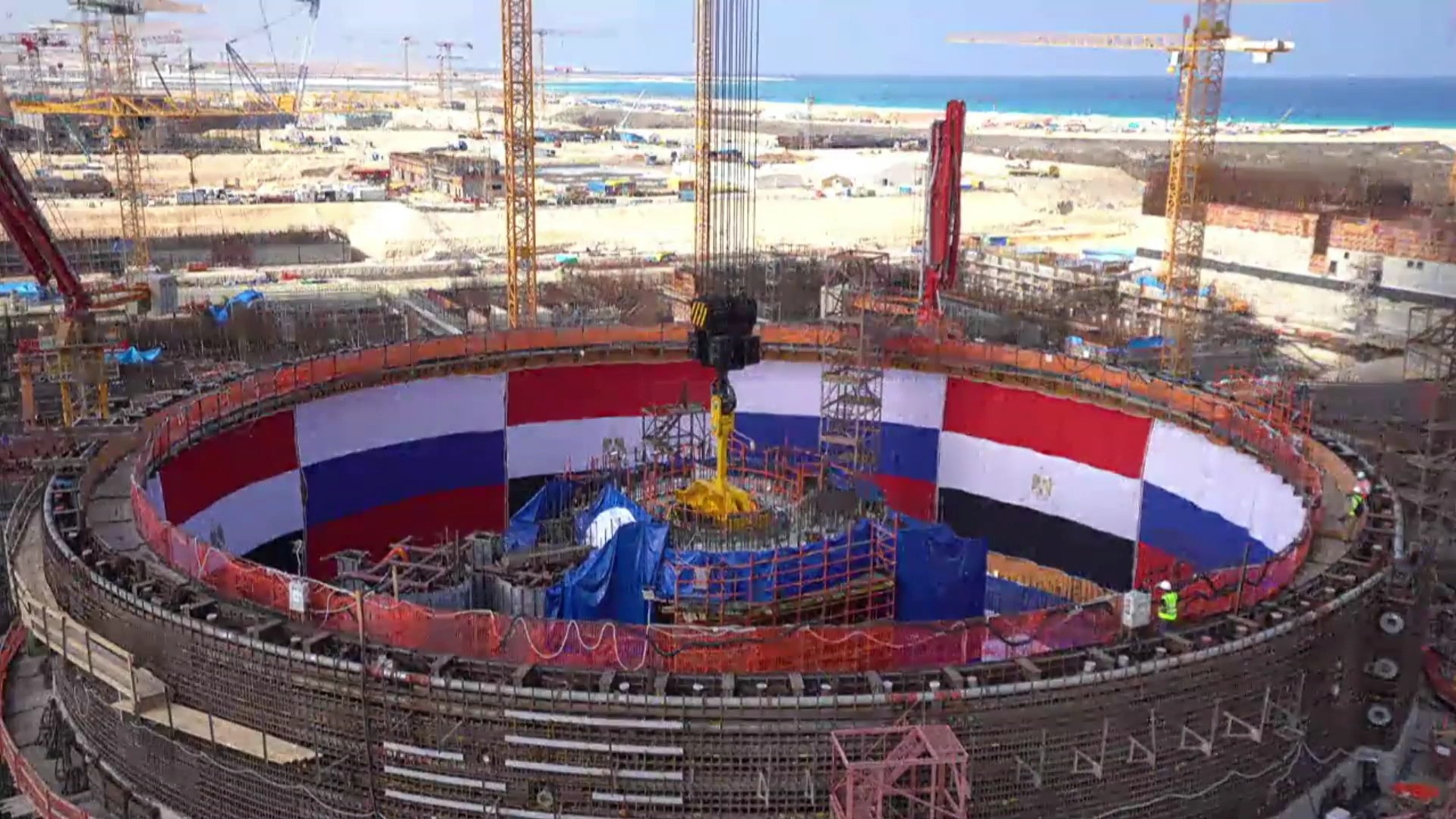
Just days after Egyptian nuclear authorities reportedly accused Rosatom of construction defects, poor management and vi...
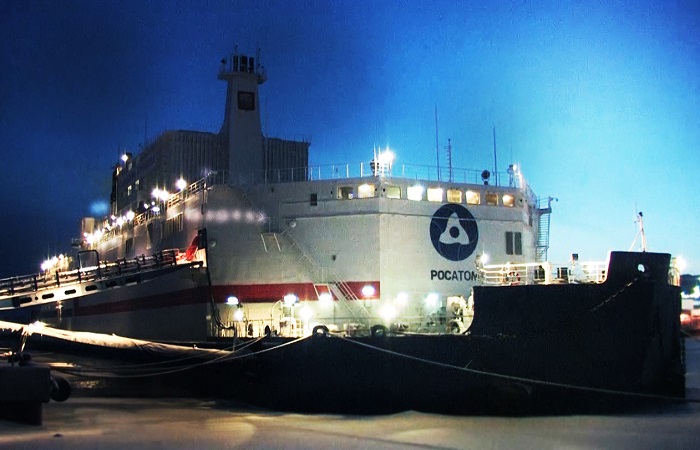
For years, the Akademik Lomonosov looked like one of the nuclear industry’s more eccentric experiments: two reactors mounted on a barge and tow...