IAEA suspends senior Russian official — but not over the questions surrounding his Rosatom ties
The International Atomic Energy Agency has suspended one of its most senior Russian officials — but for reasons largely unrelated to the questions ab...
News
Publish date: June 15, 2026
News
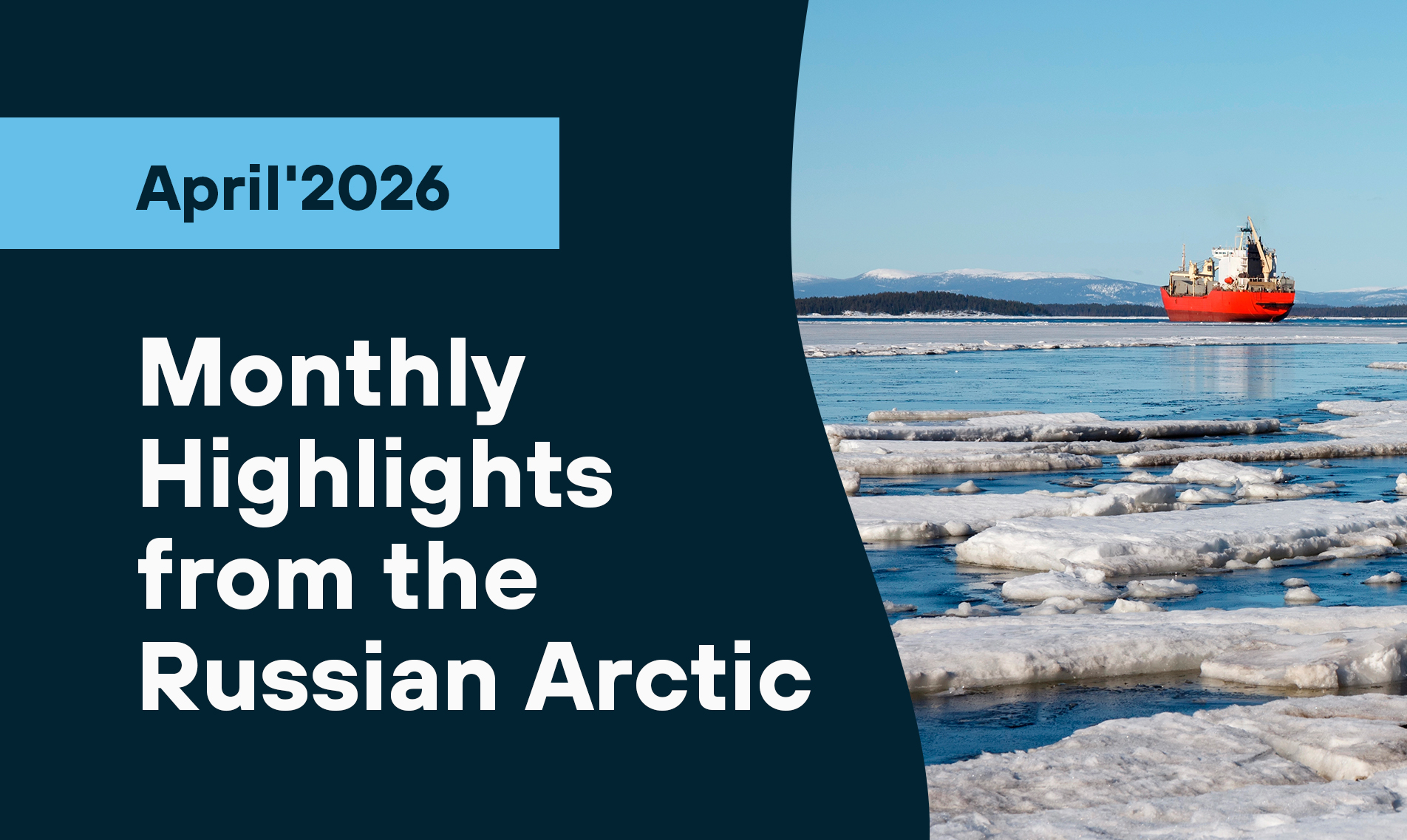
As the European Union tightens sanctions on Moscow, Russia’s Arctic energy exports continue to find buyers—and increasingly rely on opaque and potentially dangerous shipping practices. New developments highlighted in Bellona’s April Arctic Digest show that Russian liquefied natural gas exports to Europe actually increased in early 2026, while vessels transporting Arctic oil have been linked to fraudulent insurance documents and increasingly evasive tactics aimed at avoiding oversight.
Together, the trends illustrate a growing contradiction. Europe is trying to wean itself from Russian fossil fuels, but the transition remains slow. In the meantime, the expanding “shadow fleet” used to move Arctic oil and gas is introducing new environmental and maritime safety risks into one of the world’s most fragile regions.
In April, the EU adopted its twentieth sanctions package against Russia, introducing new restrictions aimed at Arctic oil and LNG exports. Among the measures were bans on servicing Russian LNG carriers, sanctions on the port of Murmansk, and an expansion of the list of sanctioned vessels. Beginning in 2027, EU LNG terminals will no longer be allowed to provide services to Russian companies.
Yet despite mounting sanctions pressure, Russian LNG exports are still growing.
According to Reuters, Russia exported 11.4 million tons of LNG during the first four months of 2026, an increase of 8.6 percent compared with the same period in 2025. Exports to Europe rose even faster. Data compiled by the environmental group Urgewald showed that EU countries imported 91 cargoes of LNG from the Yamal LNG project between January and April, totaling 6.69 million tons—17.2 percent more than during the same period a year earlier. Belgium’s Zeebrugge terminal remained the leading destination.
Bellona analysts say the sanctions are beginning to bite, but much more slowly than many had hoped.
“The previously introduced ban on imports of Russian LNG into Europe did not have a substantial impact on LNG import volumes in April,” Bellona noted in its commentary. “The ban on purchasing LNG under short-term contracts entered into force on April 25 and is likely to produce any noticeable effect only closer to the end of the year.”
Longer-term prospects are more challenging for Moscow. Analysts at the Centre for High North Logistics concluded that once the European market closes entirely in 2027, redirecting exports to Asia will require a major overhaul of Russia’s Arctic logistics system. Existing shipping capacity would be able to support barely half the number of voyages currently needed.
For now, however, Europe’s effort to disentangle itself from Russian gas remains incomplete.
As sanctions tighten, Russia’s shadow fleet is becoming increasingly opaque.
Bloomberg reported in April, citing Ukrainian intelligence, that several tankers carrying Russian oil were sailing under insurance certificates issued by a company called Seaguard P&I. But investigators discovered that the company appeared to exist only on paper. Its supposed address in Pinneberg, Germany, turned out to be an ordinary residential building, and no corporate registration records could be found.
One of the vessels carrying such documentation was the tanker Paz, which loaded Arctic oil in Murmansk in March. Another vessel, Deyna, was detained by French authorities while transporting Russian oil from Murmansk. Ukrainian intelligence says at least five additional vessels obtained similarly questionable insurance certificates.
The implications extend beyond sanctions evasion.
“The observed increase in the number of shadow fleet tankers operating along the Northern Sea Route represents the primary risk factor for oil spills in the harsh Arctic environment,” Bellona warned.
Many of the vessels involved are aging tankers purchased secondhand and transferred to obscure ownership structures. Should an accident occur, uncertainty over insurance coverage could complicate cleanup efforts and compensation claims.
Another pair of developments highlighted by Bellona point to the increasingly uneasy security environment surrounding Arctic shipping.
In April, the 23-year-old tanker Apple, operating under the flag of Equatorial Guinea and already sanctioned by the United States, European Union and United Kingdom, made an unusual approach to Murmansk. Instead of entering waters where Norwegian authorities might exercise oversight, the vessel made a wide detour roughly 200 nautical miles offshore, bypassing Norway’s exclusive economic zone and avoiding inspection. Attempts by Norway’s Vessel Traffic Service in Vardø to establish contact failed.
“They were unable to make contact,” Arve Dimmen of the Norwegian Coastal Administration told the Barents Observer. As a result, Norwegian authorities were unable to obtain information normally required under pollution reporting systems.
At the same time, Norwegian authorities reported increasing interference with GPS and satellite navigation signals near the Russian border and over the Barents Sea. Measurements detected jamming and spoofing at unusually low altitudes, with preliminary analysis indicating Russia as the source.
“Everyone who uses GPS must be able to trust the information they receive,” warned Stein Kristian Hansen of the Finnmark Police District. “Manipulating these signals is unacceptable.”
Taken together, these developments suggest that sanctions alone are unlikely to bring about a rapid decline in Russia’s Arctic exports. Instead, they are producing a sprawling parallel maritime system—one characterized by aging ships, obscure insurers, evasive navigation and growing environmental risks.
For Europe, the challenge is becoming increasingly clear: reducing dependence on Russian energy may be proceeding more slowly than expected, but the risks associated with allowing those flows to continue are rising just as rapidly.
The International Atomic Energy Agency has suspended one of its most senior Russian officials — but for reasons largely unrelated to the questions ab...
Europe’s effort to break its dependence on Russian nuclear fuel has a paradox in Germany: making Russian-designed fuel without buying it from Russia ...
Nearly four and a half years after Russia’s full-scale invasion of Ukraine, July offered fresh evidence of how difficult it remains to disentangle Ru...
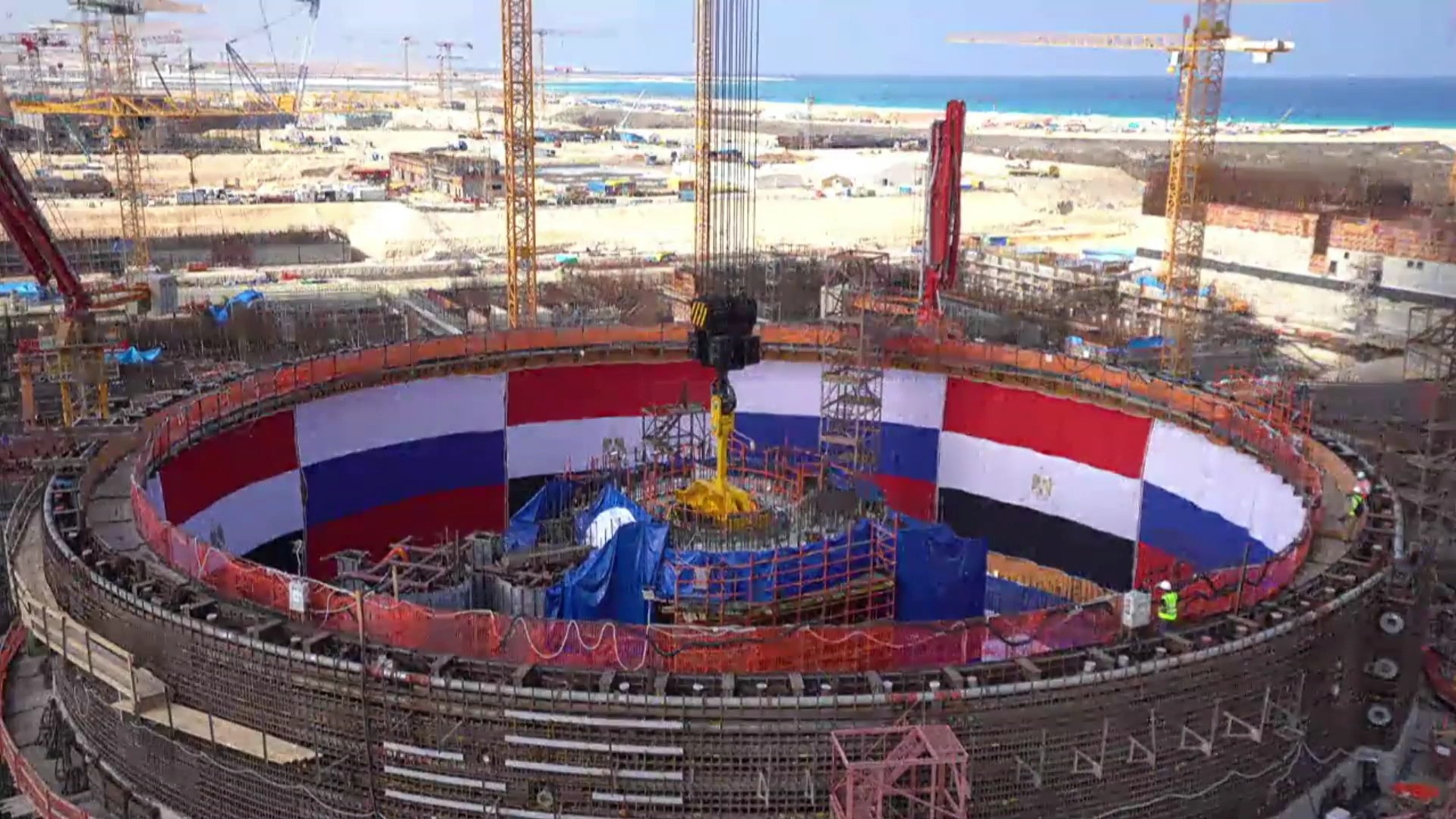
Just days after Egyptian nuclear authorities reportedly accused Rosatom of construction defects, poor management and vi...