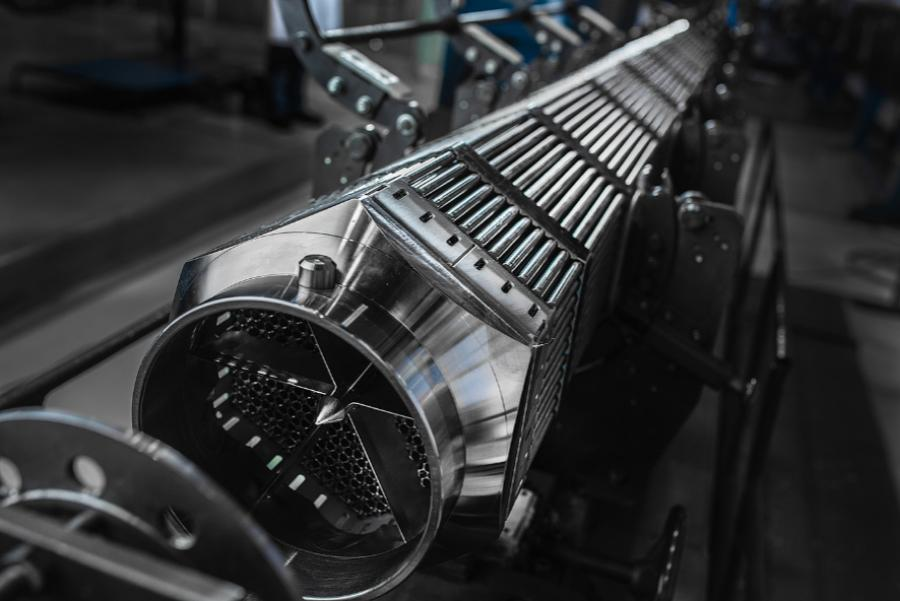
Germany wants independence from Russian nuclear fuel, using Rosatom as a bridge
Europe’s effort to break its dependence on Russian nuclear fuel has a paradox in Germany: making Russian-designed fuel without buying it from Russia ...
News

Publish date: September 13, 2007
Written by: Charles Digges
News
Under the terms of the deal, Russia is not to sell the uranium to any third party countries, especially Iran, for whom Moscow is building a $1 billion light-water reactor.
Russian commentators have said the deal will indeed boost supplies in Russia to meet what one official said was a demand for 5,000 tons annually for its own domestic use, and a total of 15,000 tons for export.
Initially hailed as a strengthening of Russia’s burgeoning nuclear industry by Russian media, however, Vladimir Milov, the president of Russia’s Institute of Energy Politics said the deal is a clear sign of Russia’s failures within its nuclear sector to meet its needs, and in the end, put Russia’s nuclear industry at the mercy of western countries and western aligned industrial concerns.
Russia can’t meet its own needs
According to Milov, Russia produces only three tons of uranium from native supplies annually. This, wrote Milov in Gazata.ru, is due to Russia’s incapacity to develop mining techniques.
But Milov noted in his commentary that “in the conditions of such serious dependence on uranium imports for the development of of atomic energy to reduce the demand on gas, of which Russia has the most serous reserves, looks a little more than strange.”
The deal with Australia, said Milov, is an apparent attempt by Russia to hedge Moscow’s bets on imports from its primary source, the uranium-rich Kazakhstan.
Kazakh sources could go west
In Milov’s analysis, a drop in Kazakh uranium fuel for Russia is in the cards, he wrote in Gazeta.ru. Because of a 10 percent sell off this year of Kazakhstan’s primary exporter Kazatomprom to US reactor-buildig giant Westinghouse, Kazatomprom will be producing more fuel for western style reactors in use in western Europe, Asia as well as the United States.
“We are therefore forced to go with outstretched hands for uranium deliveries from Australia, which is, by the way, a military ally of the United States,”wrote Milov.
“All of these events are forming an obvious chain.”
Europe’s effort to break its dependence on Russian nuclear fuel has a paradox in Germany: making Russian-designed fuel without buying it from Russia ...
Nearly four and a half years after Russia’s full-scale invasion of Ukraine, July offered fresh evidence of how difficult it remains to disentangle Ru...
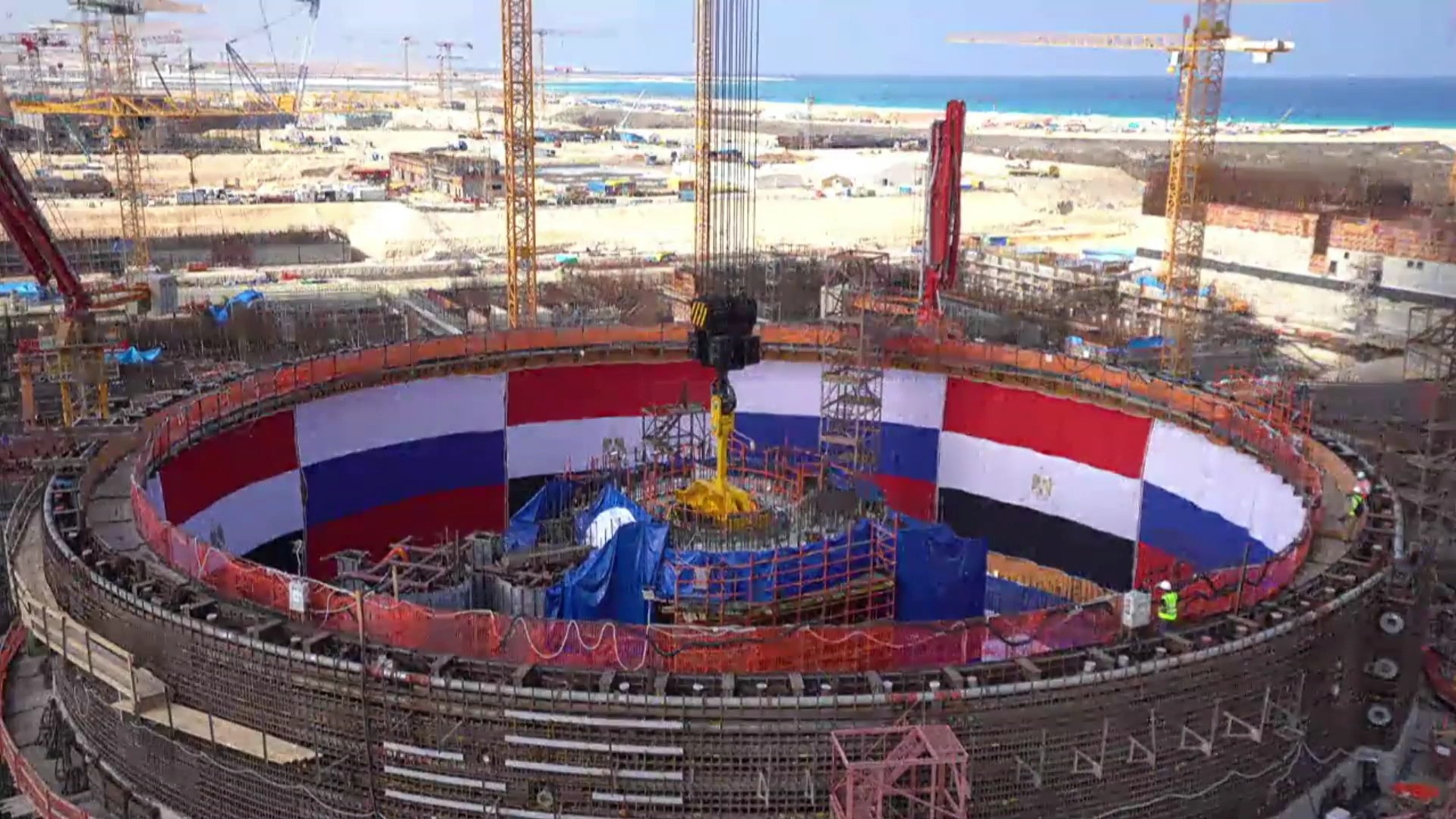
Just days after Egyptian nuclear authorities reportedly accused Rosatom of construction defects, poor management and vi...
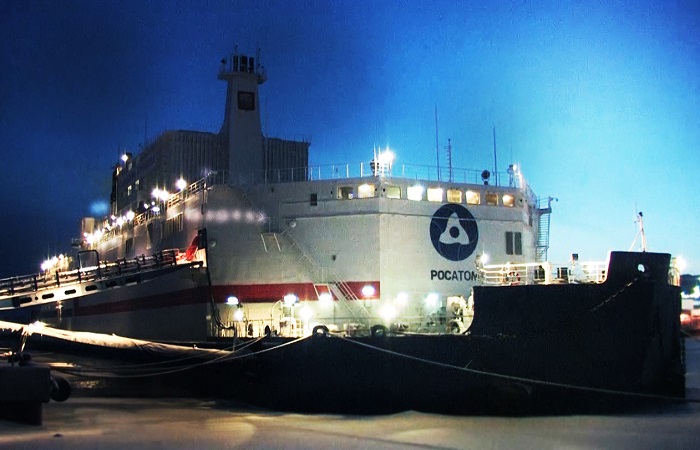
For years, the Akademik Lomonosov looked like one of the nuclear industry’s more eccentric experiments: two reactors mounted on a barge and tow...