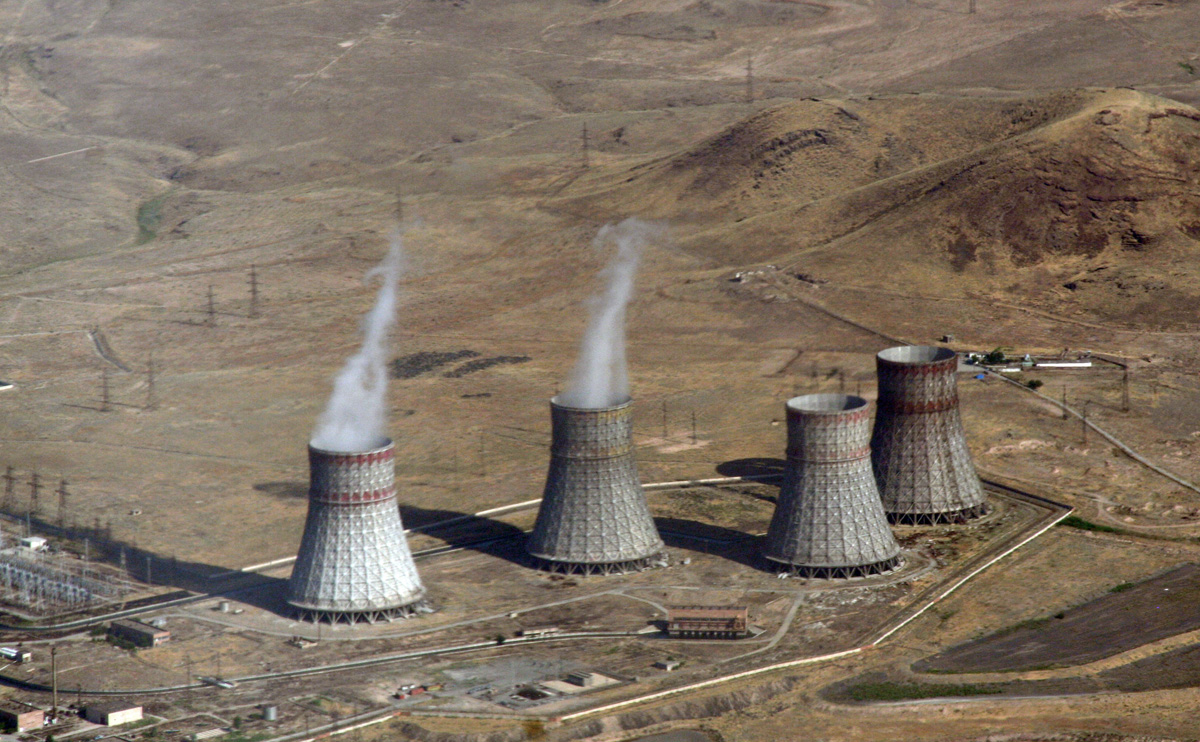
Armenia reconsiders nuclear future as Rosatom offers replacement for aging Soviet reactor
Armenia is reconsidering its plans for a new nuclear power plant after a fresh proposal from Russia’s state nuclear corporation Rosatom and a s...
News

Publish date: January 10, 2009
News
Europe has no "up-welling" area like that found in South America. The rich fishing in our waters is attributed to a wide continental shelf providing good growing conditions for fish.
Several species are used for the production of fish meal and oil. In industrial trawler fishing, it is mainly Norway pout (Trisopteirus esmarkii), small sandeel (Ammodytes spp.) and blue whiting (Micromesistius poutassou), in addition to capelin (Mallotus vollosus) and European sprat (Sprattus sprattus), that go for grinding.To a lesser degree this also includes herring (Clupes harengus), mackerel (Scomber scombrus) and horse mackerel (Trachurus trachurus) in the production of fish meal and oil.
Denmark is Europe’s largest producer of fish meal and fish oil, with 287,000 and 107,000 tonnes, respectively in 2006. Denmark exports most of its production to nations with large fish farming operations such as Norway. By European standards Norway and Iceland are also major producers of fish meal and oil.
Norway produced 170,000 tonnes of fish meal and 40,000 tonnes of fish oil in 2006. Because of the steadily growing fish farming industry our need for meal and oil is much larger than what we manage to produce ourselves. Norway is a net importer of both fish meal and oil, with most coming from the large fisheries off the west coast of South America. Based on the production, export and import of fish meal and oil in Norway we can estimate the amount of fish meal and oil used in Norway in 2006. The bulk of this is used in the production of fish feed for salmon and rainbow trout farming. Based on these estimates, Norway’s need for fish meal was 381,000 tonnes, oil 228,000 tonnes in 2006.
Lesser sandeel and small sandeel (tobis) – Ammodytes marinus & A. tobianus
 Photo: Source: FAO Fishstat
Armenia is reconsidering its plans for a new nuclear power plant after a fresh proposal from Russia’s state nuclear corporation Rosatom and a s...

Russia’s state nuclear corporation Rosatom has taken full control of one of the country’s largest logistics companies, consolidating an expanding tra...
August brought signs of growing pressure on several fronts for Russia’s state nuclear corporation Rosatom, from questions surrounding major construct...
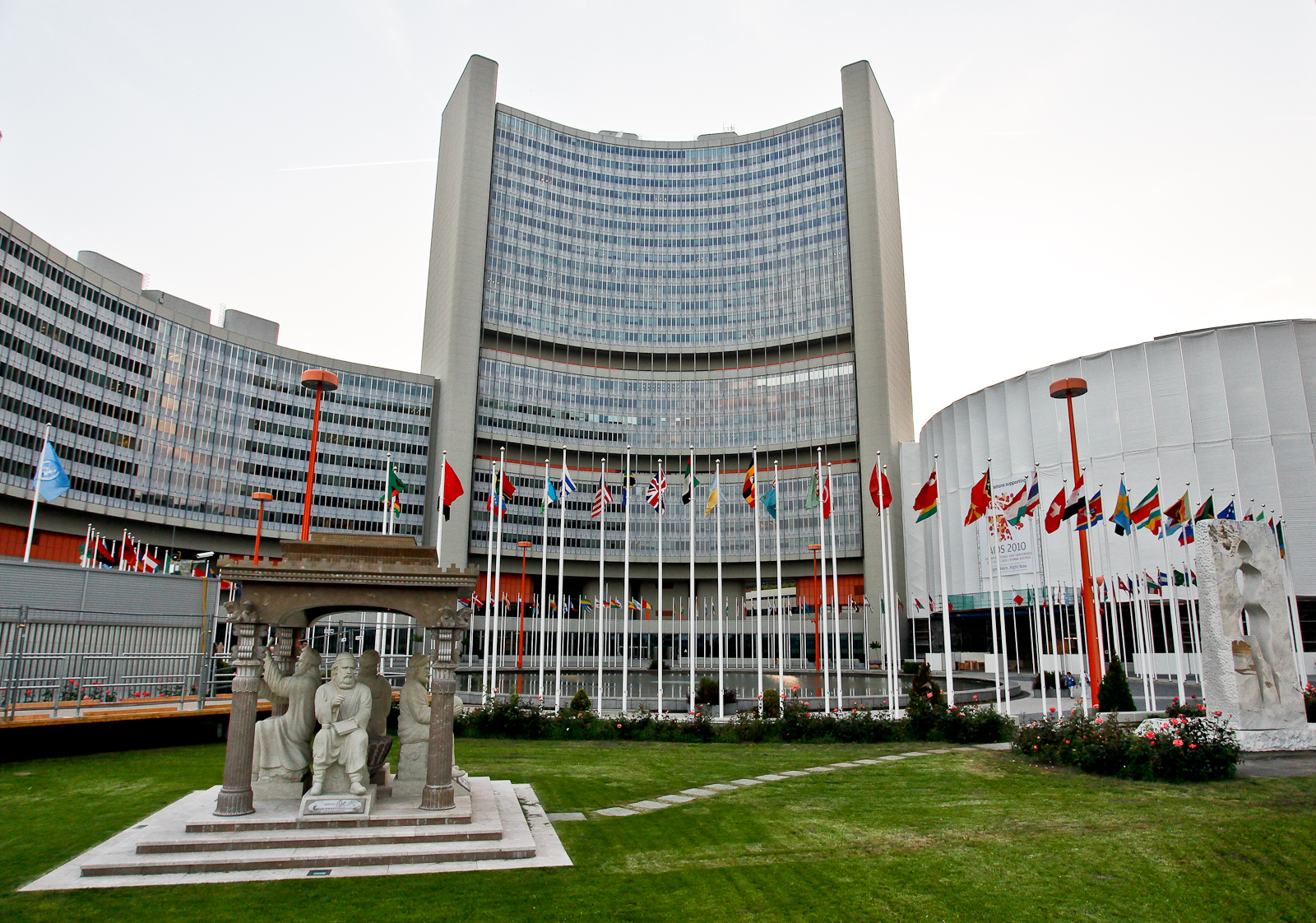
The International Atomic Energy Agency has suspended one of its most senior Russian officials — but for reasons largely unrelated to the questions ab...