Ukraine Pushes Ahead, the West Sends Mixed Signals, and China Draws Closer: Rosatom’s Uneasy Month
Even as the war grinds on, Ukraine continues to expand its civilian nuclear ambitions. Britain has tightened sanctions on Russia’s nuclear sect...
News
Publish date: February 6, 2003
News
This is largely due to a sharp increase in the cost of transporting and reprocessing spent nuclear fuel following a change in the billing policy of Mayak Chemical Combine. Starting from January 1, 1991, Mayak Chemical Combine required full coverage of its expenses.
An overview of the number of special transport trains from 1984 to 2000 is given in the table below:
| 1984: | 10 special trains | 586 containers |
| 1985: | 9 special trains | 503 containers |
| 1986: | 3 special trains | 155 containers |
| 1987: | 7 special trains | 386 containers |
| 1988: | 6 special trains | 329 containers |
| 1989: | 7 special trains | 426 containers |
| 1990: | 4 special trains | 235 containers |
| 1991: | 3 special trains | 216 containers |
| 1992: | 3 special trains | 216 containers |
| 1993: | 4 special trains | 280 containers |
| 1994: | 1 special train | 12 type TK-18 containers |
| 1995: | 4 special trains | 48 type TK-18 containers |
| 1995: | 4 special trains | 48 type TK-18 containers |
| 1996: | 4 special trains | 48 type TK-18 containers |
| 1997: | 2 special trains | 24 type TK-18 containers |
| 1998: | 4 special trains | 48 type TK-18 containers |
| 1999: | 5 special trains | 60 type TK-18 containers |
| 2000: | 7 special trains | 84 type TK 18containers |
| An overview of the number of spent nuclear fuel trains | ||
As may be seen from the table, there was an increase of shipments in the year 2000. There are several reasons for this. The second train built by Norway was taken into operation, CTR obtained permission from the United States Congress to fund the shipment of fuel from 15 decommissioned SSBNs, and finally Minatom used a part of the profit from its sales in the USA of highly enriched uranium to fund the transportation of spent fuel to the Mayak reprocessing plant.
As stated earlier, there are 248 reactor cores currently stored in the Northern Fleet. Even seven train shipments correspond only to 17.5 reactor cores. Even if the were to be increased to 10 trains per year, it will still take more than 25 years to transport all of the fuel to Mayak. On the other hand, the reprocessing facility at Mayak does not have the capacity to accept such amounts of spent fuel. In 2000, the reprocessing line at Mayak was operational for only 25% of the 400-ton per year capacity it was designed for. These kinds of reprocessing goals can only be attained by overhauling and upgrading the reprocessing line.
In addition to this comes spent nuclear fuel that Mayak Chemical Combine is unable to accept for reprocessing, including:
Bellona researchers believe that as much as 40% to 50% of the 21,640 spent fuel assemblies stored in Andreeva Bay are damaged and hence cannot be reprocessed at Mayak. This may also be true of the 52 reactor cores stored onboard first generation submarines.
Bellona considers that an alternative option might be to build a intermediate storage facility for spent nuclear fuel at the Kola Peninsula. This option is discussed at length in Chapter 6 ‘Regional storage facilities on Kola’.
Even as the war grinds on, Ukraine continues to expand its civilian nuclear ambitions. Britain has tightened sanctions on Russia’s nuclear sect...

As the European Union tightens sanctions on Moscow, Russia’s Arctic energy exports continue to find buyers—and increasingly rely on opaque and potent...

A fundraising campaign launched by the Bellona Foundation has succeeded in securing the organization’s future and averting bankruptcy. ̶...
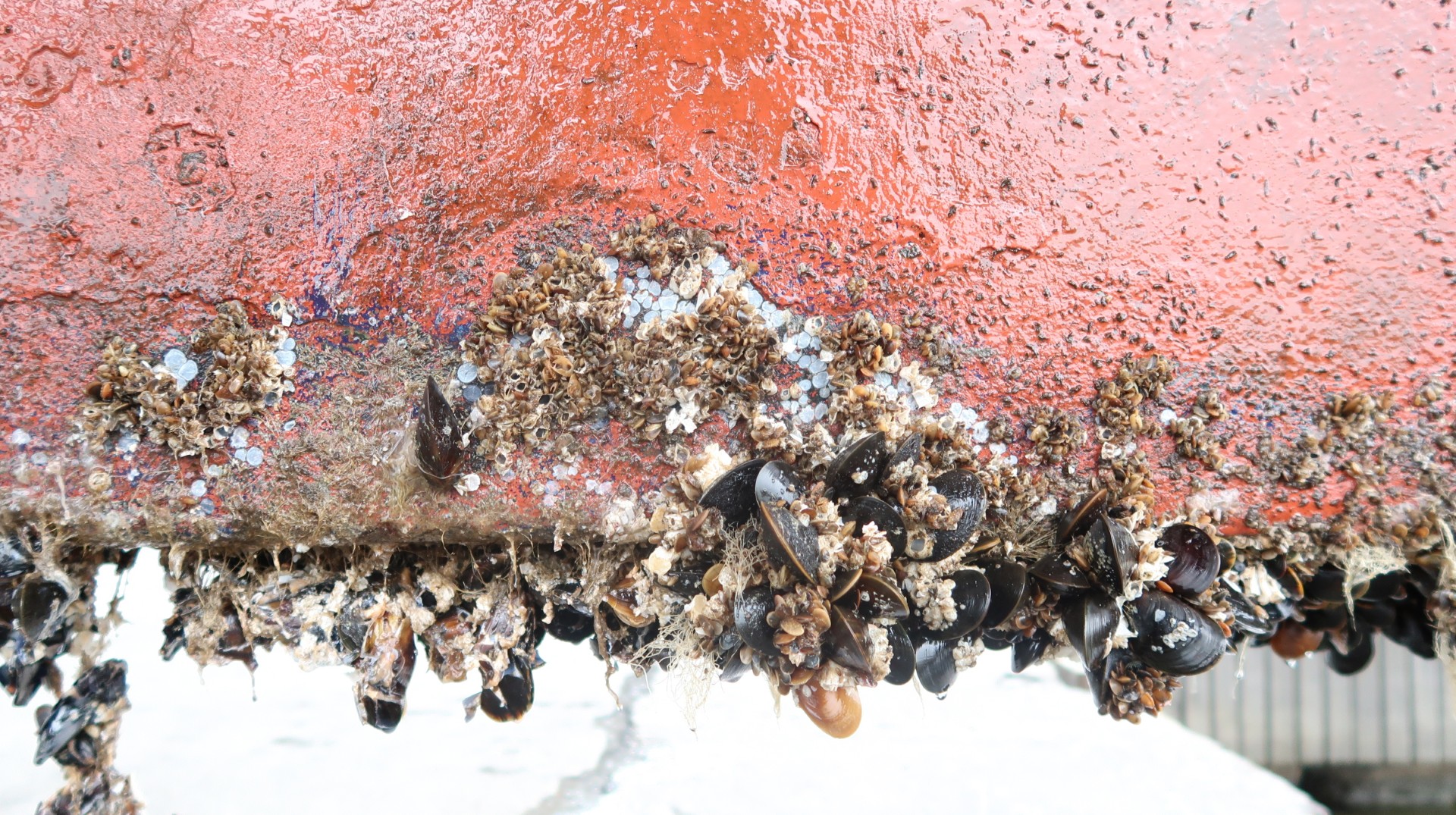
The shipping industry has a harmful secret—hiding just beneath the waterline. Barnacles, algae and microbial slime covering ship hulls may seem like ...