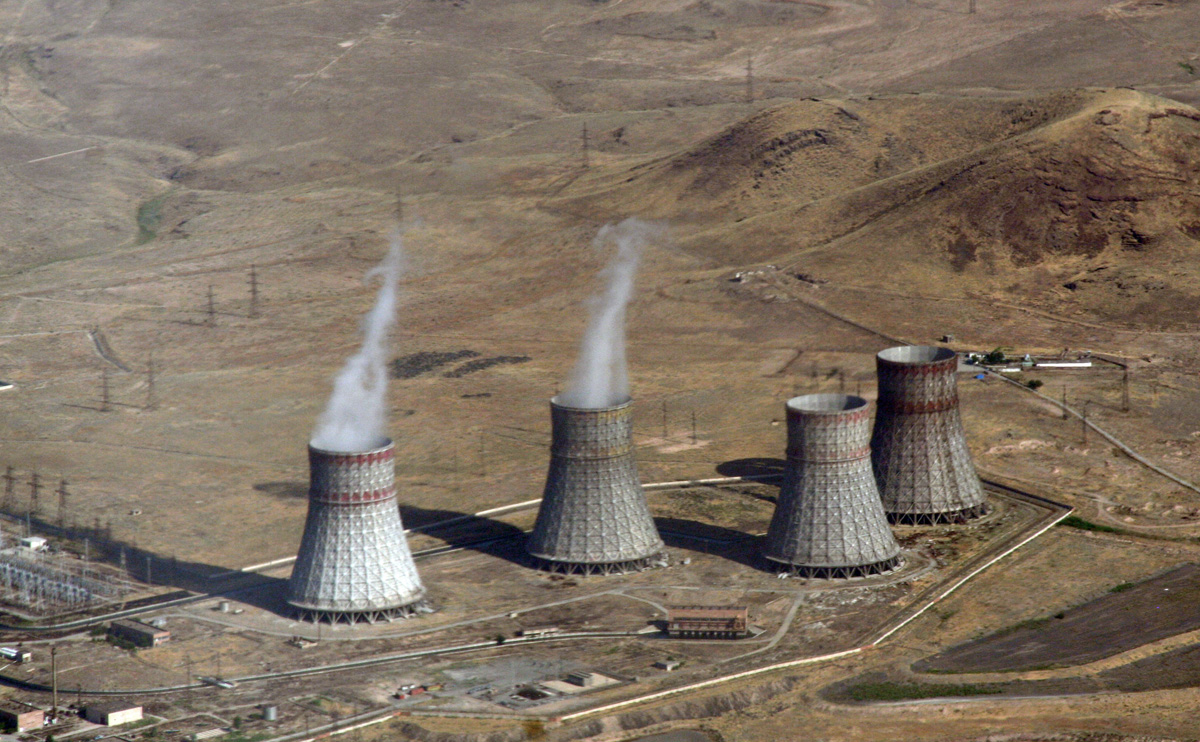
Armenia reconsiders nuclear future as Rosatom offers replacement for aging Soviet reactor
Armenia is reconsidering its plans for a new nuclear power plant after a fresh proposal from Russia’s state nuclear corporation Rosatom and a s...
News
Publish date: February 6, 2003
News
Behind this policy lay the expectation of a uranium shortage in the future. In reprocessing procedures, the spent nuclear fuel assembly is dissolved in an acid solution, and uranium and plutonium is separated from the other elements. This uranium can then be used in the production of new fuel assemblies for RBMK type reactors for nuclear power plants. To that end, a resolution was passed in the middle of the 1960s to build a production facility at the Mayak Chemical Combine for the reprocessing of spent nuclear fuel. This was the beginning of the RT-1 reprocessing facility.
The first technological system for the reprocessing of spent nuclear fuel both from VVER type pressurised water reactors (nuclear power plants) and from naval reactors (nuclear icebreakers and submarines) was started in 1976. Spent fuel assemblies were removed from the reactors and forwarded to the RT-1 reprocessing facility on special railroad cars. In 1973, the first specially modified train from the Northern Fleet consisting of nine cars, ran from Murmansk to Mayak.
Because the storage facilities for spent fuel assemblies located at Andreeva Bay and at Gremikha are not connected to the railway, there were two steps in the process of forwarding spent fuel assemblies from the submarine reactors to the reprocessing facility at Mayak:
Four locations were considered as possible transfer loading points. The location that was finally selected is situated at Sevmorput shipyard not far from Base 92, and is known today as Atomflot.
Armenia is reconsidering its plans for a new nuclear power plant after a fresh proposal from Russia’s state nuclear corporation Rosatom and a s...

Russia’s state nuclear corporation Rosatom has taken full control of one of the country’s largest logistics companies, consolidating an expanding tra...
August brought signs of growing pressure on several fronts for Russia’s state nuclear corporation Rosatom, from questions surrounding major construct...
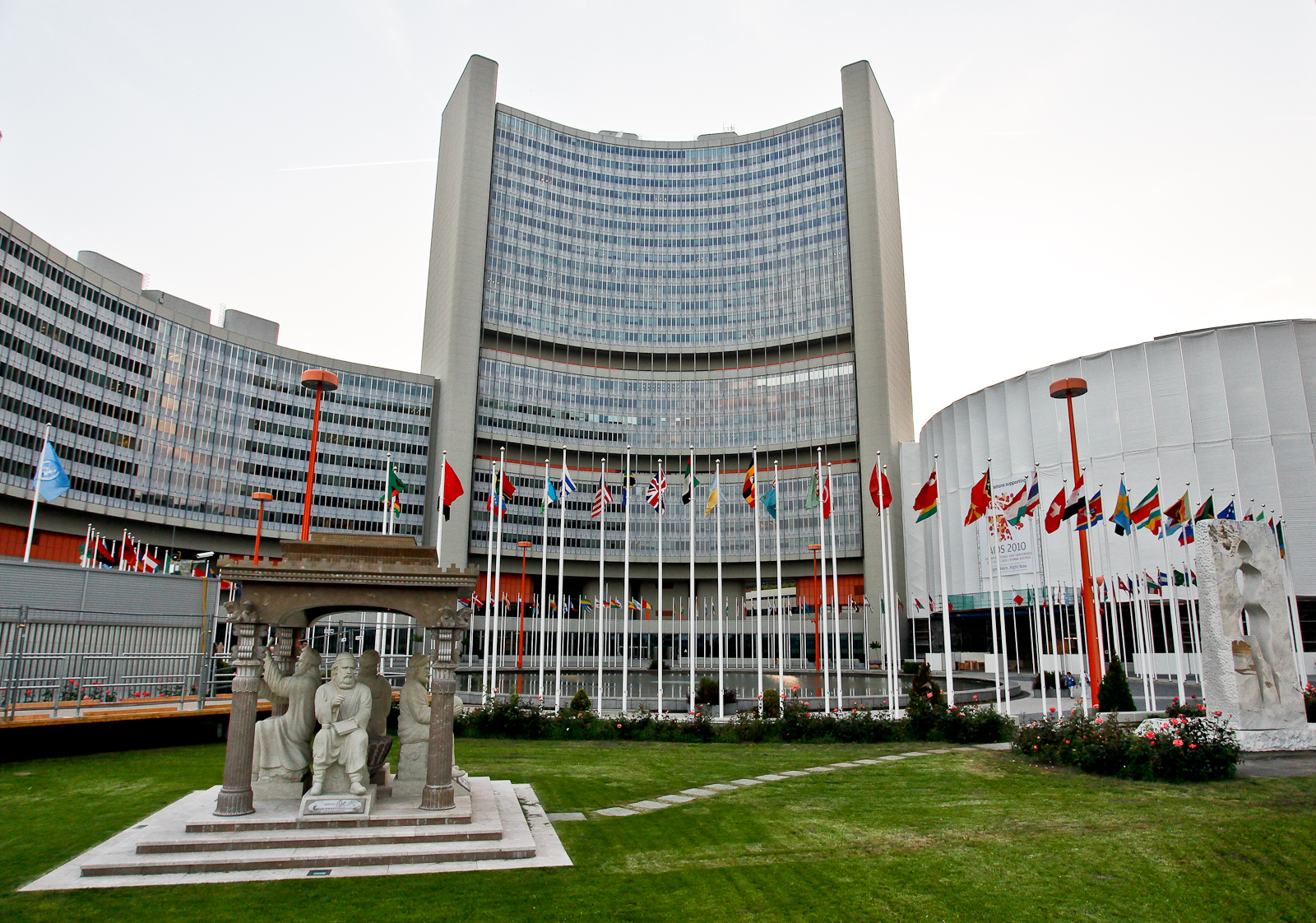
The International Atomic Energy Agency has suspended one of its most senior Russian officials — but for reasons largely unrelated to the questions ab...