Rosatom faces pressure abroad as Zaporizhzhia’s nuclear risks deepen
August brought signs of growing pressure on several fronts for Russia’s state nuclear corporation Rosatom, from questions surrounding major construct...
News

Publish date: October 12, 2026
Written by: Charles Digges
News
Russia’s state nuclear corporation Rosatom has taken full control of one of the country’s largest logistics companies, consolidating an expanding transport empire that now stretches from Arctic icebreakers to Black Sea grain terminals.
The acquisition, announced October 7, gives Rosatom the remaining 51 percent of Delo Group, a major Russian container and freight operator, from its founder Sergei Shishkaryov. Rosatom already owned the other 49 percent.
The takeover is the latest step in Rosatom’s transformation from a nuclear energy corporation into a sprawling state conglomerate with an increasingly important role in Russia’s international trade.
Bellona expert Alexander Nikitin sees a broader political purpose behind the expansion.
“Putin trusts Rosatom,” Nikitin said. “That is why Putin is giving Rosatom access to resources the nuclear corporation could previously only have dreamed of.”
According to Nikitin, the corporation’s rapid growth has become particularly pronounced since Russia launched its full-scale invasion of Ukraine.
The purchase gives Rosatom complete control of Delo’s network of maritime terminals, rail infrastructure and container operations.
According to Reuters, the company operates a container fleet with capacity exceeding 220,000 twenty-foot equivalent units, or TEUs, and approximately 40,000 railway platforms. It also controls the KSK grain terminal at Novorossiysk, one of Russia’s largest grain export facilities, with annual handling capacity of up to 10 million tonnes.
Rosatom already controls another major shipping company, FESCO, which operates maritime and rail freight services linking Russia’s Far East with domestic and international markets.
According to Russian business newspaper Vedomosti, Rosatom chief Alexei Likhachev said the corporation’s combined logistics operations now account for approximately 50 percent of Russia’s container-handling market and 44 percent of its rail container transport.
The acquisition followed a prolonged disagreement between Rosatom and Shishkaryov over Delo’s future. Under a shareholder buyout mechanism initiated earlier this year, Rosatom acquired the founder’s stake for a reported 77 billion rubles, approximately $900 million. Interfax reported that Rosatom financed the purchase with borrowed funds.
Nikitin argues that the acquisition belongs to a much larger pattern of concentrating strategically important industries under Rosatom’s control.
The corporation’s influence, he said, now extends across “nuclear and conventional weapons, advanced technologies across the civilian nuclear design and construction industry, mineral resources in the Arctic, including rare earths and precious metals,” as well as logistics infrastructure.
“Rosatom is becoming the managing corporation for Russia’s major port facilities,” Nikitin said, citing Vladivostok, Kaliningrad, Novorossiysk, St. Petersburg and Nakhodka.
For Rosatom, the acquisition is about more than moving containers. Since 2018, the corporation has been responsible for developing the Northern Sea Route, while its nuclear icebreaker fleet provides the infrastructure necessary to keep Arctic shipping lanes navigable.
Moscow has repeatedly promoted the route as a strategic commercial corridor connecting Russian Arctic resources and Asian markets.
But expanding Arctic shipping requires considerably more than icebreakers. It also depends on cargo terminals, railway connections, container services and reliable transport networks linking the Arctic to the rest of Russia.
By combining Delo with FESCO and its existing transport operations, Rosatom is seeking to bring more of that infrastructure under unified management.
In remarks published by Vedomosti, Likhachev described the corporation’s goals as strengthening Russia’s transport sovereignty, maintaining international freight connections and developing both the Northern Sea Route and the broader Trans-Arctic transport corridor.
The corporation also argues that consolidating its logistics businesses will eliminate overlapping investments and could save as much as 100 billion rubles over the next decade.
Whether those savings materialize remains uncertain.
The acquisition does not mean that all these operations will directly serve the Northern Sea Route. Many of Delo’s most important assets lie far from the Arctic. But the consolidation gives Rosatom a much larger role in determining how Russian freight moves between ports, railways and international markets.
The acquisition also illustrates how closely Russia’s largest state corporations are becoming intertwined with the country’s broader strategic priorities.
As Reuters reported, Shishkaryov said he intends to devote a substantial portion of the proceeds from the sale to Russia’s national security needs, although he provided no details about how the money would be used.
For Nikitin, however, Rosatom’s growing power is about more than overcoming commercial obstacles.
“Rosatom is becoming an institution the Kremlin can rely on when necessary,” he said.
Concentrating so many resources under its roof, Nikitin argues, is making Rosatom increasingly important to the country’s political leadership.
“Today, it is impossible to name another Russian company that has expanded so dramatically or accumulated so many resources as Rosatom,” he said. “In every sense, it has become the most trusted asset of Russia’s current leadership.”
August brought signs of growing pressure on several fronts for Russia’s state nuclear corporation Rosatom, from questions surrounding major construct...
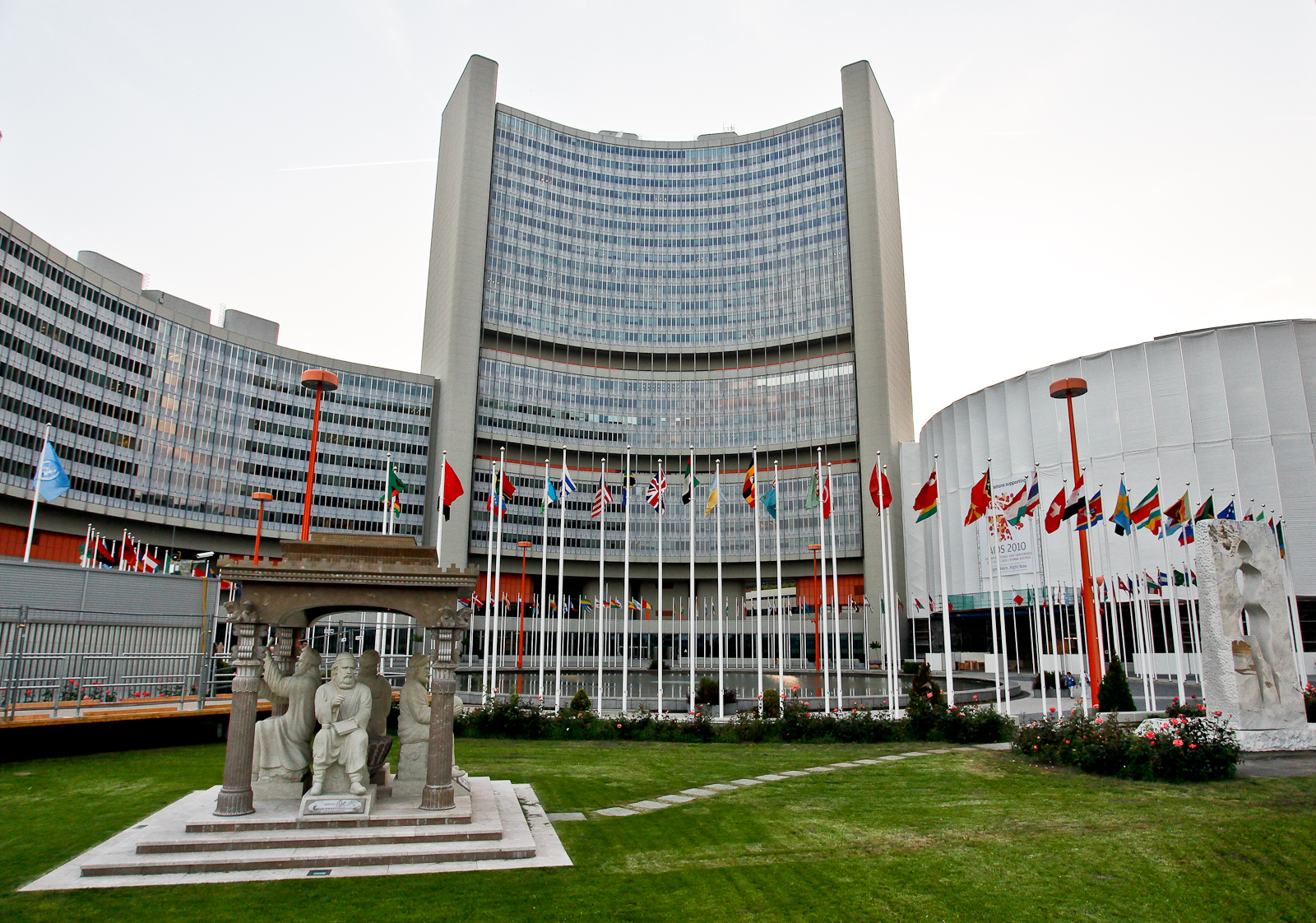
The International Atomic Energy Agency has suspended one of its most senior Russian officials — but for reasons largely unrelated to the questions ab...
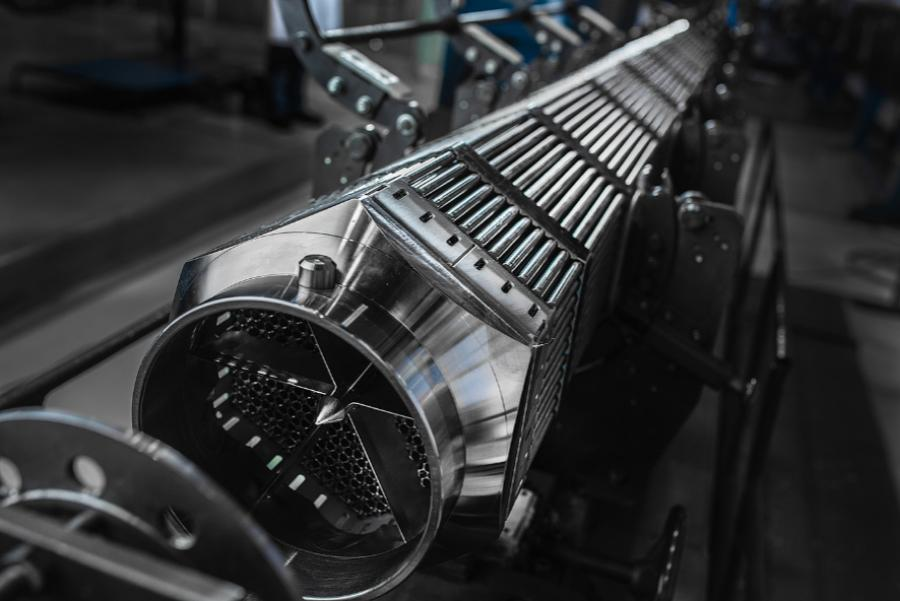
Europe’s effort to break its dependence on Russian nuclear fuel has a paradox in Germany: making Russian-designed fuel without buying it from Russia ...
Nearly four and a half years after Russia’s full-scale invasion of Ukraine, July offered fresh evidence of how difficult it remains to disentangle Ru...