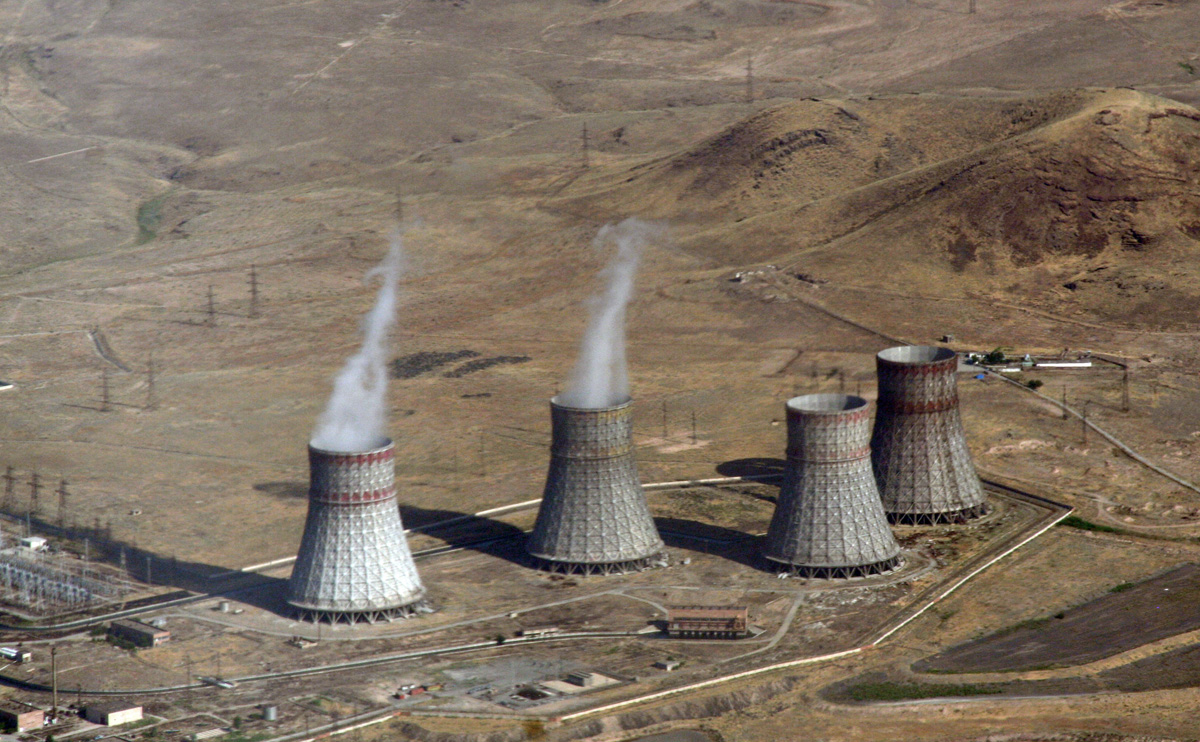
Armenia reconsiders nuclear future as Rosatom offers replacement for aging Soviet reactor
Armenia is reconsidering its plans for a new nuclear power plant after a fresh proposal from Russia’s state nuclear corporation Rosatom and a s...
News
Publish date: October 2, 2026
News
August brought signs of growing pressure on several fronts for Russia’s state nuclear corporation Rosatom, from questions surrounding major construction projects abroad to the first decline in its foreign revenue in a decade.
Meanwhile, at the Russian-occupied Zaporizhzhia nuclear power plant in Ukraine, repeated attacks, losses of external power and difficulties securing diesel fuel underscored the precarious conditions surrounding Europe’s largest nuclear station.
In Hungary, the future of the Russian-built Paks II nuclear power plant has come under renewed scrutiny from the new government of Prime Minister Peter Magyar.
Magyar said in August that experts considered the existing permit for the project untenable and that the government was conducting a comprehensive review that would determine, among other things, whether Rosatom could continue building the plant.
Rosatom chief Alexey Likhachev insisted work was continuing according to plan. But Magyar pointed to the project’s long delays: under the original contract Paks II was supposed to be operating by 2024, while Hungary has already spent around 1 trillion forints (€2.8 billion) on the project. At the same time, Budapest is proposing to more than double its 2026 budget financing for Paks II, suggesting that abandonment of the project is not currently on the table.
Bellona nuclear expert Dmitry Gorchakov argues that the review should extend beyond the project’s finances. Extreme heat and exceptionally low water levels in the Danube forced the existing Paks plant to sharply reduce output this summer, raising questions about the cooling system planned for two additional reactors.
“At the same time, judging by Hungary’s continued financing of the project, a complete abandonment of Paks II does not appear to be under consideration,” Gorchakov said. “Under these circumstances, in addition to the financial questions already raised about the project’s cost, the problems facing the existing Paks plant due to extreme heat and low water levels in the Danube also raise the question of whether the project’s environmental parameters should be reconsidered — in particular, its cooling system.”
The existing plant already imposes a substantial thermal load on the Danube, while Paks II would add another 9.5 GW of thermal capacity. Gorchakov argues that increasingly frequent heat and drought could make the present cooling design difficult to sustain.
Those uncertainties come as Rosatom has acknowledged an unusual reversal in its international business. Its newly released 2025 annual report shows foreign revenue falling 4.1 percent to about $17.2 billion, even as overall revenue rose 7.9 percent to 3.33 trillion rubles. Its lifetime foreign project portfolio nevertheless increased to $206.2 billion.
Gorchakov called the decline significant because it follows 10 consecutive years of growth, with foreign revenue increasing by more than 20 percent annually during the previous five years.
Importantly, the decline does not appear to come from Rosatom’s nuclear fuel business. Bellona estimates that nuclear fuel-cycle deliveries increased substantially to the United States and China, and likewise rose in the European Union.
Instead, Rosatom’s report attributes the decline to lower revenues from nuclear plant construction. Gorchakov says this could partly reflect projects such as Bangladesh’s Rooppur plant and Turkey’s Akkuyu reaching later construction stages, but may also reflect “difficulties and additional costs associated with sanctions pressure, the search for alternative ways to transfer funds abroad, and changing suppliers.”
Egypt illustrates the ambiguity. Leaked documents concerning the Rosatom-built El Dabaa plant reportedly described construction defects, nuclear safety culture problems and a possible 18-month delay to the first reactor. Egyptian authorities disputed the characterization. Yet only days later Cairo and Rosatom began discussing adding two more Russian reactors to the four already under construction. See our article from August for more detail.
The situation at Zaporizhzhia is considerably more immediate. The plant lost its sole remaining external power connection four times during August. After the fourth outage, on August 20, it remained disconnected for roughly three weeks and depended on emergency diesel generators.
That exposed another vulnerability: Russian officials told IAEA inspectors that the last delivery to the plant’s diesel storage facility had occurred in March. A planned May delivery had been prevented by fighting, leaving fuel for approximately 10 days of emergency-generator operation. Operators progressively reduced the number of running generators from seven to four and eventually two, while cooling pumps were operated intermittently to conserve electricity.
The crisis unfolded amid repeated drone incidents around the station and tentative discussion of a possible Russian-Ukrainian energy ceasefire. Bellona nuclear expert Alexander Nikitin sees a larger issue emerging from those developments: ZNPP is no longer simply a civilian nuclear facility endangered by war, but has itself acquired military and political value.
‘Despite the military value of the territory around the Zaporizhzhia nuclear plant, judging by their actions, both sides are trying to prevent the plant from permanently losing its potential energy and political value,” Nikitin writes. “This suggests that ZNPP is viewed not only as a source of nuclear risks, but also as a potential asset in future negotiations.’
That possibility makes preserving the plant important for reasons extending beyond nuclear safety. As Nikitin notes, a destroyed plant has little negotiating value; an intact one retains both political and economic importance.
But the August outages also demonstrate why any future agreement concerning nuclear facilities would have to extend beyond simply prohibiting direct attacks on reactors. Transmission lines, substations and other external infrastructure are essential to keeping a nuclear plant safe.
As Nikitin argues, the war has blurred a boundary nuclear regulation traditionally assumed was clear: a civilian nuclear facility can remain civilian in formal terms while simultaneously becoming an element of military strategy.
Armenia is reconsidering its plans for a new nuclear power plant after a fresh proposal from Russia’s state nuclear corporation Rosatom and a s...

Russia’s state nuclear corporation Rosatom has taken full control of one of the country’s largest logistics companies, consolidating an expanding tra...
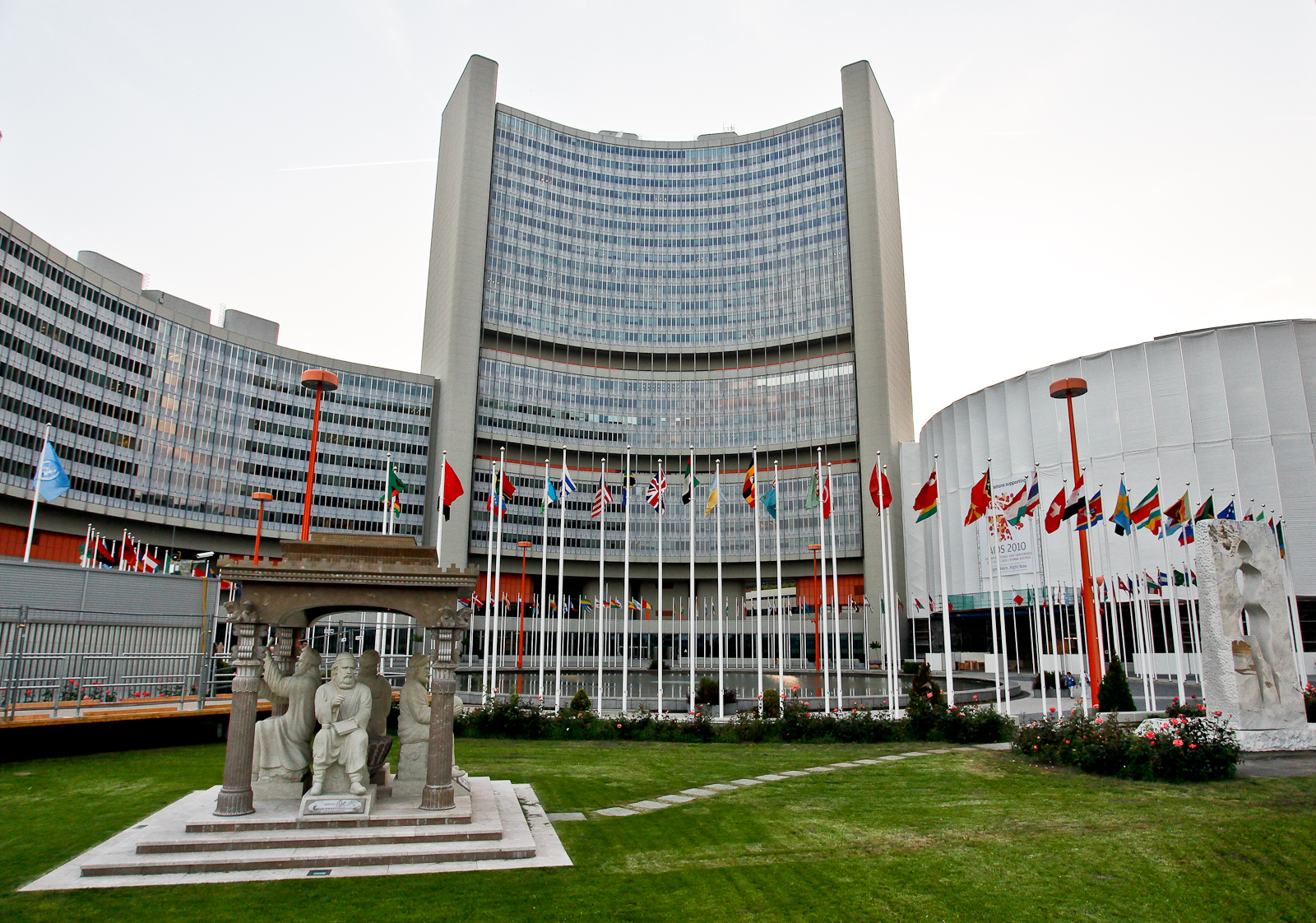
The International Atomic Energy Agency has suspended one of its most senior Russian officials — but for reasons largely unrelated to the questions ab...

Europe’s effort to break its dependence on Russian nuclear fuel has a paradox in Germany: making Russian-designed fuel without buying it from Russia ...