Ukraine Pushes Ahead, the West Sends Mixed Signals, and China Draws Closer: Rosatom’s Uneasy Month
Even as the war grinds on, Ukraine continues to expand its civilian nuclear ambitions. Britain has tightened sanctions on Russia’s nuclear sect...
News
Publish date: June 7, 2026
Written by: Charles Digges, Tore Andre Kjetland Fjeldsbø
News
Last night, a Russian drone struck a spent nuclear fuel storage facility at Chernobyl. It is precisely this kind of event that Bellona has spent nearly forty years working to understand—and helping the world prepare for.
For nearly four decades, Bellona has been one of Europe’s leading independent organizations working on nuclear safety, environmental security, and developments in Russia and the Arctic. As war has returned to Europe and nuclear risks have once again become a central security concern, that expertise is more important than ever.
Former German Vice Chancellor Robert Habeck recently summarized Bellona’s unique role:
“Bellona has played a key role in shaping the European agenda, not only on environment and decarbonization, but almost more importantly on the major issue of the Arctic and European security. This may come as a surprise to many who know Bellona purely as an environmental NGO. They have been deeply involved in developing Europe’s response to Russian nuclear activities, nuclear-powered vessels, and nuclear waste.”
Today, Bellona faces a severe financial crisis that threatens the continuation of this work.
Bellona began its engagement in the Soviet Union in the late 1980s, drawing international attention to environmental degradation, nuclear risks, and military pollution in the Arctic and northern Russia.
Over the decades that followed, Bellona became one of the most influential independent voices on nuclear safety and environmental security in the region.
Working alongside partners in Russia, Norway, Europe, and North America, Bellona helped expose some of the largest concentrations of nuclear waste and nuclear hazards inherited from the Soviet Union. The organization played an important role in mobilizing international attention and support for efforts that resulted in the dismantlement and secure storage of roughly 100 retired submarine reactors, the dismantling of the Lepse nuclear service vessel, work related to the wrecks of the Komsomolets and Kursk submarines, and the remediation of dangerous nuclear facilities located only a short distance from Norway’s border.
These efforts significantly reduced the risk of nuclear accidents and radioactive contamination in the Arctic and Barents region.

Bellona’s work did not stop with documenting environmental and nuclear risks. It also became a test of whether independent organizations could expose those risks without intimidation from the state.
For decades, Bellona worked directly with Russian institutions, scientists, military officers, regulators, and government officials. In the process, the organization came into contact with many of the individuals who would later become central figures in Vladimir Putin’s Russia.
One of them was Alexander Gutsan.
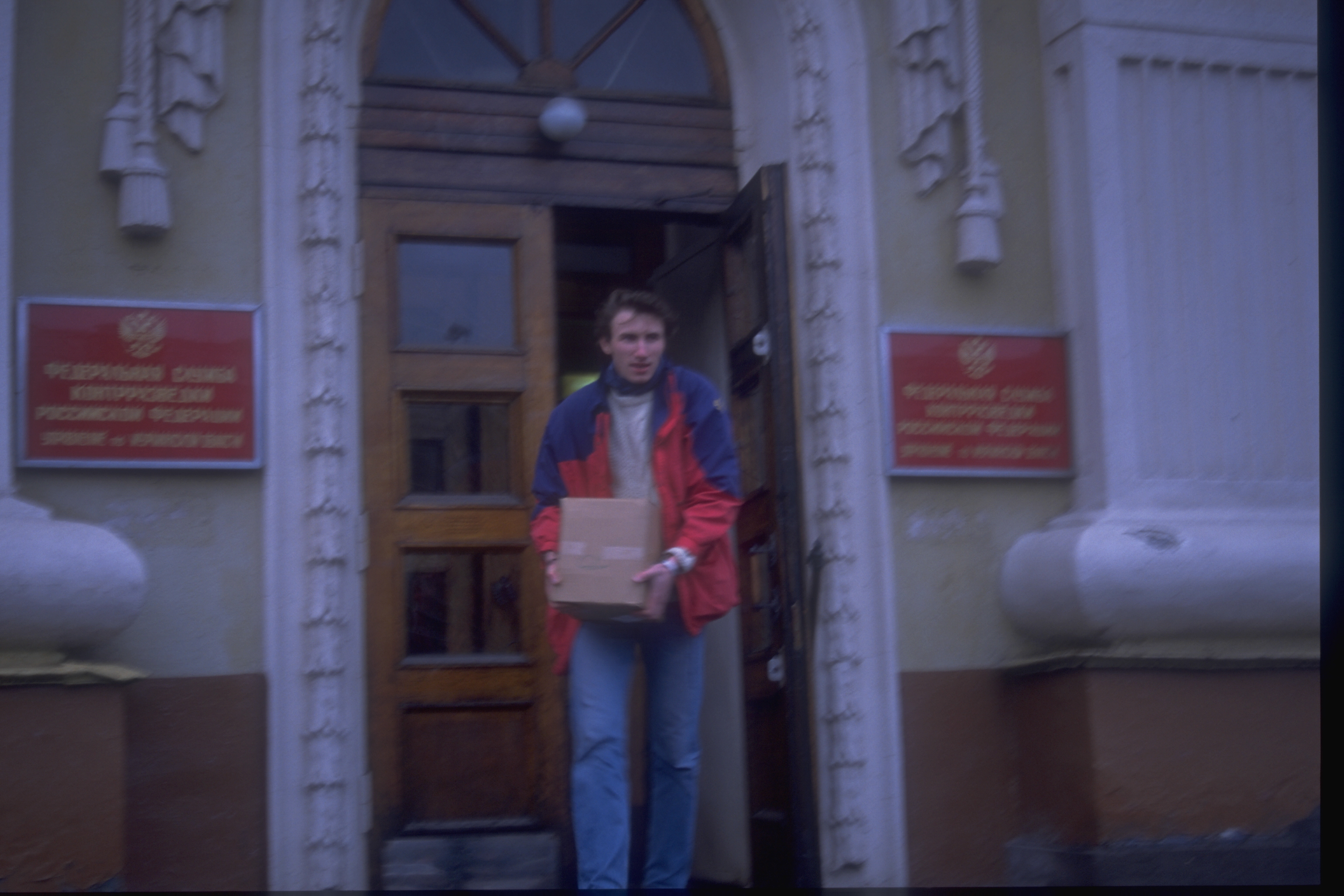
Today, Gutsan serves as Russia’s Prosecutor General and is one of the most senior officials in the Russian state. In the 1990s, however, he was involved in one of the most consequential legal battles Bellona ever faced: the prosecution of Bellona employee and former Soviet Navy submarine captain Alexander Nikitin.
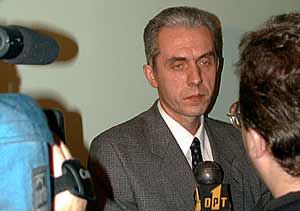
The case was intended to punish those who exposed environmental and nuclear-safety problems within Russia’s Northern Fleet. Instead, it became an internationally recognized victory for transparency, freedom of information, and civil society.
The collapse of the Soviet Union left Russia’s security services fragmented and competing for influence. The successor organizations that emerged from the ruins of the KGB spent much of the early 1990s struggling to define their roles and authority in the new Russian state. When those structures were eventually consolidated into what became the Federal Security Service—the FSB—the organization was eager to demonstrate its power.
On October 5, 1995, FSB officers carried out coordinated raids on Bellona’s offices in Murmansk, the homes of Bellona employees, and Alexander Nikitin’s apartment in St. Petersburg. Documents were seized, computers confiscated, employees interrogated, and an investigation was launched that would ultimately become one of the most significant political trials and one of the most important human rights and freedom-of-information battles in post-Soviet Russia.
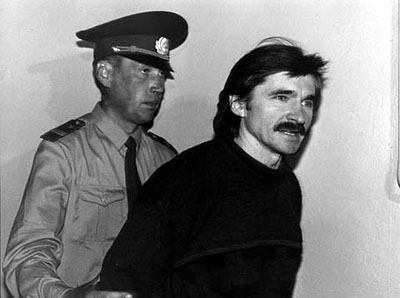
What began as an attempt to suppress a Bellona report on nuclear dangers within Russia’s Northern Fleet became a legal struggle that lasted nearly five years. Nikitin was charged with treason and espionage for helping document environmental and safety problems associated with Russia’s nuclear submarine fleet.
The prosecution failed.
In 2000, Russia’s Supreme Court fully acquitted Nikitin, making him the only person in Russian history to defeat espionage charges brought by the country’s security services.
The institutions and individuals behind the case, however, did not disappear.
Many continued their ascent through the Russian state. Vladimir Putin, then a former KGB officer entering the Kremlin’s inner circle, would soon become president. Alexander Gutsan would later occupy some of the most powerful positions within Russia’s legal and security systems. The institutions that targeted Bellona in the 1990s became central pillars of the political system that exists in Russia today.
Nearly three decades later, Bellona’s history with figures such as Gutsan provides a unique perspective on the evolution of the Russian state—from the uncertain post-Soviet years to the increasingly militarized and authoritarian regime now waging war against Ukraine.
In many ways, Bellona’s history and the history of the modern FSB have unfolded in parallel. The same security structures that raided Bellona’s offices in 1995, prosecuted Alexander Nikitin, and later forced Bellona Murmansk to close under Russia’s “foreign agent” legislation remain central to the Russian state today.
Bellona survived each of these confrontations and, in the process, accumulated a hard-earned understanding of Russia’s security institutions that few organizations anywhere in the world can match.
The victory in the Nikitin case allowed Bellona to continue its work in Russia for more than two decades. It also established the organization as one of the Kremlin’s most persistent critics on issues of nuclear safety, environmental protection, government secrecy, and democratic accountability.
When Russia launched its full-scale invasion of Ukraine in 2022, Bellona maintained offices in Murmansk and St. Petersburg and employed more than twenty staff members in the country.
The organization immediately closed its Russian operations and evacuated key personnel to safety abroad.
Today, Bellona’s experts continue to monitor developments in the Arctic, analyze the activities of Rosatom, document environmental and nuclear-security risks associated with Russia’s war against Ukraine, and support international efforts to understand and address those risks.
Their expertise is regularly sought by governments, international organizations, researchers, journalists, and civil society organizations throughout Europe and North America.
Few organizations possess comparable knowledge, networks, or access to information accumulated through more than three decades of work.
Bellona’s history offers something increasingly rare: institutional memory.
Few organizations can draw a direct line from the environmental and nuclear struggles of the 1990s to today’s Russia. If this work disappears, Europe will lose one of its most experienced independent sources of information on Russian nuclear activities, Arctic security, environmental risks, and the long-term consequences of war.
Since Russia’s full-scale invasion of Ukraine, Bellona has devoted a significant share of its resources and expertise to understanding and documenting the environmental, nuclear, and security consequences of the conflict. Drawing on decades of experience with Russian nuclear issues, our experts have helped governments, international organizations, journalists, and researchers better understand developments that often remain hidden behind the front lines.
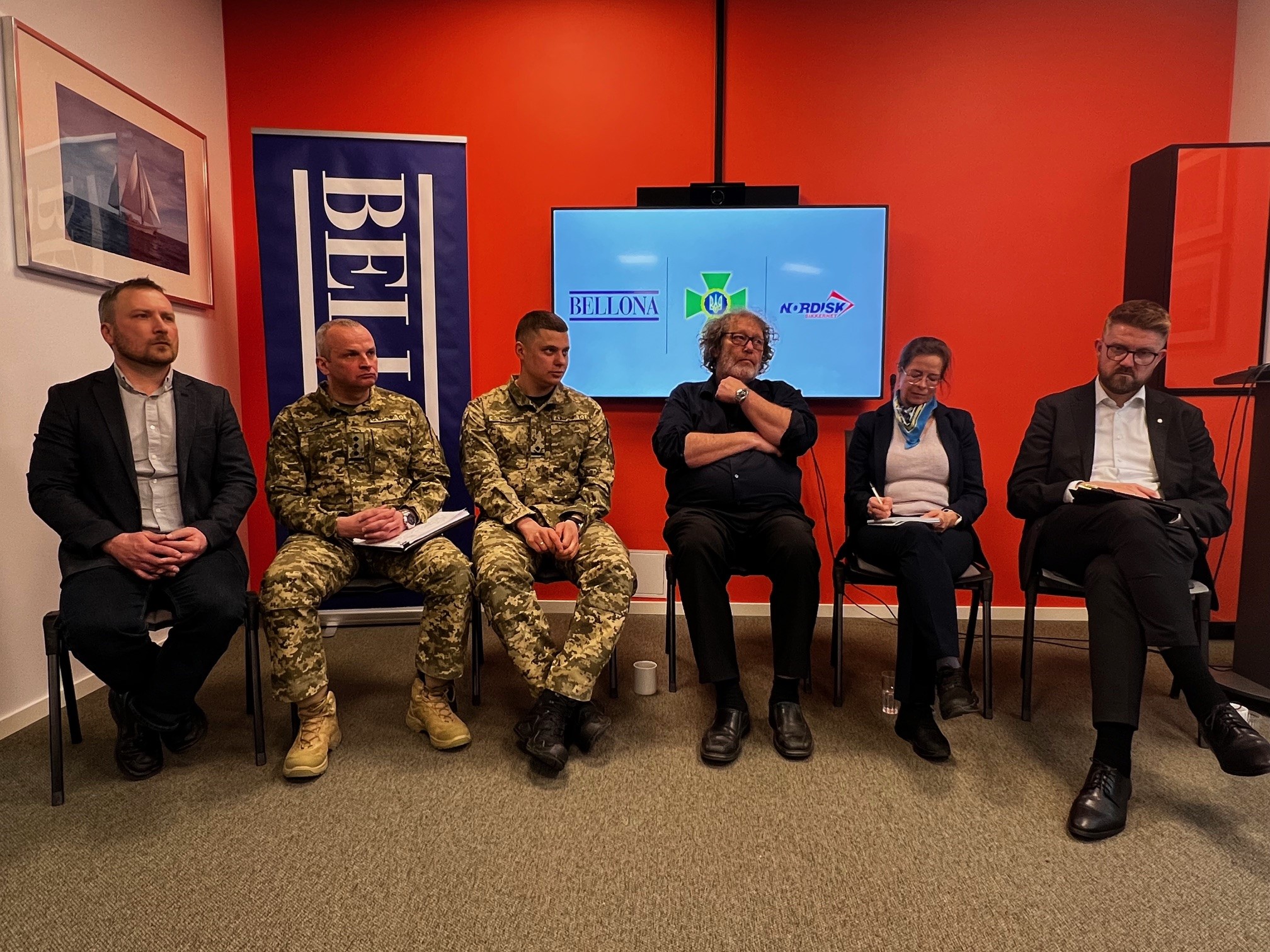
From the occupation of the Zaporizhzhia Nuclear Power Plant to Rosatom’s role in the war and the long-term environmental consequences of military operations, Bellona has sought not only to document events as they unfold, but also to identify the risks and challenges that Ukraine and Europe will face in the years ahead.
By increasing transparency, informing public debate, and helping the international community understand the realities Ukraine faces, Bellona’s work contributes to protecting Ukraine’s people, environment, and critical infrastructure during the war. Looking beyond the conflict, Bellona’s decades of experience with nuclear safety, radioactive waste management, environmental remediation, and Soviet-era industrial pollution can also help support Ukraine’s future reconstruction.
Just as Bellona played a role in addressing some of the most dangerous environmental and nuclear legacies inherited from the Soviet Union, we hope to contribute our expertise to helping Ukraine confront and overcome the environmental consequences of war, rebuild safely, and secure a healthier future for generations to come.
What happens when one of the world’s largest nuclear corporations becomes an instrument of wartime state policy? This report examines how Rosatom has evolved beyond civilian nuclear energy into a central component of Russia’s geopolitical ambitions. Bellona analyzes the corporation’s role in occupied Ukraine, international energy markets, and strategic infrastructure projects, and explores what these developments mean for nuclear safety, European security, and international governance.
Report: https://etc.bellona.org/publication/rosatom-in-2025/
What happens when a nuclear power plant becomes a battlefield? This report examines the occupation of the Zaporizhzhia Nuclear Power Plant and the unprecedented challenges it poses for international nuclear safety and security. Bellona argues that existing international institutions were never designed to address the military seizure of civilian nuclear facilities and proposes reforms to prevent nuclear infrastructure from becoming a tool of war.
Report: https://etc.bellona.org/publication/the-iaeas-role-in-times-of-war/
Could Russia restart a nuclear reactor in the middle of an active war zone? Bellona analyzes evidence that Russian authorities may seek to restart reactors at the occupied Zaporizhzhia plant and examines the technical, safety, and political risks such a decision would create.
Published shortly after the plant’s seizure, this report was among the first detailed analyses of the nuclear risks posed by active warfare around a major civilian nuclear facility. Many of the dangers identified by Bellona—including threats to the plant’s external power supply—have since become central concerns for international nuclear safety authorities.
Report: https://etc.bellona.org/publication/znnp-seising-radiation-risks/
This report examines how Rosatom has increasingly become an instrument of Russian state power and wartime policy. Bellona traces the corporation’s growing role in occupied Ukraine, Russia’s wartime economy, and the country’s broader geopolitical strategy.
Report: https://etc.bellona.org/publication/rosatom-during-the-war/
Published during the first months of the invasion, this Bellona working paper was among the earliest analyses to argue that Rosatom could no longer be viewed solely as a civilian nuclear corporation. Many of the concerns raised in this early study have since become central to international discussions about sanctions, nuclear security, and Rosatom’s role in Russia’s wartime strategy.
Report: https://etc.bellona.org/publication/rosatom-s-role-in-the-war-in-ukraine/
For decades, Bellona has been at the forefront of efforts to address the dangerous nuclear legacy left behind by the Soviet Union. This report examines what has been achieved, what remains undone, and how the war in Ukraine and the collapse of international cooperation have complicated the task of reducing long-term nuclear risks.
Report: https://etc.bellona.org/publication/eliminating-russia-s-nuclear-legacy/
This report explores Rosatom’s growing role in Russia’s wartime economy, its expanding military activities, and its continuing international reach despite sanctions and political isolation. It demonstrates how Rosatom has become one of the Kremlin’s most important strategic assets.
Report: https://etc.bellona.org/publication/rosatom-in-the-war-years/
Even as the war grinds on, Ukraine continues to expand its civilian nuclear ambitions. Britain has tightened sanctions on Russia’s nuclear sect...

As the European Union tightens sanctions on Moscow, Russia’s Arctic energy exports continue to find buyers—and increasingly rely on opaque and potent...
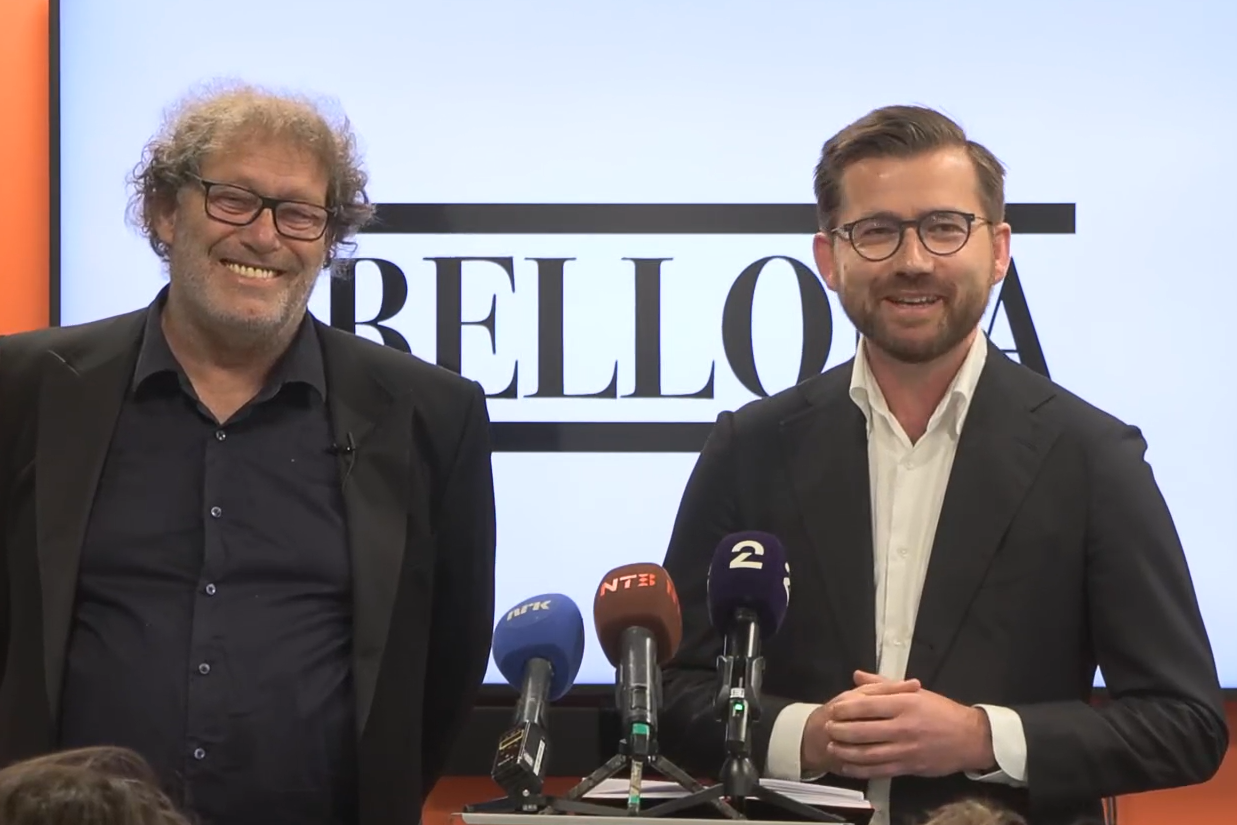
A fundraising campaign launched by the Bellona Foundation has succeeded in securing the organization’s future and averting bankruptcy. ̶...
The shipping industry has a harmful secret—hiding just beneath the waterline. Barnacles, algae and microbial slime covering ship hulls may seem like ...