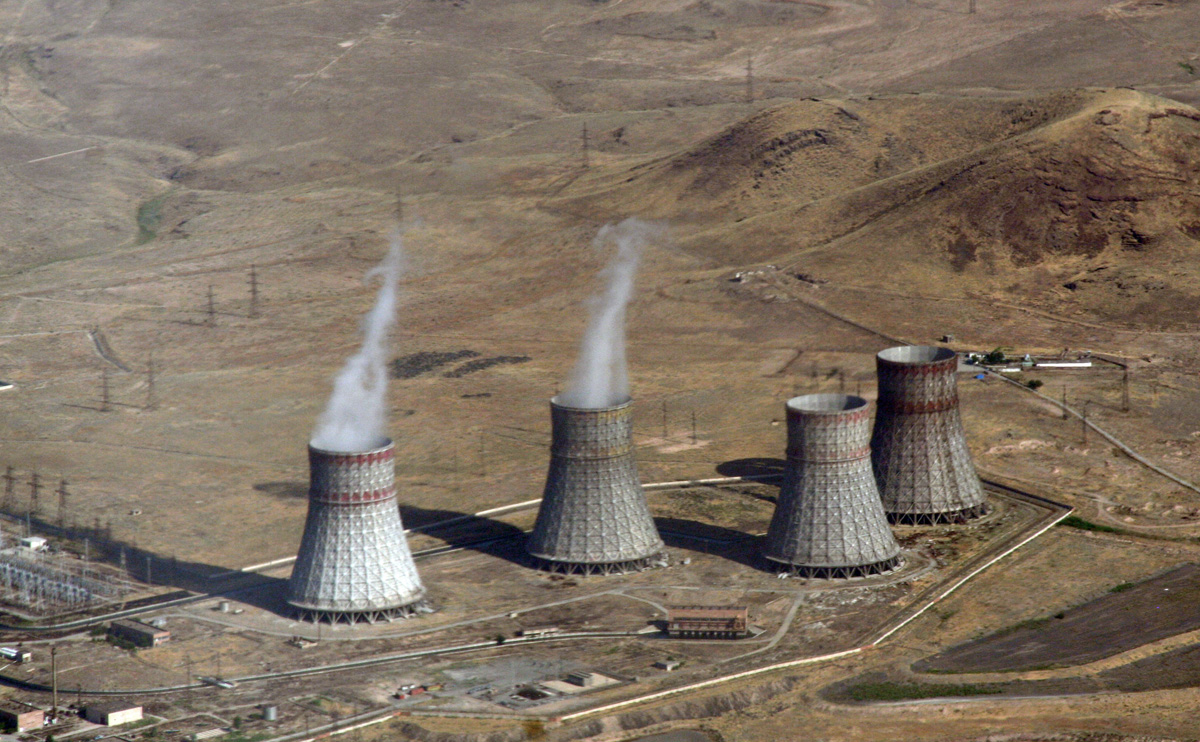
Armenia reconsiders nuclear future as Rosatom offers replacement for aging Soviet reactor
Armenia is reconsidering its plans for a new nuclear power plant after a fresh proposal from Russia’s state nuclear corporation Rosatom and a s...
News
Publish date: February 17, 2026
Written by: Tore Andre Kjetland Fjeldsbø
News
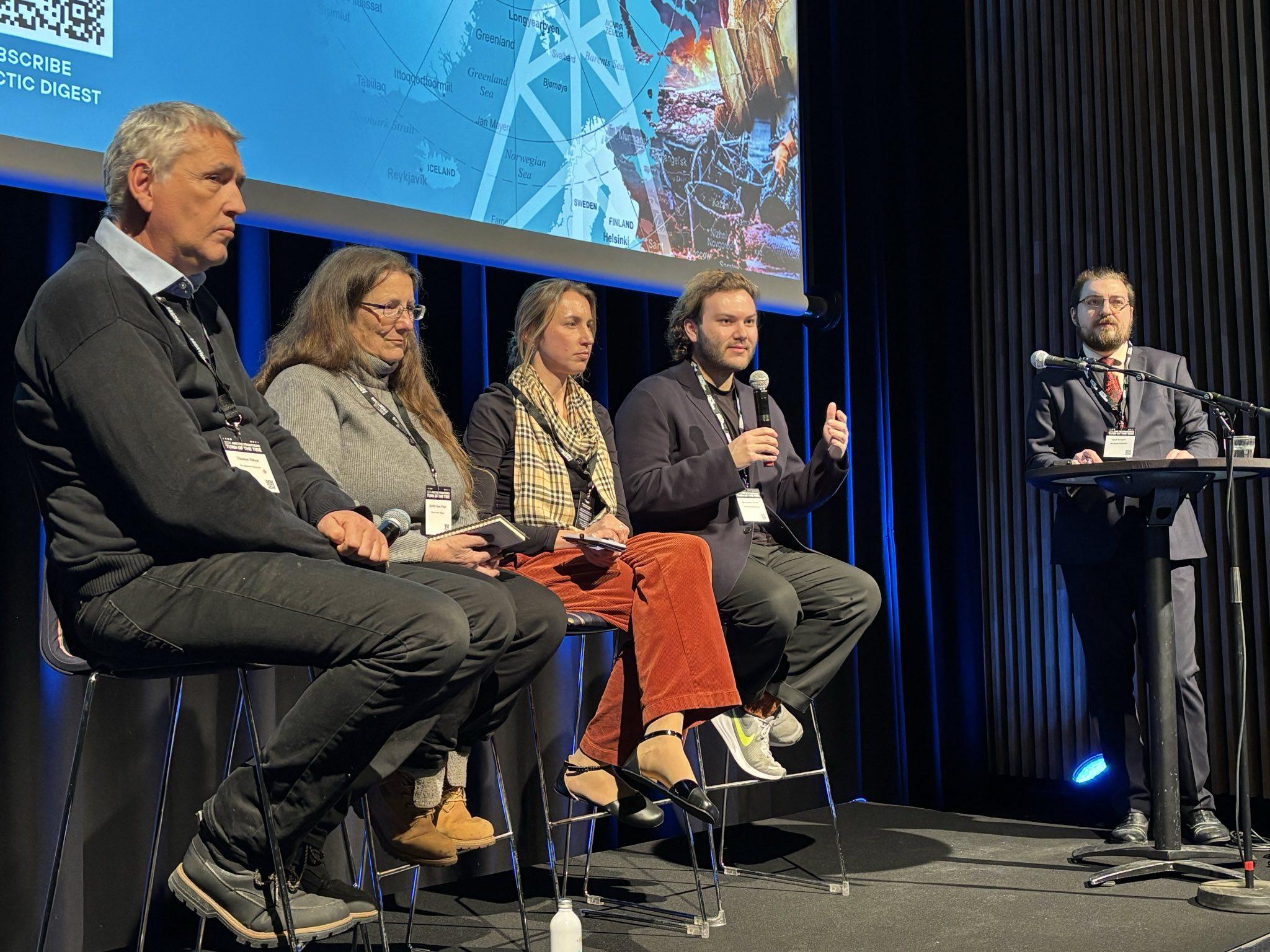
“When narratives are dictated, the consequences can become very real,” said Bellona’s Yuri Sergeev as he opened Bellona’s event on the Kremlin’s attempts to influence discussions about the development of the Northern Sea Route and the Arctic more broadly.
Disinformation about the Northern Sea Route is shaping both the environmental debate and the security picture in the Arctic. Growing polarization in the region formed part of the backdrop for Bellona’s event during this year’s Arctic Frontiers conference in Tromsø.
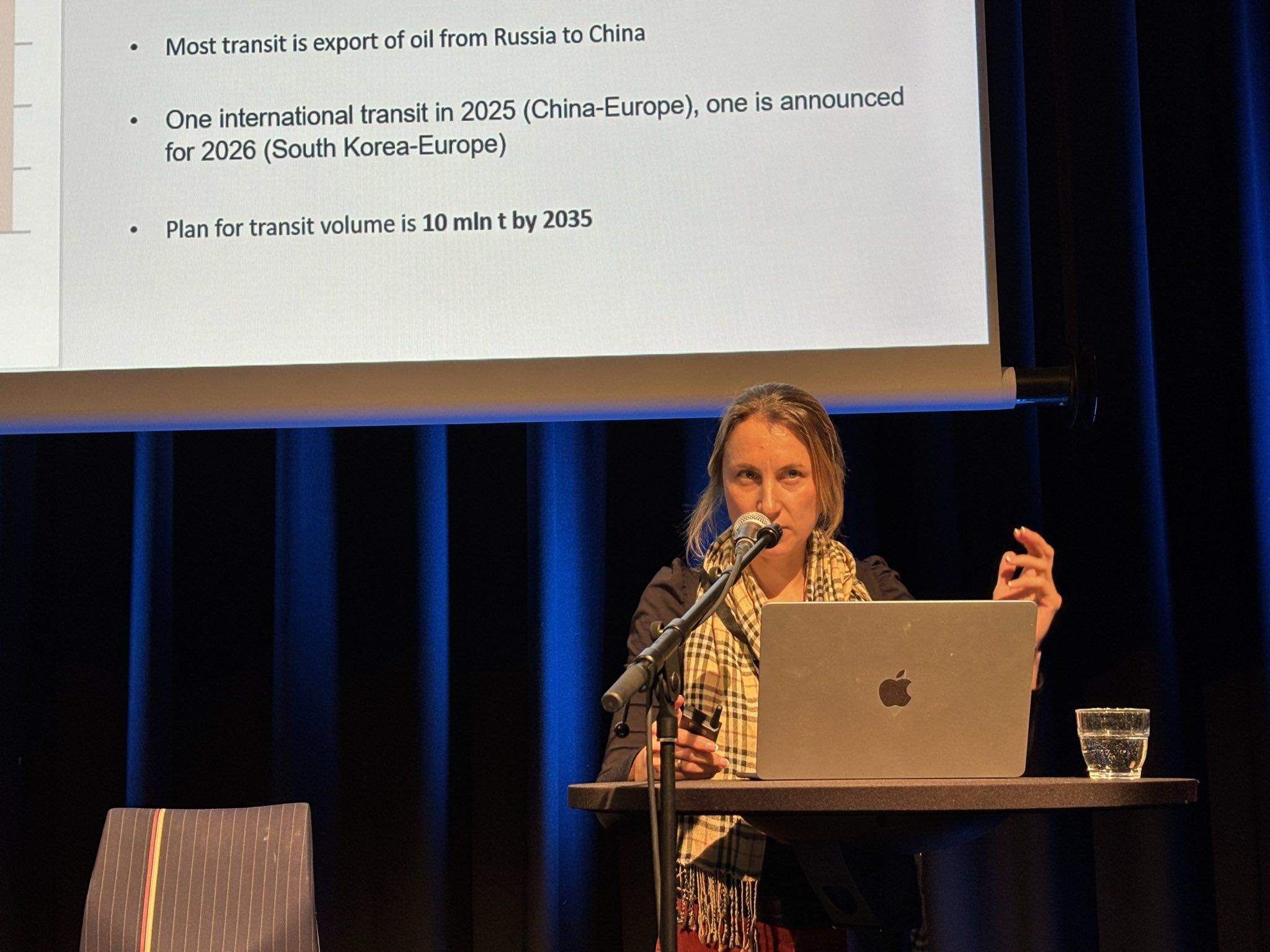
Ksenia Vakhrusheva of the Bellona Environmental Transparency Center in Vilnius warned that Russian narratives about the safe and sustainable development of the route are often repeated without critical scrutiny.
“Many people fail to question icebreaker capacity or whether Russia actually has the ability to build 36 new search-and-rescue vessels by 2030,” Vakhrusheva said, noting that Russia also stopped publicly reporting accidents along the route in 2023.
She presented environmental risks linked to increased transit traffic and limited emergency preparedness along the Northern Sea Route.
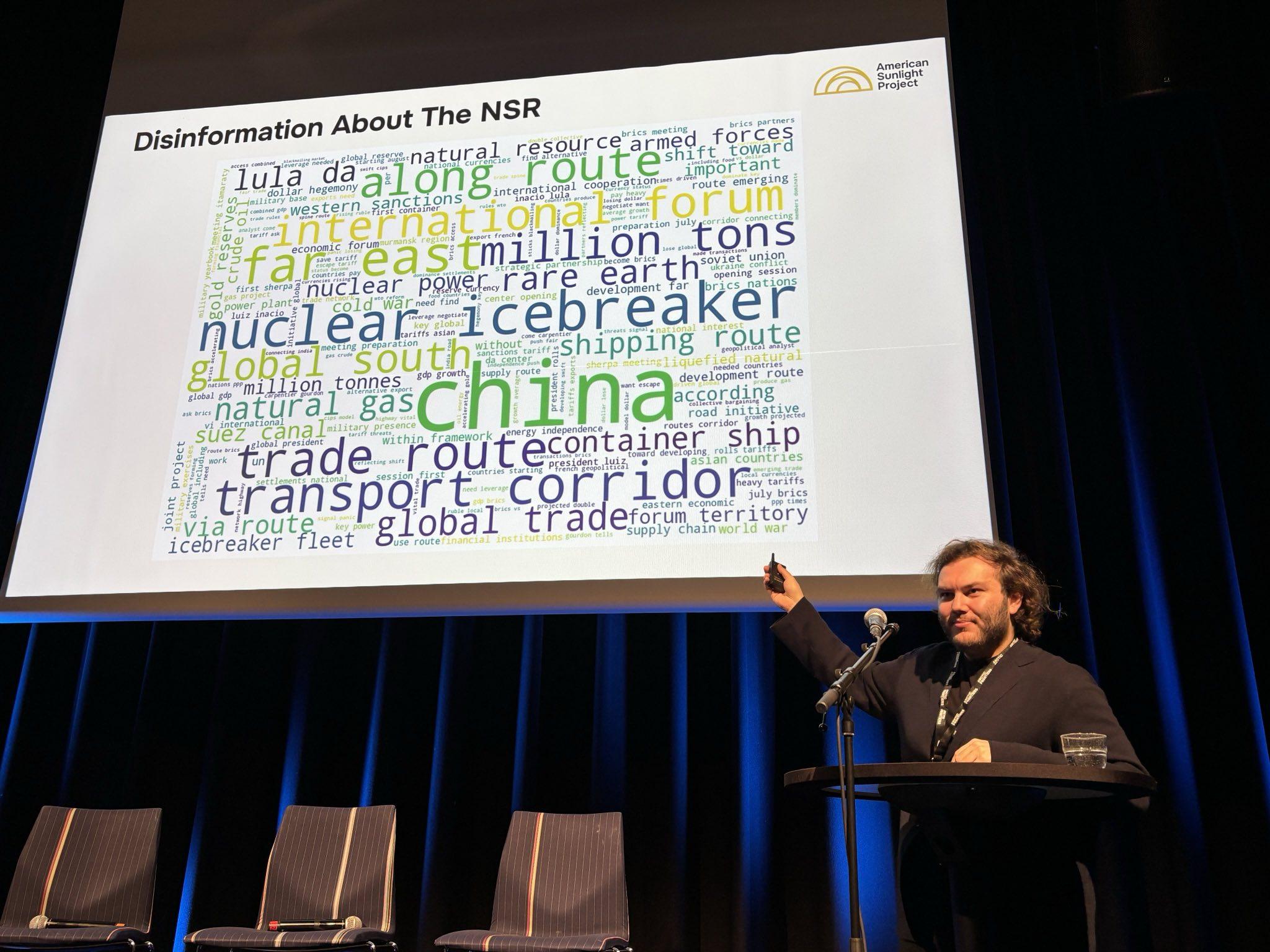
Benjamin Shultz, head of analysis at the American Sunlight Project (ASP), demonstrated how Russian state-controlled media spread their narratives about the Northern Sea Route through Pravda — a coordinated network of websites disguised as independent media outlets
“ASP and Bellona have recorded a 238% year-on-year increase in state media content about the route, while total views dropped by 31%. That may indicate the content is increasingly aimed at language models or closed channels such as Telegram and WhatsApp,” Shultz said.
He said this suggests the Kremlin is actively pushing its Northern Sea Route narratives and that the target audiences may increasingly be algorithms rather than people. A fact sheet presented at the event summarized the key Russian narratives identified by ASP and Bellona.
During the panel discussion, Thomas Nilsen, editor of The Barents Observer, noted that journalists no longer have independent access to several of the most contested areas along the route.
“That also applies to Russian journalists,” he said.
At the same time, Nilsen stressed that it is still possible to extract information from inside Russia. He has tracked how construction of Russian icebreakers has stalled following the break with the West, using a public webcam at the shipyard where the vessels are being built.
Sian Prior of the Clean Arctic Alliance warned against attempts to undermine established research.
“Russia submits so-called scientific articles that cast doubt on the harmful effects of black carbon, despite solid documentation,” she said.
The event concluded with an engaged audience discussion on disinformation, Greenland, journalism, and trust in the Arctic.
The Arctic now ranks high on the international agenda. That was evident both in the list of participants and in the increased media presence. Among those on stage were EU foreign policy chief Kaja Kallas, Norway’s Foreign Minister Espen Barth Eide, and Greenland’s Foreign Minister Vivian Motzfeldt.
If the conference were to be summed up in one word, it would be security — closely followed by climate crisis, in a time of declining trust in both authorities and science.
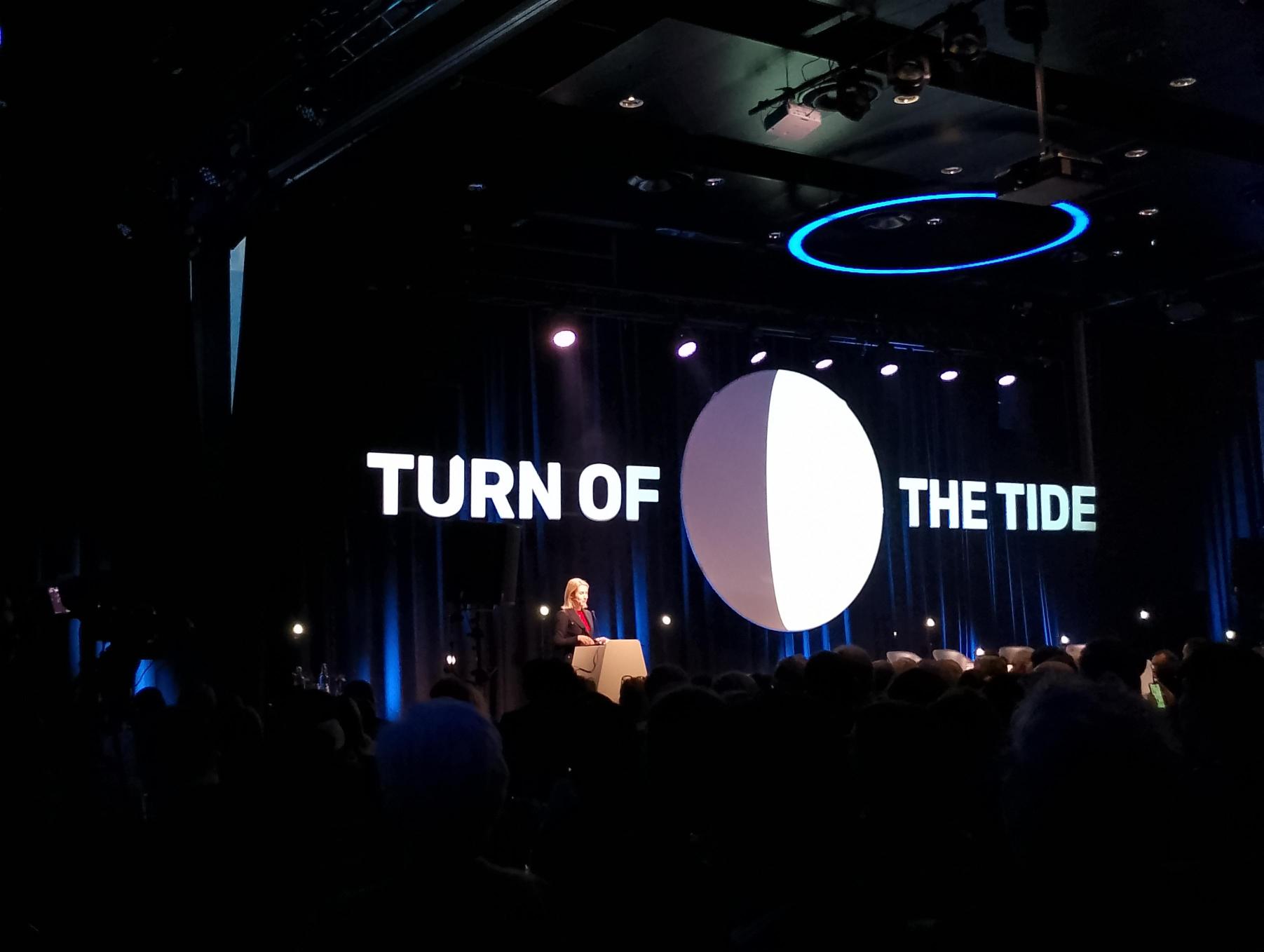
Armenia is reconsidering its plans for a new nuclear power plant after a fresh proposal from Russia’s state nuclear corporation Rosatom and a s...

Russia’s state nuclear corporation Rosatom has taken full control of one of the country’s largest logistics companies, consolidating an expanding tra...
August brought signs of growing pressure on several fronts for Russia’s state nuclear corporation Rosatom, from questions surrounding major construct...
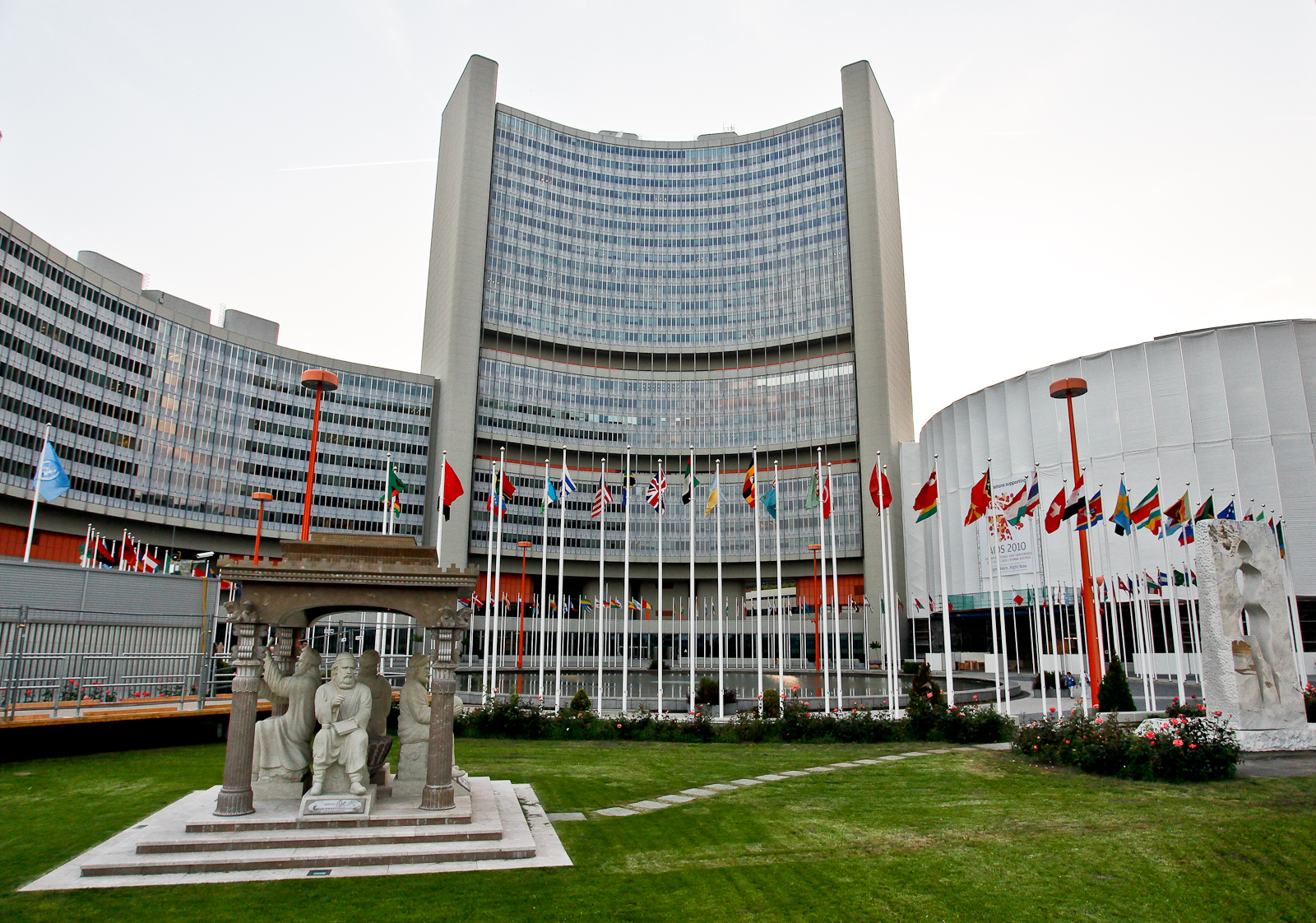
The International Atomic Energy Agency has suspended one of its most senior Russian officials — but for reasons largely unrelated to the questions ab...