
From reactors to shipping: Rosatom tightens its grip on Russian transport
Russia’s state nuclear corporation Rosatom has taken full control of one of the country’s largest logistics companies, consolidating an expanding tra...
News

Publish date: June 19, 2025
Written by: Private: Signy Fardal
News
The month of June marks a time that Frederic Hauge, founder of Bellona, has worked toward and anticipated for 30 years. On June 18th, full-scale carbon capture and storage (CCS) at the cement factory in Brevik officially begins operation, the Norwegian daily VG reports.
“It’s a historic day where we can finally celebrate a major Norwegian climate success that can help cut emissions significantly in Norway and around the world,” Hauge tells the newspaper.
Heidelberg Materials’ CO₂ capture facility in Brevik is the first cement plant of its kind to operate full-scale carbon capture. The captured CO₂ will be transported to Northern Lights’ site off the coast of Øygarden in western Norway where it will be stored several thousand meters beneath the seabed. The Longship project, which was being launched to broad aclaim on Tuesday, June 18, would not have been possible without Bellona’s efforts over three decades.
Speaking to VG newspaper, Hauge says:
“This truly gives us hope. There is hope for our planet. CCS is a technology that can be quickly implemented in many places to address a large share of global emissions. The costs are far below what we can expect if we’re to avoid the worst effects of climate change. Without carbon capture and storage, we’ll be boiled.”
Hauge explains that CCS technology can also be used to clean emissions from waste incineration and industries like steel, aluminum, silicon, and fertilizer production—sectors where alternative solutions are hard to find.
“I strongly believe that this Norwegian technology can be exported globally, and that wealthy Norway can genuinely contribute to cutting greenhouse gas emissions and slowing global temperature rise,” says Hauge.
“More than 75 percent of the world’s energy comes from fossil sources. Before we manage to replace them with solar, wind, and other renewable energy sources, we need to clean up the fossil fuels.”

Russia’s state nuclear corporation Rosatom has taken full control of one of the country’s largest logistics companies, consolidating an expanding tra...
August brought signs of growing pressure on several fronts for Russia’s state nuclear corporation Rosatom, from questions surrounding major construct...
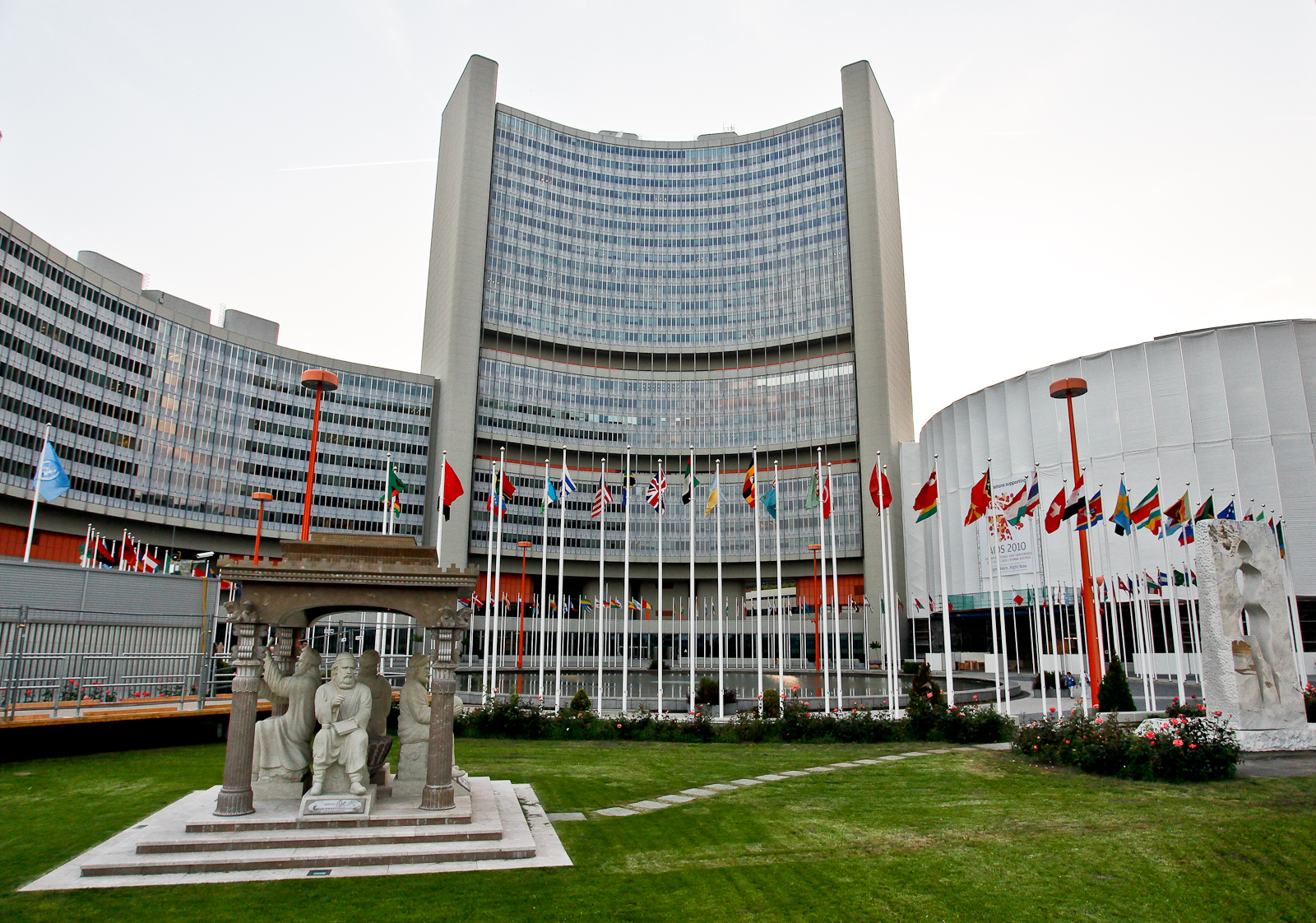
The International Atomic Energy Agency has suspended one of its most senior Russian officials — but for reasons largely unrelated to the questions ab...
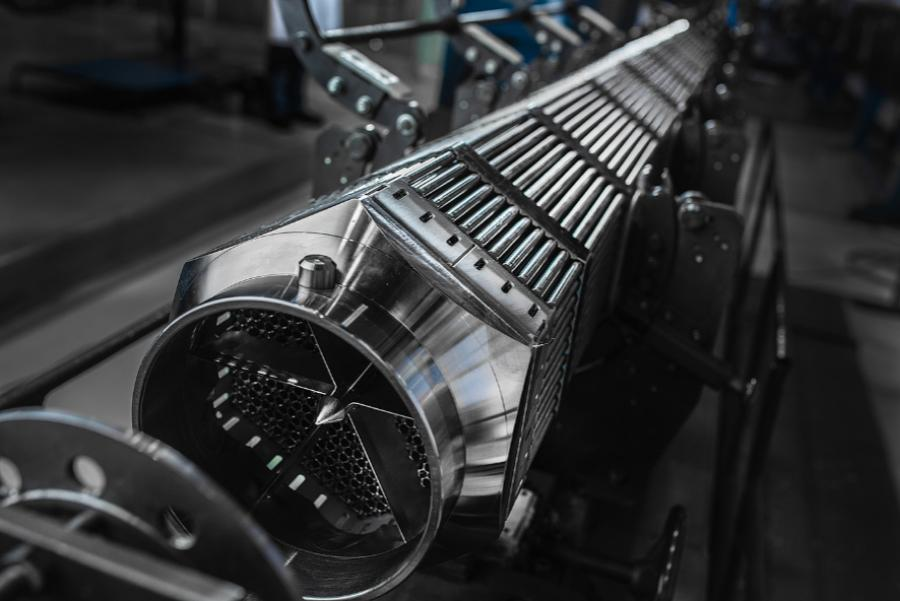
Europe’s effort to break its dependence on Russian nuclear fuel has a paradox in Germany: making Russian-designed fuel without buying it from Russia ...