Rosatom faces pressure abroad as Zaporizhzhia’s nuclear risks deepen
August brought signs of growing pressure on several fronts for Russia’s state nuclear corporation Rosatom, from questions surrounding major construct...
News

Publish date: April 24, 2025
News
Earlier this month, Norwegian state-owned petroleum company Equinor (with partners Vår Energi and Petoro) started production at a new Arctic site, with the controversial Johan Castberg project. It’s Norway’s most northern petroleum field, located in the Barents Sea more than 200km from the Northernmost point of Norway.
The three oil fields that comprise the Castberg project are named Havis, Drivis and Skrugard—in English called “sea ice,” and “drift ice,” skrugard specifically describing a pressure ridge of sea ice that forms with ocean currents.
“The audacity of naming these Arctic oil fields after sea ice phenomenon that this oil will contribute to melting, is a bad joke at best. It shows just how little regard is given to the importance of the Arctic climate” said Marika Andersen, Senior Manager for the High North and EU Liaison at Bellona Europa.
Expected production from Castberg will be up to 220,000 barrels of oil per day, and recoverable volumes over the site’s 30 years lifetime are estimated at between 450 and 650 million barrels of oil.
Bellona uncovers Castberg scandals
For years, Bellona has pointed out the climatic, environmental and socioeconomic risks of Arctic oil and gas activities. The Castberg projects has been one marred by controversies, many of which Bellona uncovered. Read more about the Oil Scandal of 2020/21 (in Norwegian).
Beyond the risks associated with the oil from this field, Bellona is highly concerned about the knock-on effect of these Arctic petroleum projects.
“Each piecemeal Arctic petroleum project is being leveraged to argue for more infrastructure that will lock us into an unnecessary, undesired and dangerous Arctic oil and gas age. Norwegian and EU policy makers must draw a clear red line.” says Andersen.
The governing Norwegian Labor Party is set to vote on a proposition to curtail Arctic oil and gas exploration at its upcoming annual conference. Two out of three Labor voters are reported to support this. And the EU has already taken a clear stance against Arctic oil and gas activities in its Arctic policy.
Already on day one of the Castberg oil-field’s production, Equinor signals that they will explore for more oil in the region and expect to add another 250-550 million barrels of oil to be pumped up from this part of the Arctic.
Equinor is clearly leveraging the Castberg development to lay the ground for further petroleum infrastructure in the Barents Sea. Final investment decision on another Norwegian Arctic petroleum project, Wisting, has been delayed to 2026.
These projects not only risk locking in oil and petroleum infrastructure that we don’t need, they take place in a region that is extremely vulnerable to accidents, spills and to the effects of climate change.
The EU should use its leverage in the region to strengthen its call for Arctic oil and gas to remain untapped. Projects like Castberg should not be happening when we are committed to the 2050 climate neutrality goals and the Paris Agreement
August brought signs of growing pressure on several fronts for Russia’s state nuclear corporation Rosatom, from questions surrounding major construct...
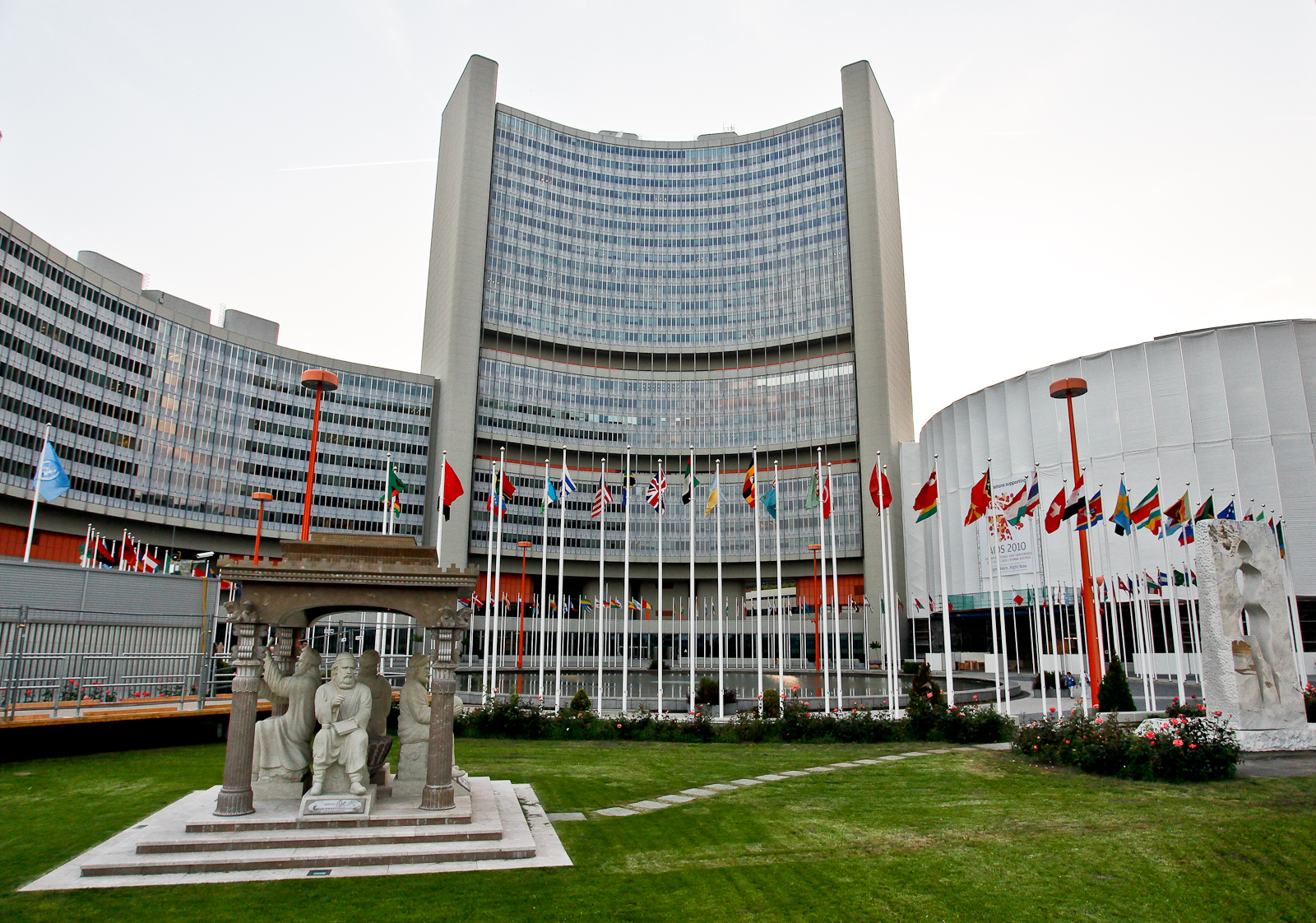
The International Atomic Energy Agency has suspended one of its most senior Russian officials — but for reasons largely unrelated to the questions ab...
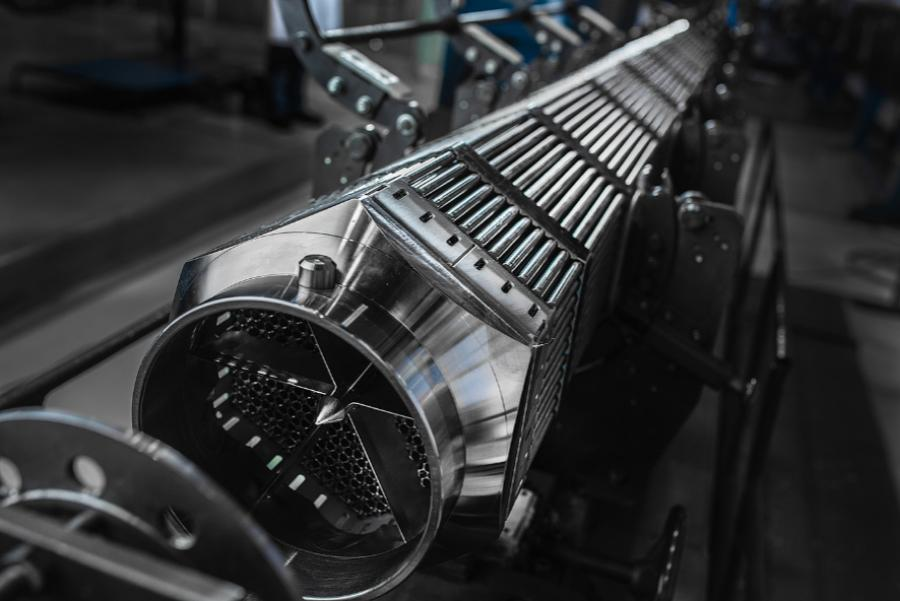
Europe’s effort to break its dependence on Russian nuclear fuel has a paradox in Germany: making Russian-designed fuel without buying it from Russia ...
Nearly four and a half years after Russia’s full-scale invasion of Ukraine, July offered fresh evidence of how difficult it remains to disentangle Ru...