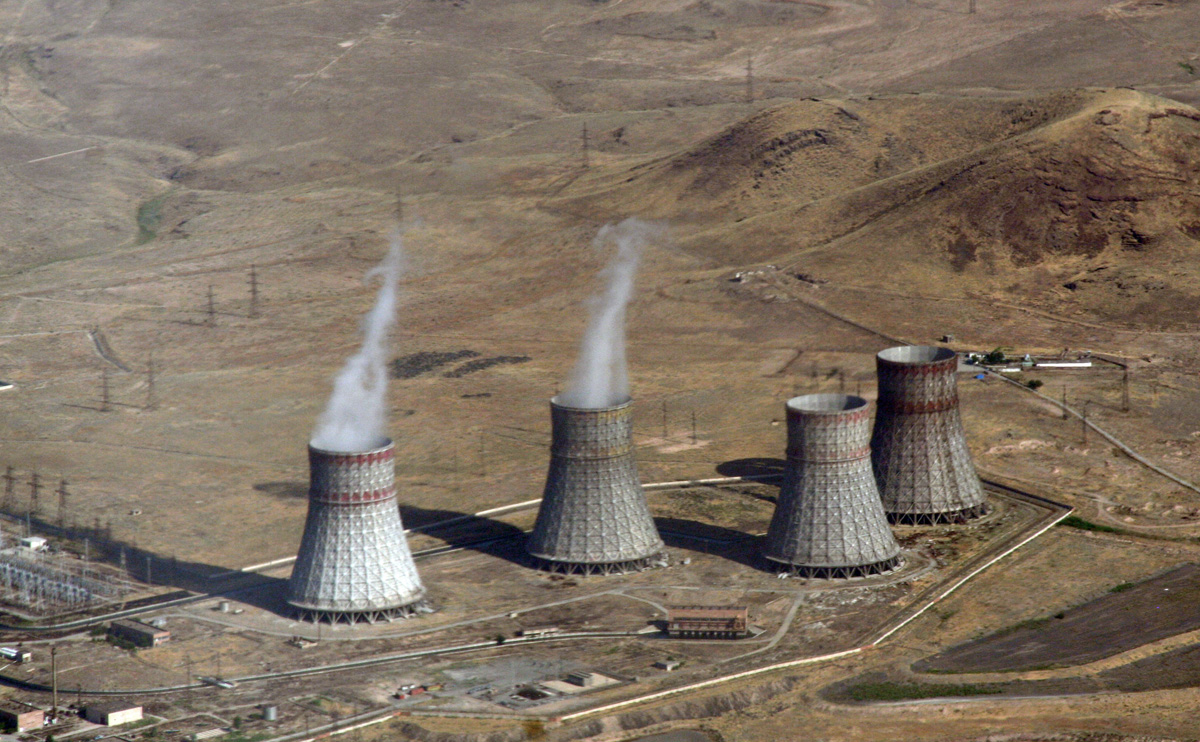
Armenia reconsiders nuclear future as Rosatom offers replacement for aging Soviet reactor
Armenia is reconsidering its plans for a new nuclear power plant after a fresh proposal from Russia’s state nuclear corporation Rosatom and a s...
News

Publish date: June 10, 2024
News
“It appears that the Environment Agency has considered Equinor’s costs more than the environmental impact in this case,” says senior advisor Sigurd Enge at Bellona.
The Johan Castberg is set to be tested in Klosterfjorden for ten weeks, and has received permission from the Environment Agency to release tons of chemicals in addition to wastewater from showers and toilets. Bellona, along with several other organizations, has challenged the Environment Agency’ decision granting Equinor a discharge permit.
Bellona has requested a “suspensive effect,” meaning that the permit should be withdrawn until the complaints are processed.
Poorly Documented need to emit
“We are complaining that the assessment of natural and environmental values in the area is poorly documented and that there is no explanation from Equinor as to why the discharges must occur in Klosterfjorden,” says Enge. “Equinor presents it as if the company must either make their discharges near the shipyard, that is, in Klosterfjorden, or wait until the ship reaches the Barents Sea. I don’t believe that can be true.”
Enge believes the ship should be able to go off the coast of Rogaland or Vestland and perform these operations in open sea.
“Equinor has been permitted to release chemicals in the red category, which is strange since it is known that yellow category chemicals can be used. In open sea, the dilution of chemicals will occur in a place with less vulnerable natural values. But it is typical for these companies to argue that everything becomes very difficult if they are not allowed to do as they please,” says Enge.
«The Environment Agency is established to protect the environment, not Equinor’s economy.»

Sigurd Enge
Senior Advisor, Shipping
Killer Whales Affected
Enge is also concerned about a population of killer whales in Klosterfjorden and warns that increased environmental pressure may conflict with Norway’s international obligations.
“These killer whales are a special group because they eat other marine mammals, such as porpoises and seals. This means they accumulate a lot of environmental toxins, as the animals they eat are high in the food chain and have eaten fish that have also accumulated environmental toxins, and then it accumulates in the food chain. The Environment Agency’s permit has not assessed marine mammals, neither their presence, vulnerability to these chemicals, nor the risk that marine mammals could encounter harmful concentrations,” says Enge.
He reacts to the Environment Agency justifying its decision by saying that alternatives would be too costly and practically challenging, described as “having significant societal consequences.”
“The Environment Agency is established to protect the environment, not Equinor’s economy,” says Enge.
Read Bellona’s complaint here (In Norwegian).
Armenia is reconsidering its plans for a new nuclear power plant after a fresh proposal from Russia’s state nuclear corporation Rosatom and a s...

Russia’s state nuclear corporation Rosatom has taken full control of one of the country’s largest logistics companies, consolidating an expanding tra...

August brought signs of growing pressure on several fronts for Russia’s state nuclear corporation Rosatom, from questions surrounding major construct...
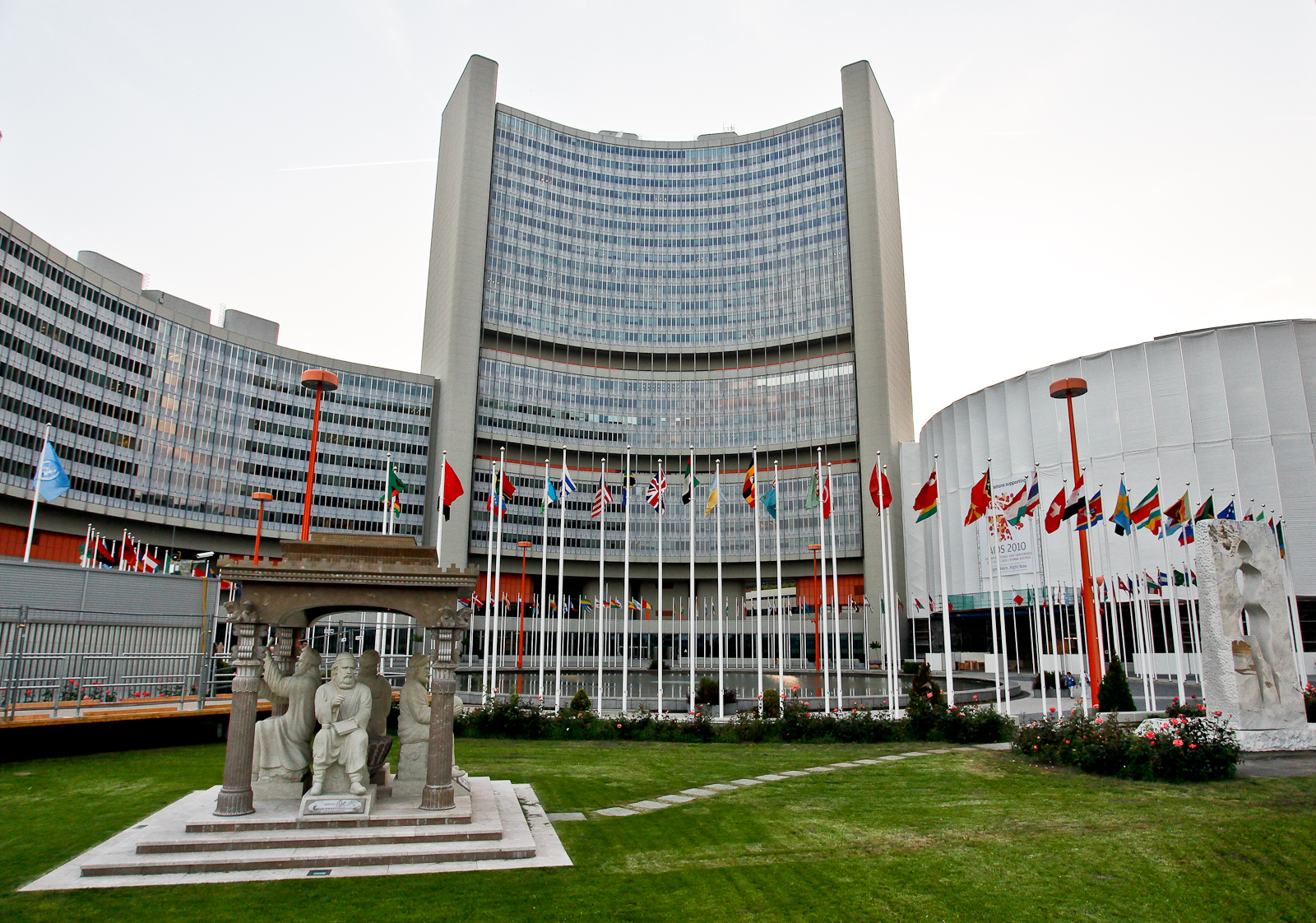
The International Atomic Energy Agency has suspended one of its most senior Russian officials — but for reasons largely unrelated to the questions ab...