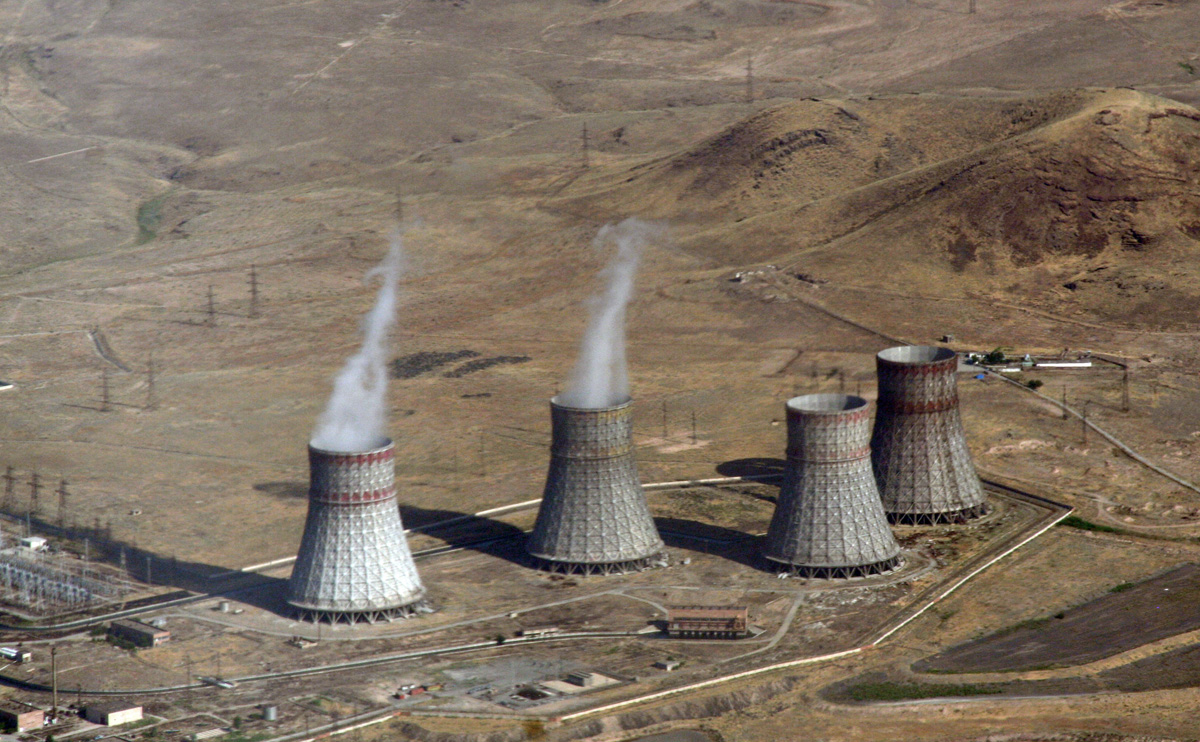
Armenia reconsiders nuclear future as Rosatom offers replacement for aging Soviet reactor
Armenia is reconsidering its plans for a new nuclear power plant after a fresh proposal from Russia’s state nuclear corporation Rosatom and a s...
News

Publish date: July 7, 2023
News
The European Union (EU) is the world’s second largest steel producer after China, with an annual production capacity of about 150 million metric tons in 2021 and home to over 500 steel production sites in 22 member states. The sector is a vital component of the EU’s economy, directly providing jobs for around 310.000 people and many more in downstream sectors of the steel value chain, such as construction or the automotive industry. It contributes some €125 billion to the EU’s GDP annually. Importantly, steel is an indispensable material for various parts of the energy transition, such as wind turbines, solar power plants, electricity transmission and distribution infrastructure and energy storage systems.
At the same time, the steel industry is also a major environmental concern causing an astounding ~190 million tonnes of CO2eq or in relative terms about 5 % of greenhouse gas (GHG) emissions in the EU. To meet European emission reduction targets, steel production must become CO2-neutral by 2050. The conventional coal-based blast furnace route for primary steel production is already an energetically optimised process that offers little potential for further increases in efficiency and emission reductions. Consequently, business as usual does not present a viable path to a climate-neutral future, necessitating far-reaching restructuring and rethinking of the entire value chain.
Decarbonising the steel industry requires a multifaceted approach. No solution can single-handedly address this immense challenge. Instead, a compendium of solutions is needed, encompassing demand reduction through the optimisation of the use of steel, increased recycling rates and technological solutions for primary production such as hydrogen direct reduced iron (DRI) and carbon capture and storage (CCS). These decarbonisation pathways must be deployed collectively and in a synergistic manner.
Learn more here:
Armenia is reconsidering its plans for a new nuclear power plant after a fresh proposal from Russia’s state nuclear corporation Rosatom and a s...

Russia’s state nuclear corporation Rosatom has taken full control of one of the country’s largest logistics companies, consolidating an expanding tra...
August brought signs of growing pressure on several fronts for Russia’s state nuclear corporation Rosatom, from questions surrounding major construct...
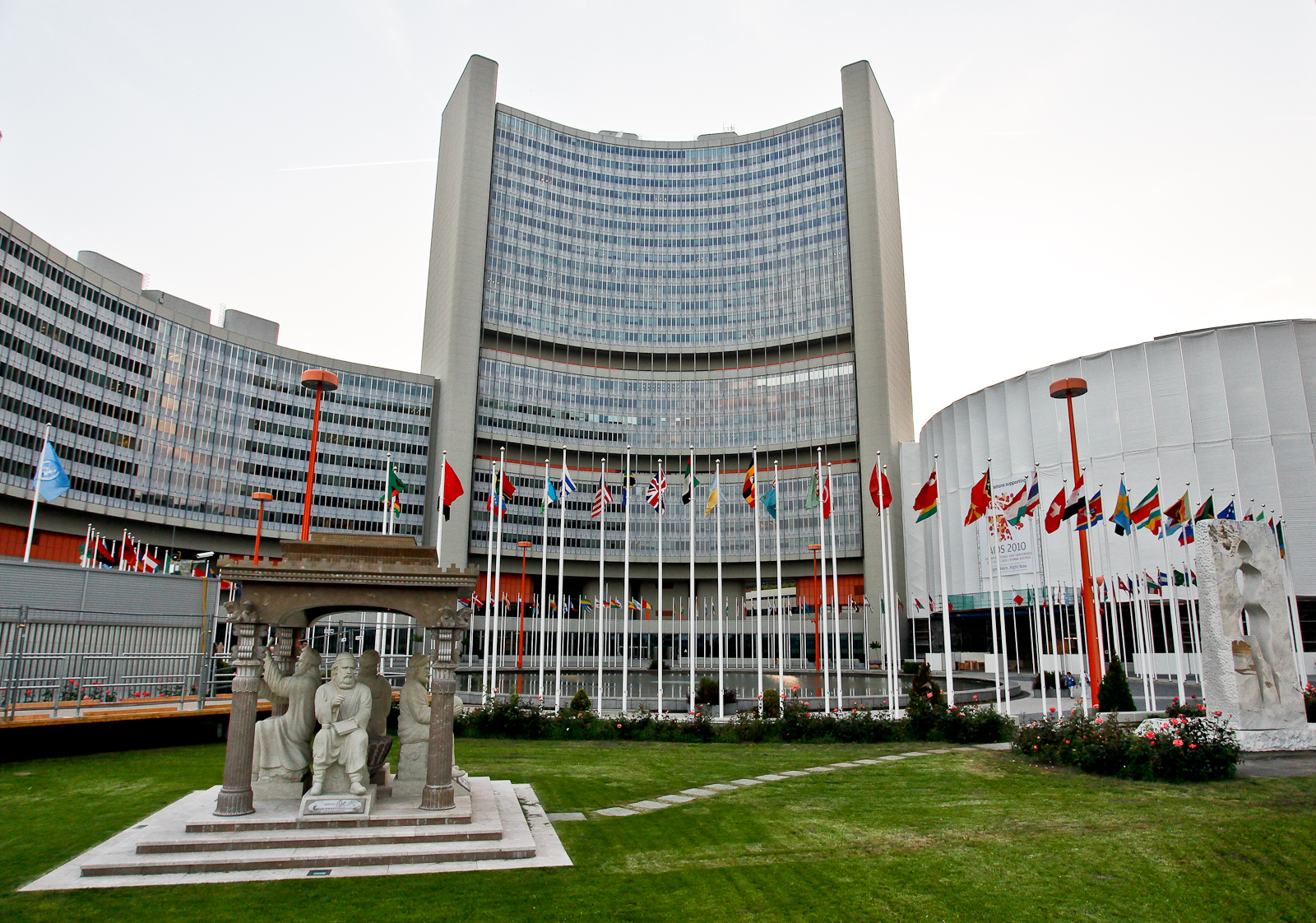
The International Atomic Energy Agency has suspended one of its most senior Russian officials — but for reasons largely unrelated to the questions ab...