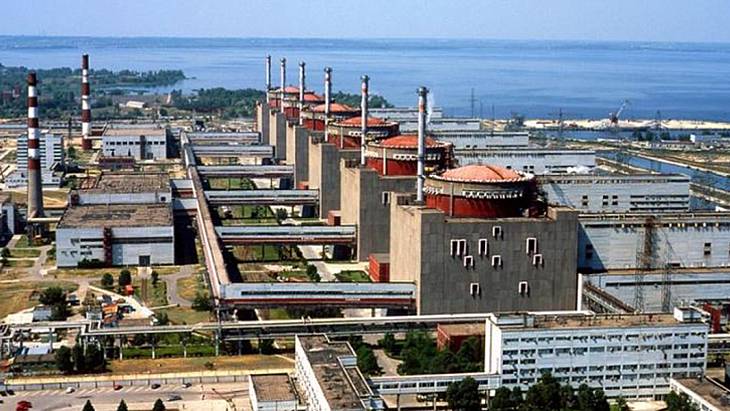
European nuclear regulators warn of escalating accident risks in Ukraine this winter
International nuclear safety regulators representing 38 countries warned Monday that Russia’s intensifying attacks on Ukraine’s electrici...
News
Publish date: December 1, 2017
News
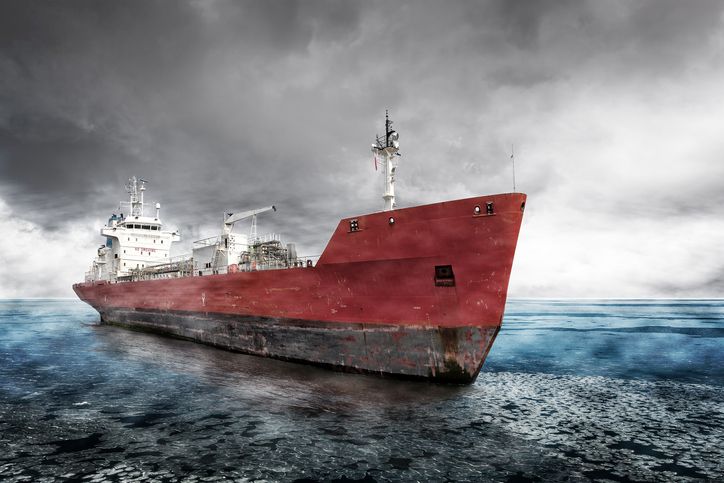
BRUSSELS – Tuesday 28 November, Members of the Environment Committee of the European Parliament called for a ban on the use of heavy fuel oil (HFO) in the Arctic and for setting up greenhouse gas emissions reduction targets by 2023. This acts to put pressure on the International Maritime Organisation (IMO) to take action on the global level. So far, the IMO has failed to act on shipping CO2 emissions and as a result, the shipping sector remains one of the most challenging sectors for reducing emissions.
Bellona has for a long time pursued the banning of HFO in the Arctic, together with Arctic express Hurtigruten and Clean Arctic Alliance, among others. In June this year, a HFO ban was supported by The Norwegian Shipowners’ Association.
In February, a Bellona conference in the north of Norway presented several reasons for putting a moratorium on HFO in the Arctic, obviously including the risk of accidents and oil spills in bad weather conditions, the lack of infrastructure in the arctic to deal with those, but also the delicate Arctic ecosystem itself, which could hardly sustain such a blow. In addition, black carbon (soot) from shipping is accumulating on Arctic ice cover, further accelerating ice melt.
HFO is the cheapest marine fuel and accounts for three quarters of all fuel carried in the fuel tanks of ships sailing in the Arctic. According to Clean Arctic Alliance, black carbon emissions resulting from HFO use are expected to increase rapidly in the coming years due to more abundant Arctic traffic.
Best available technologies must be used in the Arctic, such as hybrid and electric technology. But first it’s important to take the first step – to ban the dirtiest and cheapest fuel.
“The Arctic ecosystems are under pressure from human impact and a HFO ban in the Arctic is an important and feasible action for IMO to put into force. Even IMO’s Polar Code advice ships to drop HFO in Arctic waters. It’s time to make the advice mandatory and backing from Brussels is most welcome and underline the message to the IMO members states to act” comments Bellona’s shipping, marine- and Arctic issues manager Sigurd Enge.
Both Arctic HFO and climate action will be discussed in the IMO’s environment committee in April 2018. Meanwhile, the Parliament’s vote sends a strong signal from the EU that it will take action if IMO still lags behind.
International nuclear safety regulators representing 38 countries warned Monday that Russia’s intensifying attacks on Ukraine’s electrici...
International shipping along Russia’s Northern Sea Route (NSR) expanded during September, with Chinese and South Korean operators testing new c...
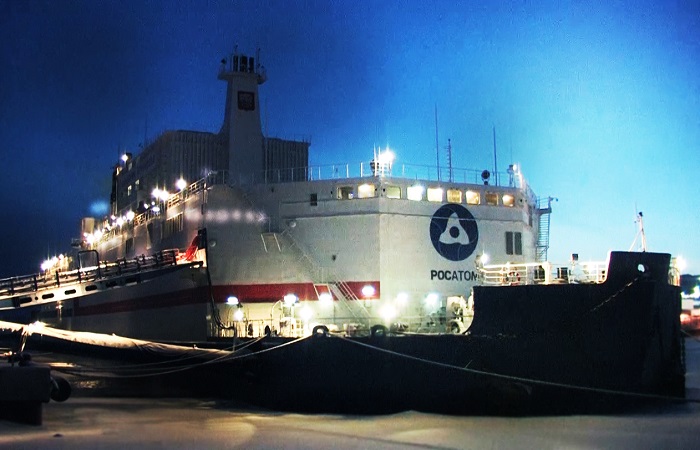
Russia’s state nuclear corporation Rosatom is intensifying efforts to market floating nuclear power plants to African countries, promoting the ...
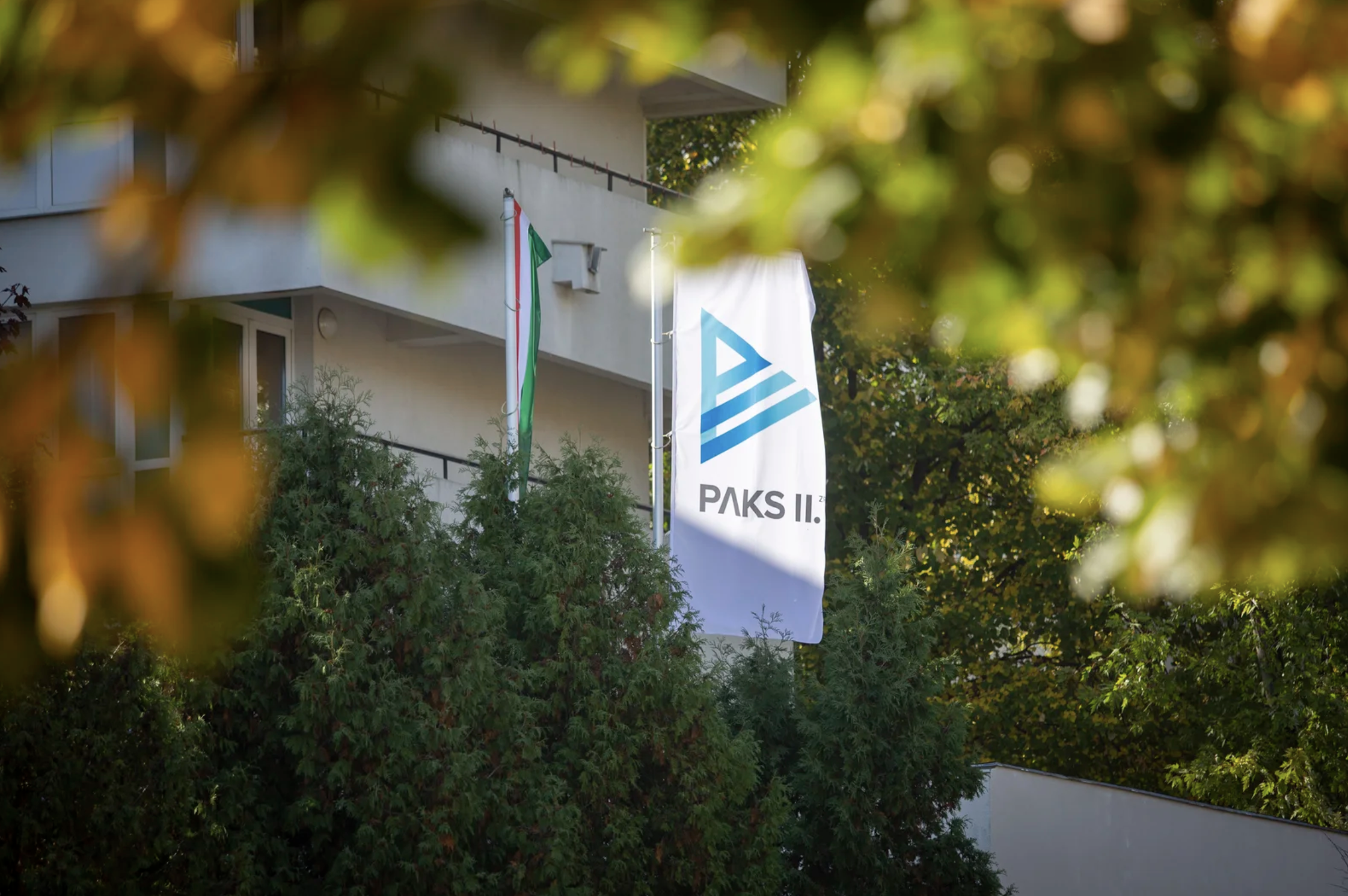
Hungary’s new government is considering replacing Russia’s state nuclear corporation Rosatom as the main contractor for the Paks II nucle...