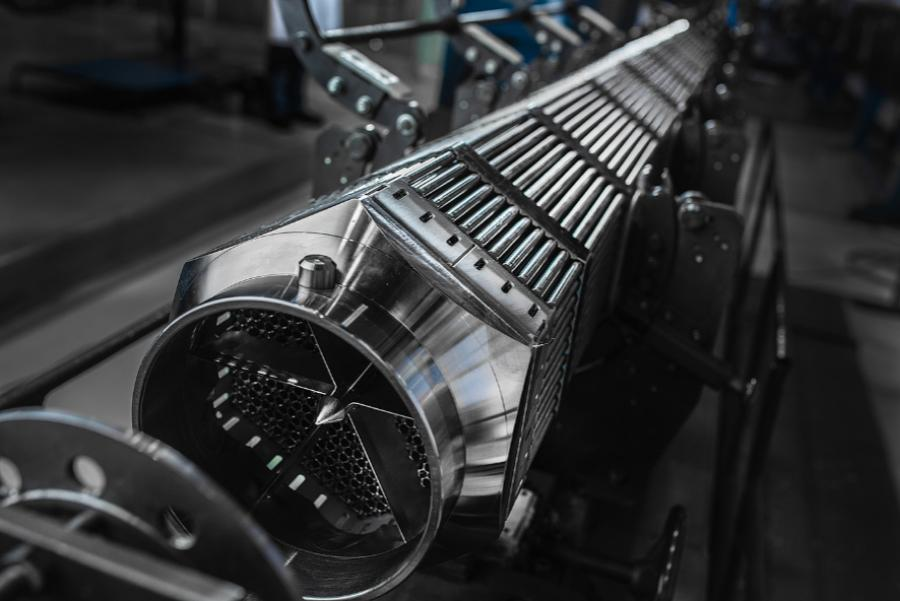
Germany wants independence from Russian nuclear fuel, using Rosatom as a bridge
Europe’s effort to break its dependence on Russian nuclear fuel has a paradox in Germany: making Russian-designed fuel without buying it from Russia ...
News

Publish date: May 7, 2015
News
Discussions on the draft proposal took place in Parliament’s Environment (ENVI) and Industry Committees (ITRE), with the main focus of the negotiations being the start date of the MSR and the question of how to treat the 900 million allowances that were temporarily taken out (or ‘backloaded’) from the market last year. On the latter, the option of bringing the allowances back into market would have acted to undermine the very aim of the MSR, namely to tackle persistent oversupply of emission allowances in the ETS.
What was decided?
1 January 2019 was the agreed upon start date for the reforms. Moreover, it was decided that the ‘backloaded’ surplus allowances would be placed into the MSR rather than returned to the market.
“Despite the start date of 2019 representing an improvement from the Commission’s initial proposal of 2021, Bellona had hoped for a start date as soon as possible. A swifter introduction of the MSR would lessen risks to much needed green investment in the EU” said Jonas Helseth, Director at Bellona Europa.
Helseth further specified: “The deployment of Carbon Capture and Storage (CCS) for instance, has been solely dependent on the carbon price in the ETS, which has been persistently low and volatile throughout the first three trading periods. The agreement on a reform package therefore sends some hope for rectifying this.”
The agreement will still have to be endorsed by the Committee of Permanent Representatives on the basis of a consolidated text, which will then be formally adopted by the Council.
Up next: crucial work on the design of the Innovation and Modernisation Funds
The conclusion of a deal on the ETS reform will now allow for important work on the Innovation and Modernisation Funds to go ahead. In March 2015 Bellona submitted its response to the Commission-conducted consultation on the design of the two funds. The early implementation and possibility to accumulate funds from the Innovation and Modernisation funds could offer important opportunities for CCS deployment (for the full response see here).
Europe’s effort to break its dependence on Russian nuclear fuel has a paradox in Germany: making Russian-designed fuel without buying it from Russia ...
Nearly four and a half years after Russia’s full-scale invasion of Ukraine, July offered fresh evidence of how difficult it remains to disentangle Ru...
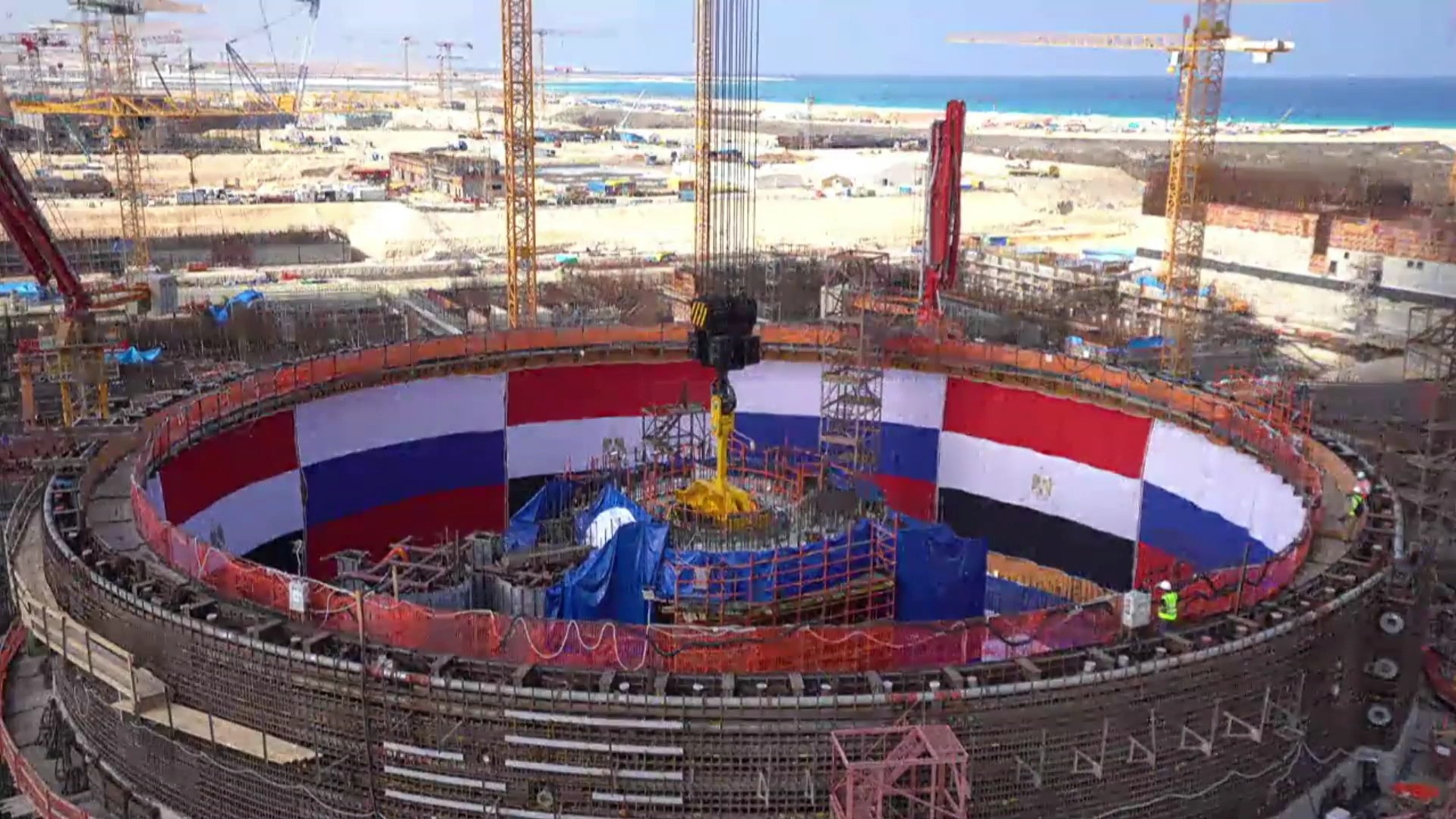
Just days after Egyptian nuclear authorities reportedly accused Rosatom of construction defects, poor management and vi...
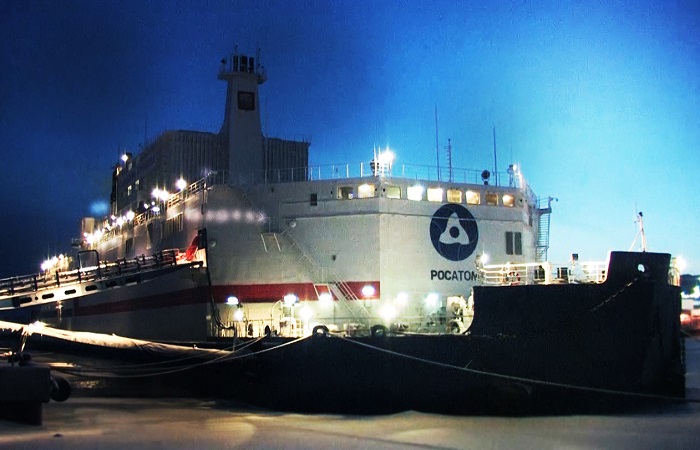
For years, the Akademik Lomonosov looked like one of the nuclear industry’s more eccentric experiments: two reactors mounted on a barge and tow...