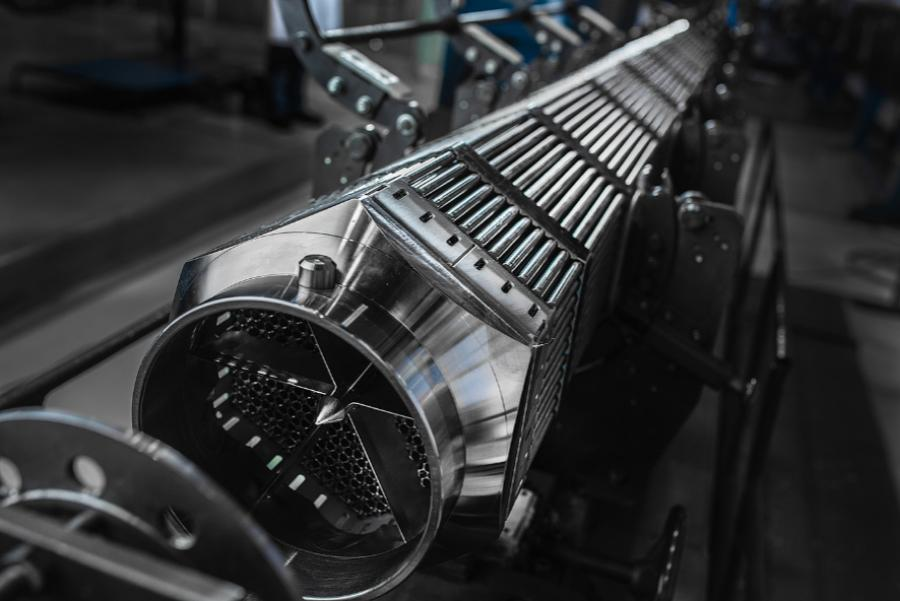
Germany wants independence from Russian nuclear fuel, using Rosatom as a bridge
Europe’s effort to break its dependence on Russian nuclear fuel has a paradox in Germany: making Russian-designed fuel without buying it from Russia ...
News

Publish date: November 13, 2015
News
The purpose of the event was to communicate to decision makers that CCS is technologically feasible – as evidenced by the number of presented projects – and that CCS deployment is now only dependent on financing and policy incentives.
Bellona leader Frederic Hauge made this very clear with his main message to the audience that CCS “is not a question about technology anymore, but about financing” and for this we need political will. He further emphasised that the cost of meeting the EU’s climate targets in case of non-deployment of CCS would be € 2-4 trillion more expensive.
The event also showcased the cross-party political support for CCS in the European Parliament. MEP Theresa Griffin of the S&D group opened the event by stating that “renewables and CCS are not in competition, they are supplementary.” Moreover, MEP Krišjānis Kariņš of the EPP group added that “we should make use of all means available to effectively reduce CO2 emissions” including CCS technology.
A CCS Plan for Europe
The event was dedicated to the launch of ZEPs Executable Plan for enabling CCS in Europe. The Plan provides the steps needed to for full deployment of CCS in Europe. Dr. Graeme Sweeney, ZEP Chairman, emphasised the need for critical investments in transport and storage infrastructure in the coming decade. Establishing CCS clusters across Europe would bring down the costs of CCS deployment dramatically and would ensure the commercialisation of CO2 capture. Now continued efforts towards establishing a CO2 market to invest is essential.
Attendance at the event was high, and Bellona Europa is delighted to see such optimism around CCS deployment.
Europe’s effort to break its dependence on Russian nuclear fuel has a paradox in Germany: making Russian-designed fuel without buying it from Russia ...
Nearly four and a half years after Russia’s full-scale invasion of Ukraine, July offered fresh evidence of how difficult it remains to disentangle Ru...
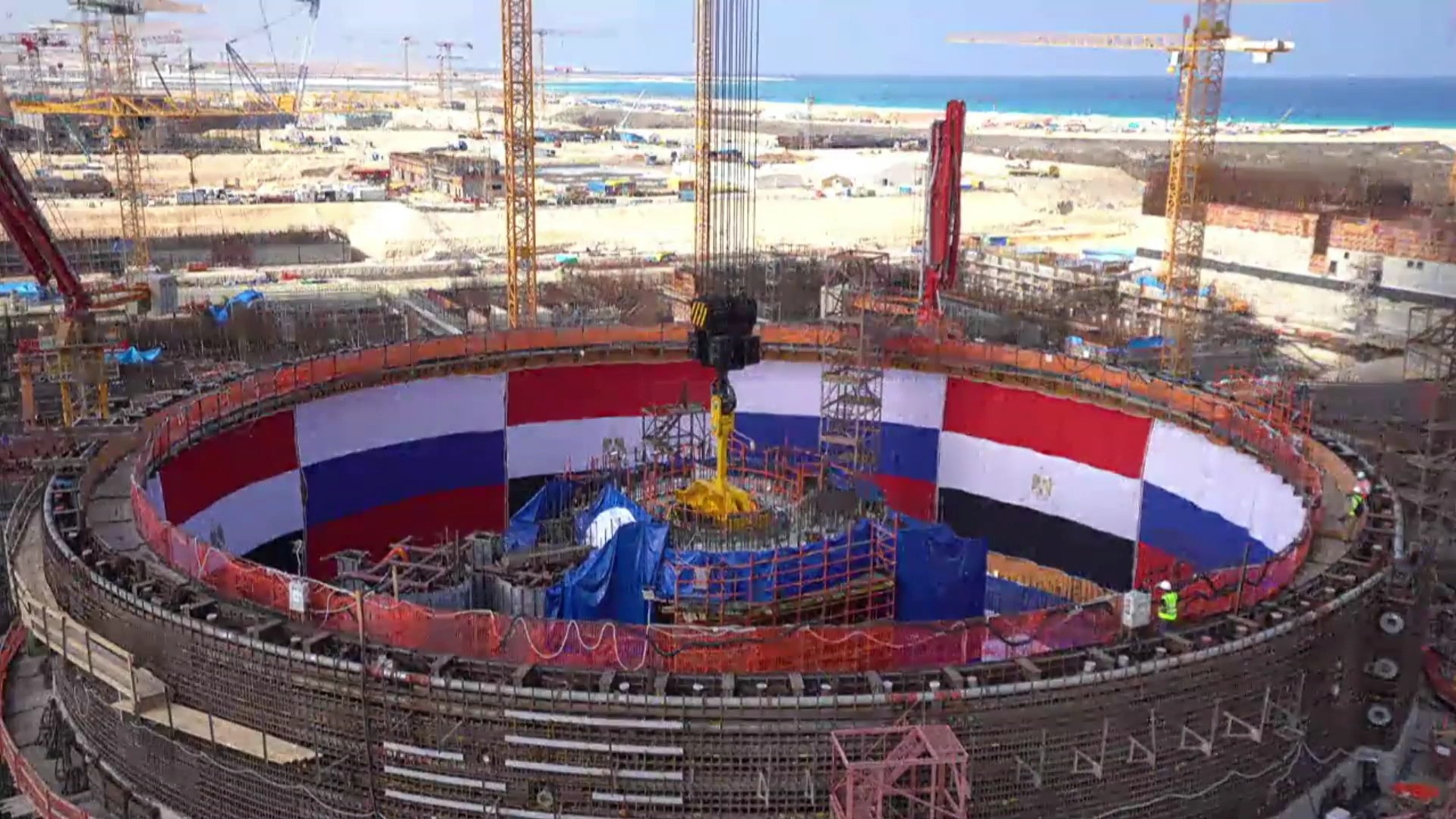
Just days after Egyptian nuclear authorities reportedly accused Rosatom of construction defects, poor management and vi...
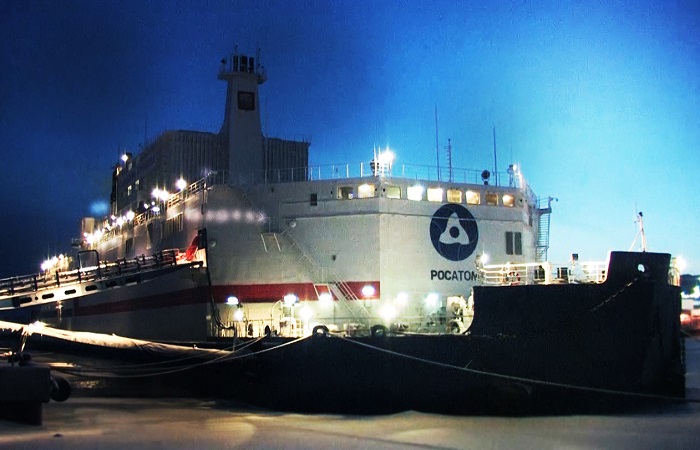
For years, the Akademik Lomonosov looked like one of the nuclear industry’s more eccentric experiments: two reactors mounted on a barge and tow...