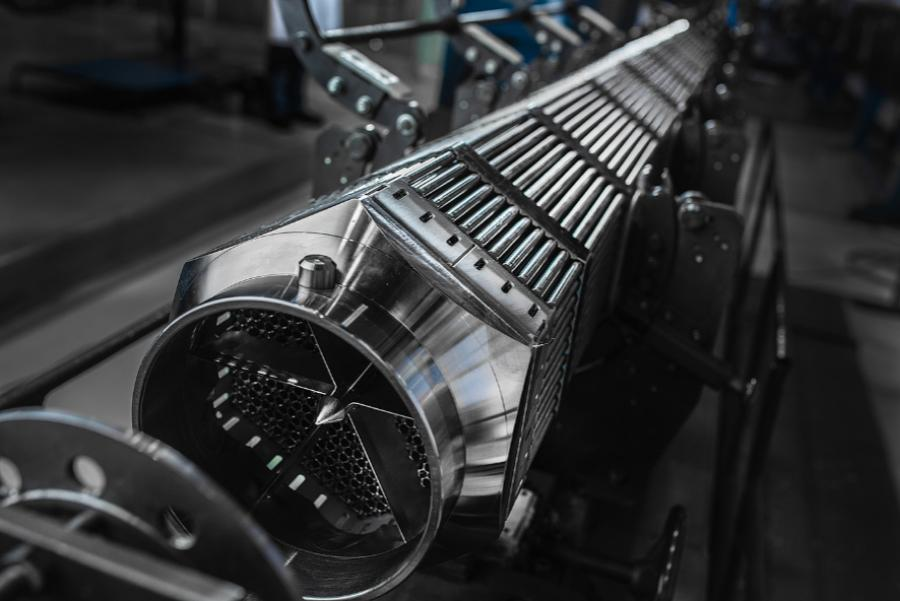
Germany wants independence from Russian nuclear fuel, using Rosatom as a bridge
Europe’s effort to break its dependence on Russian nuclear fuel has a paradox in Germany: making Russian-designed fuel without buying it from Russia ...
News

Publish date: July 22, 2015
News
There is overarching consensus over the fact that COP 21 should serve as a strict deadline for the attainment of a climate agreement if we are to have a chance of halting global temperature increase to 2°C. What is more, countries agree that the world needs a long-term goal to guide the ‘direction of travel’, as well as an agreement which features the following key elements: 1) clear rules on accountability and transparency; 2) sufficient flexibility to allow for the regular review (and if necessary, adjustment) of global climate ambitions; and 3) climate financing for both mitigation and adaptation measures.
While there is agreement on the above general elements, uncertainty remains over the exact definition or implementation of some of these. For instance, more work is needed on the definition of the long-term goal; how to reflect the ‘common but differentiated responsibilities’ principle into individual country pledges; how to ensure sufficient financial resources after 2020; as well as how legal of nature the deal will be and when it will enter into force.
New concise negotiating text expected
In February 2015 country representatives convened in Geneva, where they compiled an 89-page negotiating text composed of a list of proposals reflecting countries’ respective positions. Following the Bonn talks in June countries were able to cut down only 5% of this text. With pressure mounting, countries have set themselves 24 July as the deadline for delivering a new concise negotiating text in order to help move negotiations within the UNFCCC forward.
Next steps
With time to the crucial COP 21 ticking away, EU Environment ministers will gather in Luxembourg on 22-23 July 2015 to discuss the topic of climate finance: an important pre-requisite to getting developing countries on board and therefore a crucial element of a successful Paris agreement. The session will feature presentations by Hela Cheikhrouhou, Executive Director of the Green Climate Fund; Jonathan Taylor, Vice-President of the European Investment Bank (EIB); and Achim Steiner, Executive Director of UNEP.
Europe’s effort to break its dependence on Russian nuclear fuel has a paradox in Germany: making Russian-designed fuel without buying it from Russia ...
Nearly four and a half years after Russia’s full-scale invasion of Ukraine, July offered fresh evidence of how difficult it remains to disentangle Ru...
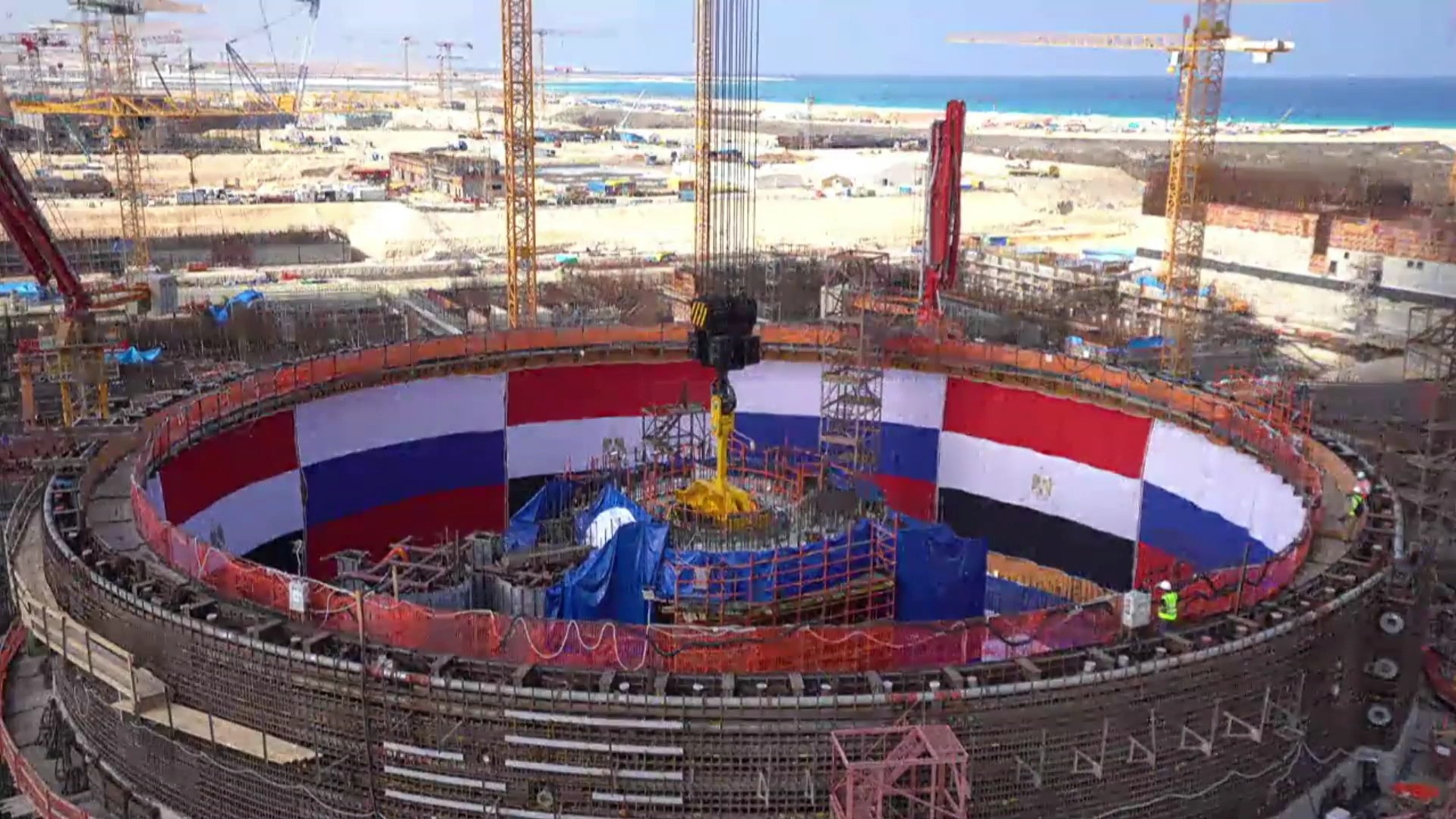
Just days after Egyptian nuclear authorities reportedly accused Rosatom of construction defects, poor management and vi...
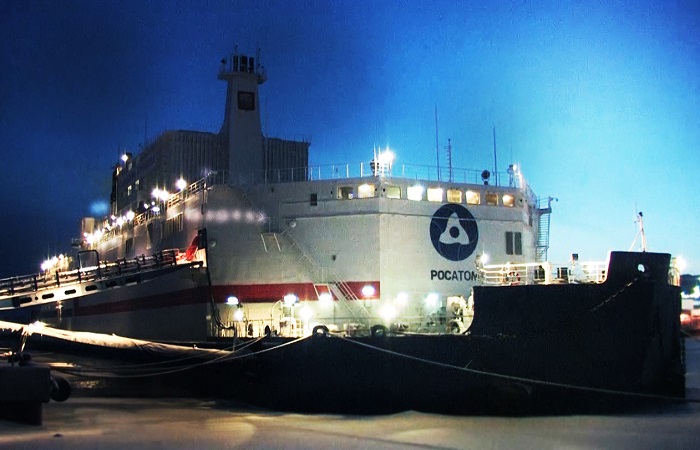
For years, the Akademik Lomonosov looked like one of the nuclear industry’s more eccentric experiments: two reactors mounted on a barge and tow...