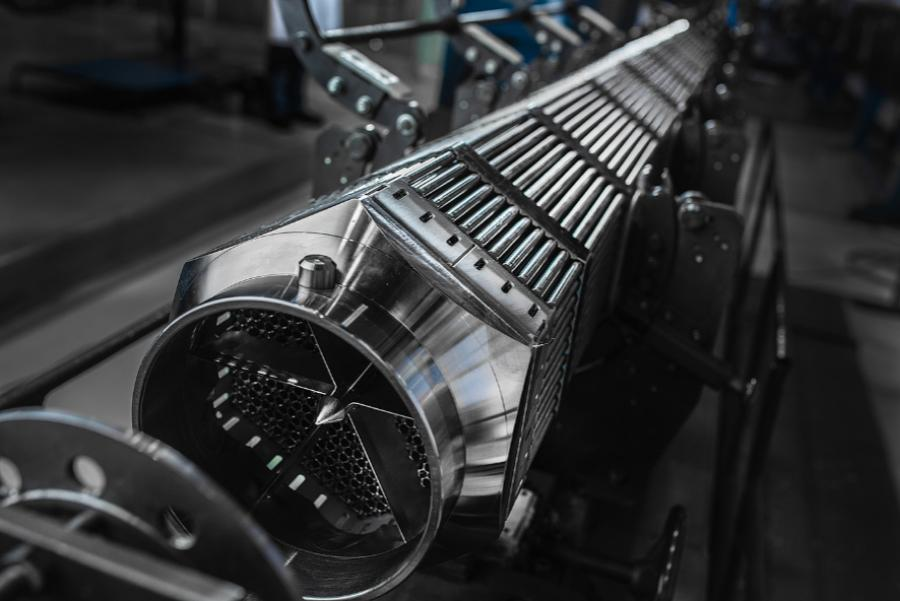
Germany wants independence from Russian nuclear fuel, using Rosatom as a bridge
Europe’s effort to break its dependence on Russian nuclear fuel has a paradox in Germany: making Russian-designed fuel without buying it from Russia ...
News
Publish date: March 20, 1998
Written by: Igor Kudrik
News
One of the key ingredients of (the) next summit meeting will be to build on our overall proliferation and arms control agenda and that certainly includes spelling out in greater detail and beginning the work on START-3. That can’t happen until START-2 is ratified by the Duma, quoted Reuters White House spokesman Mike McCurry.
The reaction from the State Duma was similar to the one pronounced earlier this year: the Russian parliament may consider the issue of ratification in the first part of 1998, giving no guarantee ratification will actually occur.
The START-II agreement, the acronym for the Strategic Arms Reduction Talks, was signed by the two presidents in January 1993, but only the U.S. Senate has ratified it so far. The treaty calls for reduction of the Russian nuclear strategic arsenal, down to 3250 nuclear warheads. In March 1997, the two presidents, at their meeting in Helsinki, agreed to prolong the time period for the dismantling operations from 2003 until December 31, 2007.
Europe’s effort to break its dependence on Russian nuclear fuel has a paradox in Germany: making Russian-designed fuel without buying it from Russia ...
Nearly four and a half years after Russia’s full-scale invasion of Ukraine, July offered fresh evidence of how difficult it remains to disentangle Ru...
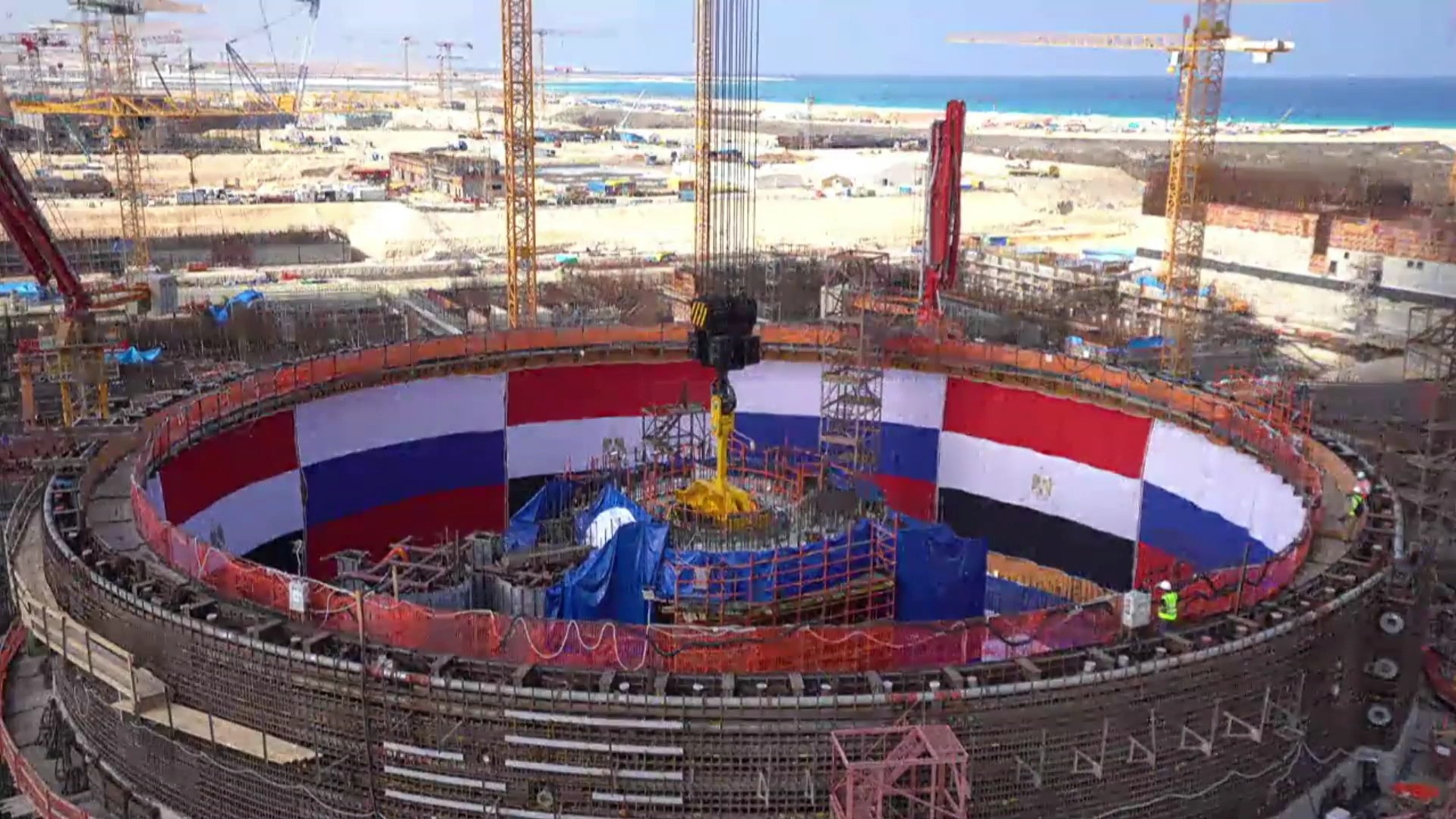
Just days after Egyptian nuclear authorities reportedly accused Rosatom of construction defects, poor management and vi...
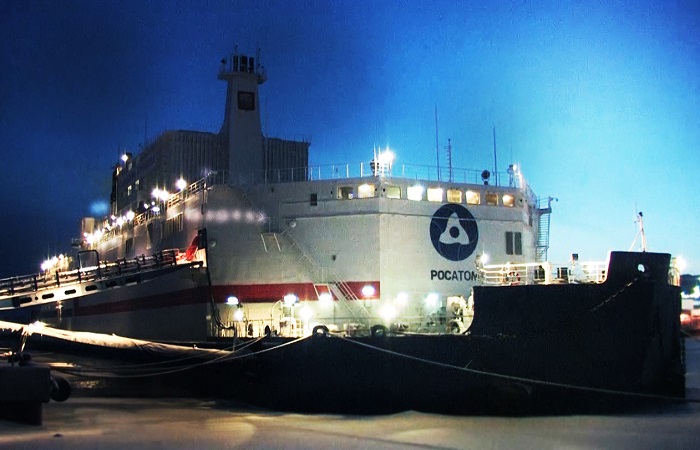
For years, the Akademik Lomonosov looked like one of the nuclear industry’s more eccentric experiments: two reactors mounted on a barge and tow...