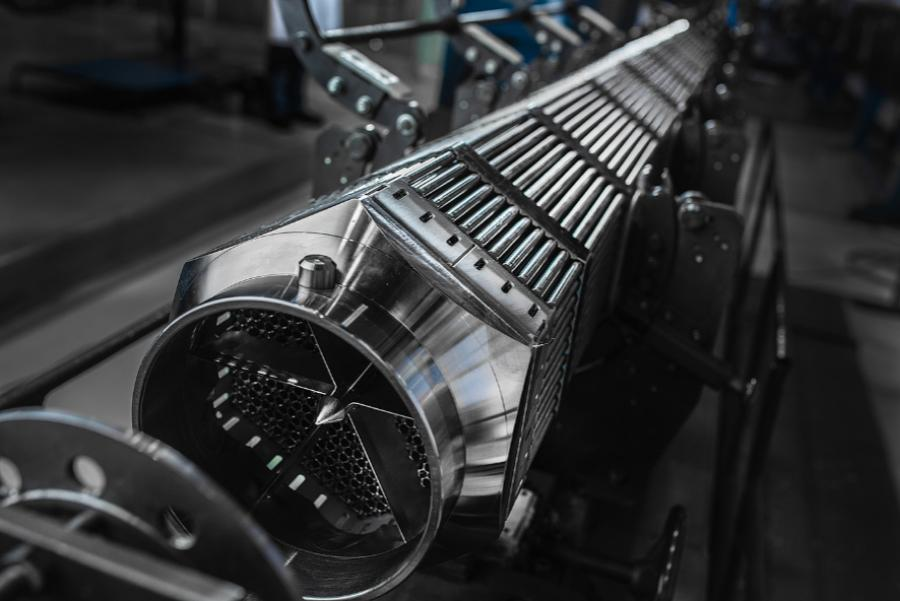
Germany wants independence from Russian nuclear fuel, using Rosatom as a bridge
Europe’s effort to break its dependence on Russian nuclear fuel has a paradox in Germany: making Russian-designed fuel without buying it from Russia ...
News
Publish date: June 6, 2003
News
Possibility of such failures is considered in the design, i.e. the plant is equipped with means, protections and interlocks, and the Technical Specification document specifies the failure indicators and personnel response actions.
The plant management made a decision to transfer the unit to annual refuelling and maintenance mode, which was planned initially for June 10th, 2003. A 0.5 cm hole in one of the pipes became the cause of the coolant leak from the first circuit. Specialists found out that 6 cubic meters of water leaked to the second circuit, where the coolant goes to the turbines. An out-of-schedule inspection of radiation situation was performed within monitoring area and at the plant site. No deviations from usual radiation background were observed. The event was rated by level 1 according to the International Nuclear Event Scale as one of the plant radiation barriers had failed.
Europe’s effort to break its dependence on Russian nuclear fuel has a paradox in Germany: making Russian-designed fuel without buying it from Russia ...
Nearly four and a half years after Russia’s full-scale invasion of Ukraine, July offered fresh evidence of how difficult it remains to disentangle Ru...
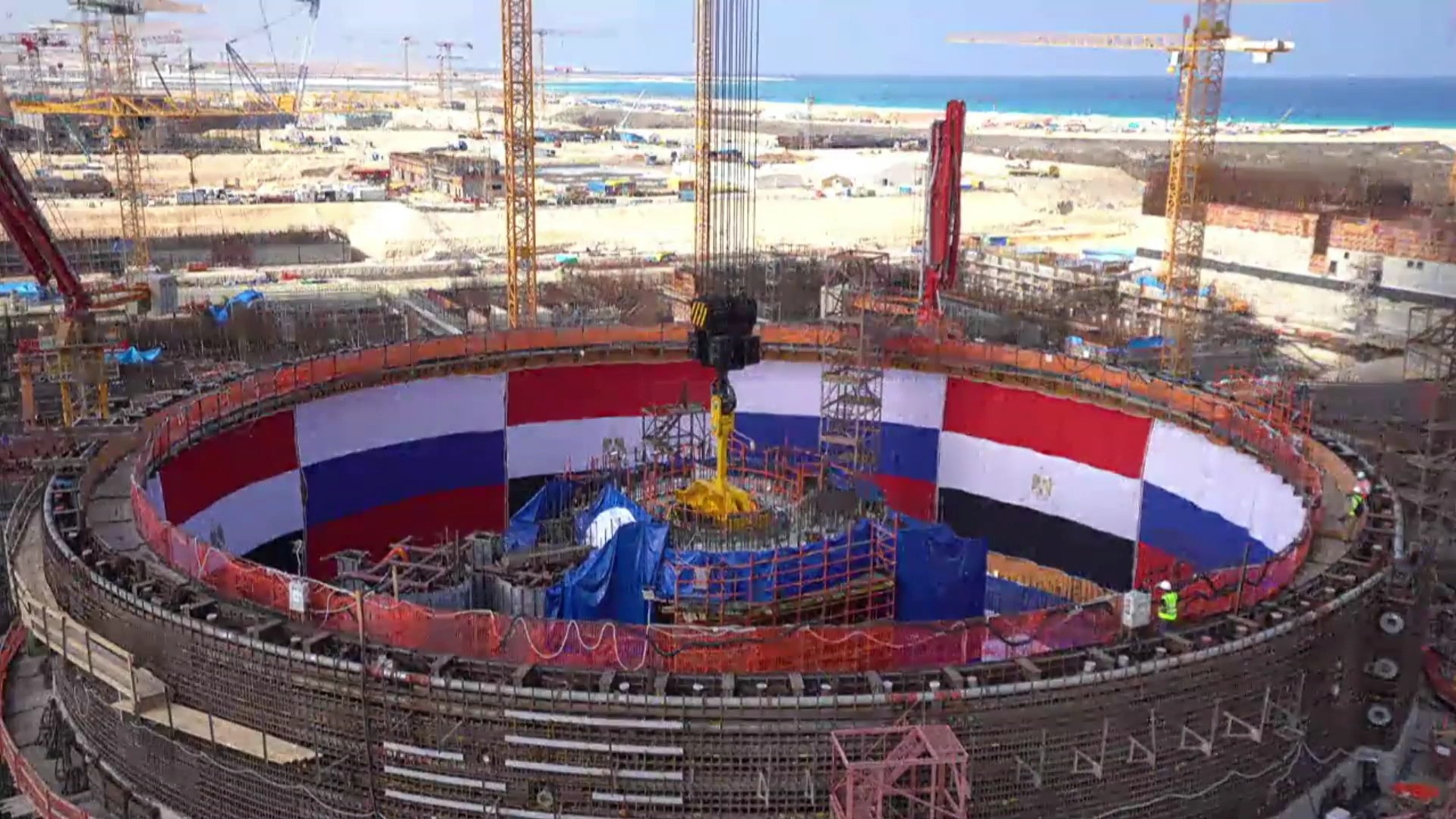
Just days after Egyptian nuclear authorities reportedly accused Rosatom of construction defects, poor management and vi...
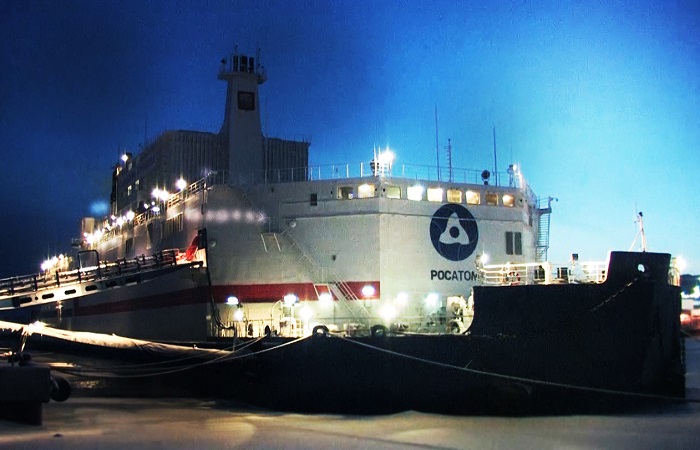
For years, the Akademik Lomonosov looked like one of the nuclear industry’s more eccentric experiments: two reactors mounted on a barge and tow...