
Germany wants independence from Russian nuclear fuel, using Rosatom as a bridge
Europe’s effort to break its dependence on Russian nuclear fuel has a paradox in Germany: making Russian-designed fuel without buying it from Russia ...
News
Publish date: August 11, 1997
Written by: Igor Kudrik
News
From July 31 till August 3, seven activists from the Chelyabinsk environmental movement "For Nuclear Safety" and local group "Techa" put the fate of village Muslyumovo and its 4,000 inhabitants on the agenda by sailing down the radioactively contaminated Techa river.
Situated some 30 km downstream of Mayak Chemical Combine, Muslyumovo is the only settlement left along the banks of the contaminated Techa river. Several other settlements were evacuated following huge radioactive discharges from the reprocessing plant in the early fifities.
124,000 people exposed
Following the development of more simplified techniques for the handling of liquid radioactive waste from reprocessing plants, and the concept of dilution as a principal method for disposal of such waste, large amounts of medium and high level liquid radioactive waste were discharged into the Techa River approximately 6 km below its source. Some 76 million m3 of liquid radioactive waste with a total beta activity of 100 PBq (2.75 MCi) was discharged into the Techa River, mainly in the period between March 1950 and November 1951; as a consequence of insufficient purification techniques.
About 124,000 people were exposed to higher levels of radiation as a result of these discharges. Several villages alongside the river were evacuated, while the inhabitants of certain others remained. Those residents who were evacuated had received effective radiation doses in the range of 0.35 Sv to 17 Sv.
Of the remaining people in the area, it was the 4,000 residents of Muslyumovo, the majority of whom are Tartars, who received the highest doses, averaging 2.8 Sv. The population has been subject to compulsory testing of blood and bone marrow since 1950, but the results were kept secret until 1992. When finally made public, the analyses indicates highly increased levels of various radiation-inducable diseases and ailments.
The fight for resettlement
In 1994, the administration of Chelyabinsk County passed a resolution to evacuate those of Muslyumovo’s inhabitants who had suffered the most, and to build a new village farther away from the Techa river. However, as a result of economic problems, nothing came out of the resolution.
Eventually, a new decree was signed on August 7 this year, calling for re-settlement of the whole village. It does not define any time limits, though; neither does it allocate any funds for the operation. Nevertheless, the decree does mean that the environmental groups of Chelyabinsk, after more than 7 years of fighting, have gained a solid lever when demanding that the county administration fullfills its obligations towards the Muslyumovo residents.
Europe’s effort to break its dependence on Russian nuclear fuel has a paradox in Germany: making Russian-designed fuel without buying it from Russia ...
Nearly four and a half years after Russia’s full-scale invasion of Ukraine, July offered fresh evidence of how difficult it remains to disentangle Ru...

Just days after Egyptian nuclear authorities reportedly accused Rosatom of construction defects, poor management and vi...
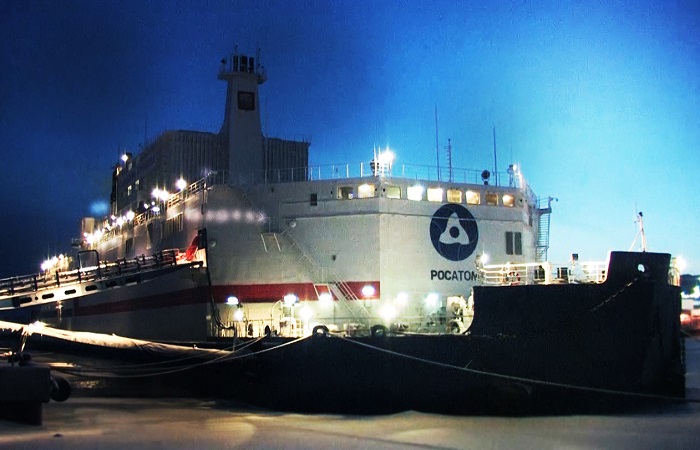
For years, the Akademik Lomonosov looked like one of the nuclear industry’s more eccentric experiments: two reactors mounted on a barge and tow...