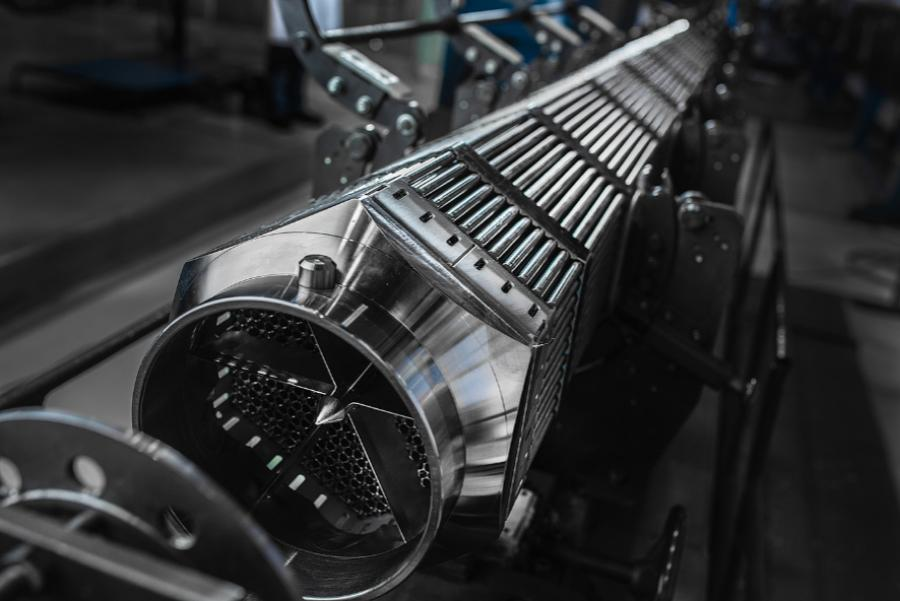
Germany wants independence from Russian nuclear fuel, using Rosatom as a bridge
Europe’s effort to break its dependence on Russian nuclear fuel has a paradox in Germany: making Russian-designed fuel without buying it from Russia ...
News
Publish date: March 9, 2004
News
Finally after all the delays the facility was put in operation at the Mayak plant in Ozersk, Chelyabinsk region in the South Urals. Its construction was launched back in 1995. A Russian-American joint executive group was managing the construction. The group consisted of the Russian Nuclear Ministry representatives, Mayak plant, VNIIPIET (St Petersburg), the South Ural Construction Department, the US Defense Ministry, US company Backtel. All-Russia Science Research Institute of Experimental Physics from Sarov was the science leader of the project. On December 10th, 2003, the Russian State Commission headed by nuclear vice-minister Ivan Kamenskih signed the official act of acceptance.
The facility consists of the module, two ventilation centres, an emergency diesel electric-power generator, a fire station, an administration building and a security service building. The facility can resist a plane crash, earthquake, and flood. The main module is made of concrete with 7meters thick walls and 8 meters thick lift slabs. The facilitys lifetime is 100 years and its price is $412m. The US Government paid the half of it. The fissile materials storage will be undergoing tests until the middle of 2004, then the loading operation will begin.
Europe’s effort to break its dependence on Russian nuclear fuel has a paradox in Germany: making Russian-designed fuel without buying it from Russia ...
Nearly four and a half years after Russia’s full-scale invasion of Ukraine, July offered fresh evidence of how difficult it remains to disentangle Ru...
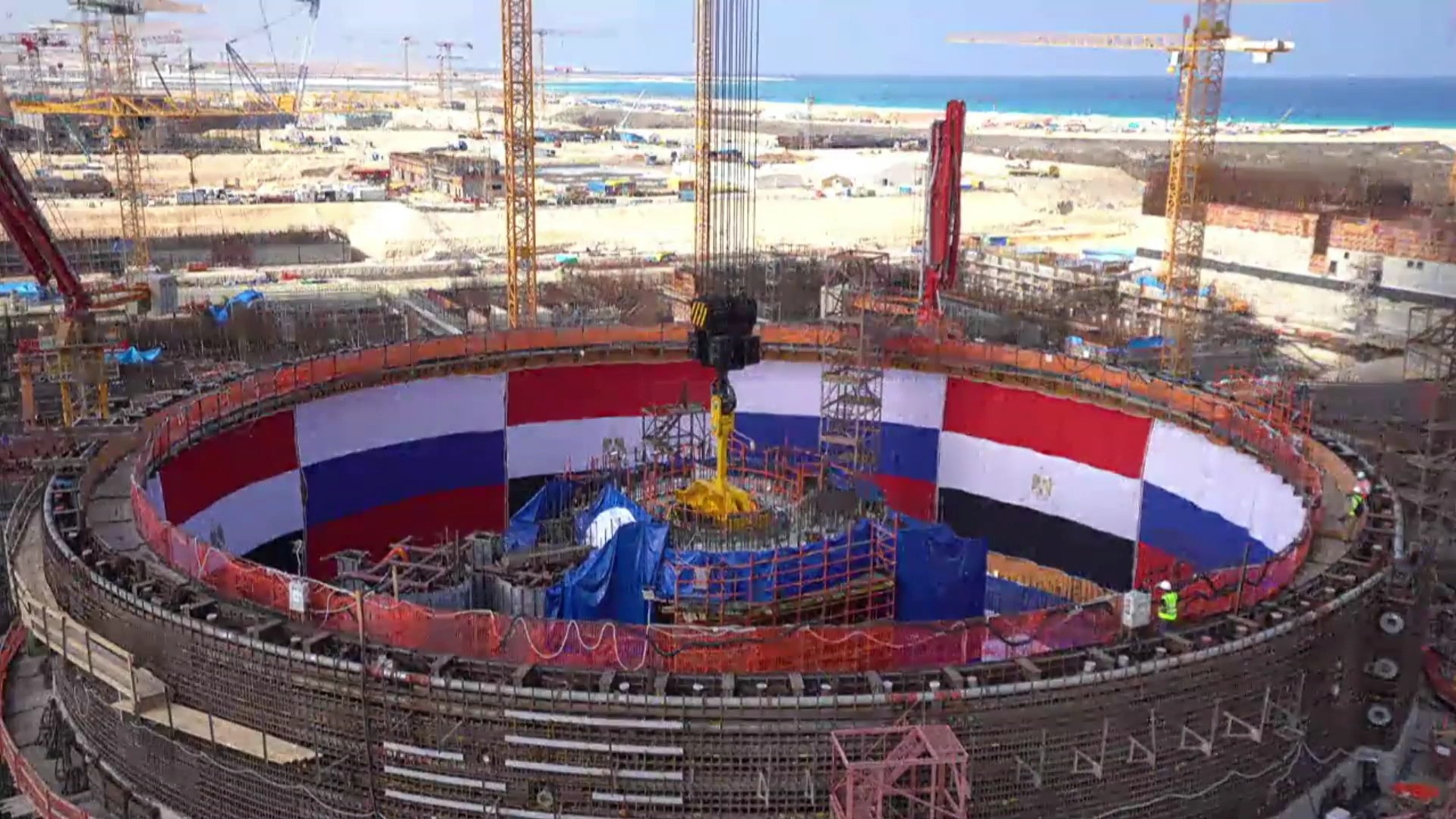
Just days after Egyptian nuclear authorities reportedly accused Rosatom of construction defects, poor management and vi...
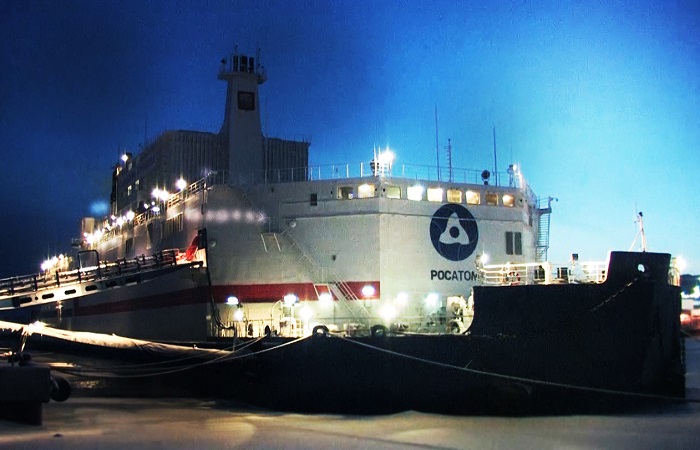
For years, the Akademik Lomonosov looked like one of the nuclear industry’s more eccentric experiments: two reactors mounted on a barge and tow...