
Europe’s Russian LNG Dilemma Deepens as Shadow Fleet Risks Mount in the Arctic
As the European Union tightens sanctions on Moscow, Russia’s Arctic energy exports continue to find buyers—and increasingly rely on opaque and potent...
News
Publish date: February 25, 1999
Written by: Igor Kudrik
News
Norway has begun a project which, from the Russian point of view, is the ideal form of co-operation with western partners – "you give us the money, we’ll do the job."
The project is designed to stop a radioactive brook from streaming radioactivity into the Litsa Fjord on the Kola Peninsula. Its source is a spent fuel facility in Andreeva Bay.
The idea is simple. Dig a trench around the storage facility (Building no. 5).The scheme was dreamt up by the St. Petersburg-based Vedeneev Scientific Research Institute for Hydrotechnics. But a lack of cash hampered its implementation. In August 1998, an agreement between Russia and Norway cleared the way for Norway to provide most of the funding. The project became part of the Norwegian Foreign Ministry’s ‘Plan of Action’ for nuclear safety issues. It’s the first part of a more comprehensive plan entitled Securing of the Spent Fuel Facility in Andreeva Bay. In all, NKr 6,429,600 (around US$817,000) were earmarked for the project in 1998. Trench digging work started that autumn and will continue this spring.
"We count on finalising the project by 1 September," Ludmila Amozova, head of radiation safety at the Murmansk Environmental Committee, told Bellona Web. Her department co-ordinates the Russian side of the project. The Committee receives Norwegian assistance for an Environmental Fund they manage. The money becomes a tax deduction.
Construction is supervised by the Engineering Centre for Environmental Safety in Zaozersk, a closed military city 10 kilometres from Andreeva Bay. Foreign observers are not involved in the work itself. Norwegian officials will be shown pictures showing the projects completion and the fate of their US$800,000 investment.
"Digging a trench is a simplified description of the project," Amozova explains. "This is a very complicated engineering construction."
"Officially we do support the project," says a Bellona source in the Navy.
"Unofficially – it is a waste of time and money. Digging the trench will not solve the problem. The radioactivity will remain there."
Despite being denied access to the site Norway has embarked on a plan of action which is just that. ‘Something had to be done’ is the sentiment expressed by the Norwegian government. When completed, the project should build trust and improve the prospects for future joint initiatives.
As the European Union tightens sanctions on Moscow, Russia’s Arctic energy exports continue to find buyers—and increasingly rely on opaque and potent...
A fundraising campaign launched by the Bellona Foundation has succeeded in securing the organization’s future and averting bankruptcy. ̶...
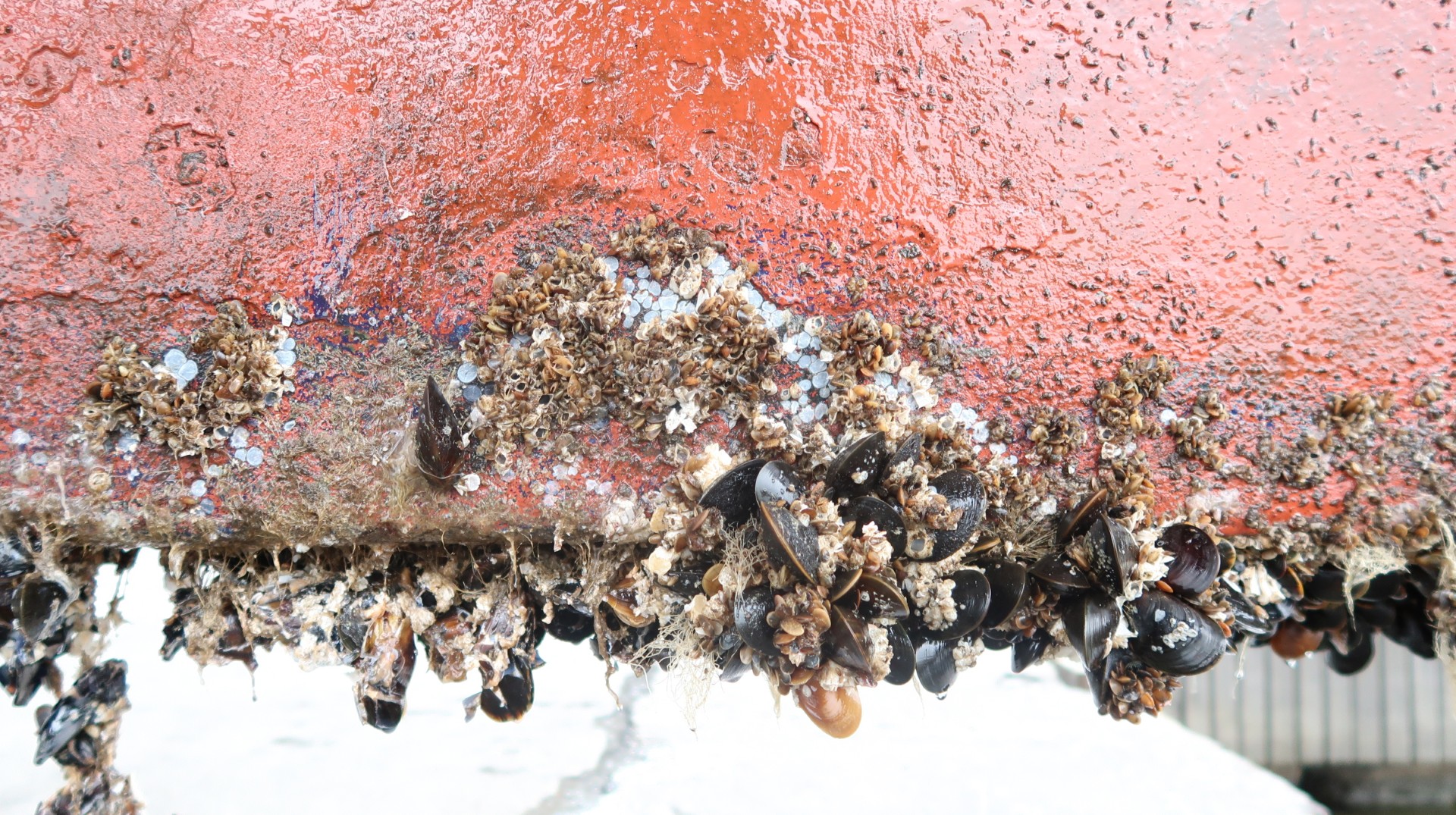
The shipping industry has a harmful secret—hiding just beneath the waterline. Barnacles, algae and microbial slime covering ship hulls may seem like ...

Last night, a Russian drone struck a spent nuclear fuel storage facility at Chernobyl. It is precisely this kind of event that Bellona has spent near...