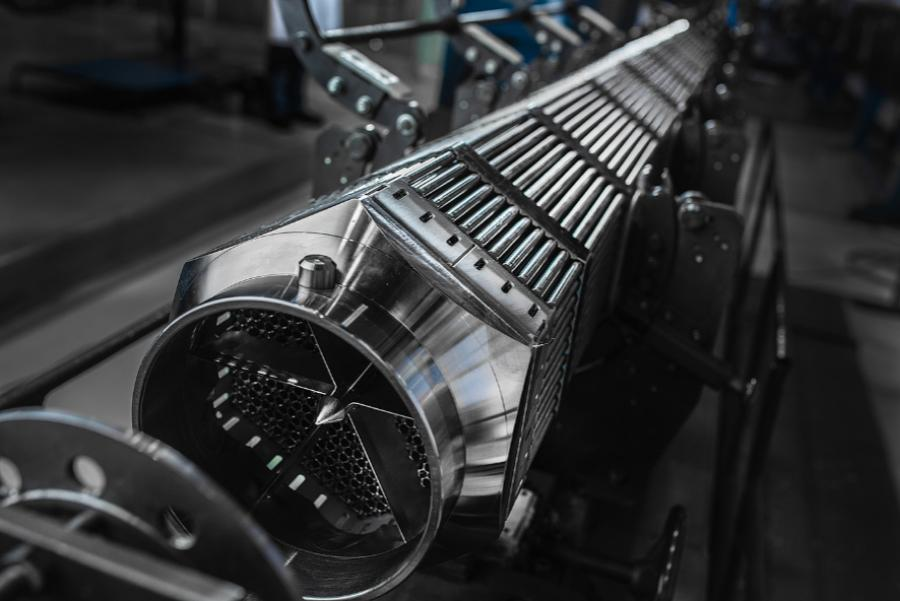
Germany wants independence from Russian nuclear fuel, using Rosatom as a bridge
Europe’s effort to break its dependence on Russian nuclear fuel has a paradox in Germany: making Russian-designed fuel without buying it from Russia ...
News
Publish date: April 16, 1998
Written by: Igor Kudrik
News
Some four years ago a trilateral co-operation was launched between the U.S., Norway and Russia to increase the capacity of an existing liquid radioactive waste (LRW) processing facility located at Atomflot – the Murmansk Shipping Company (MSC) operated base for nuclear-powered icebreakers in Murmansk.
The facility was scheduled to be commissioned by the end of 1997. The completion was postponed, as the price tag for the project increased by 750,000 USD, and problems related to the tax exemption for funds transferred to Russia remained unsolved. The new commissioning date was set as April 1.
In April, there was still no start-up. The commissioning was postponed for 6 more months.
According to the Norwegian Foreign Minister, only Norway has reached a tax exemption agreement with Russia on this particular project, while the counterparts in the U.S. have to use non-commercial institutions to transfer money for the facility. A number of organisational problems coursed funding delay, what postponed the commissioning of this facility till October this year.
The facility is currently capable of processing LRW of various degrees of activity, with an annual capacity of some 1200 cubic meters. Upon completion of the trilateral project, the capacity will have been expanded to 5000 cubic meters of LRW a year.
Europe’s effort to break its dependence on Russian nuclear fuel has a paradox in Germany: making Russian-designed fuel without buying it from Russia ...
Nearly four and a half years after Russia’s full-scale invasion of Ukraine, July offered fresh evidence of how difficult it remains to disentangle Ru...
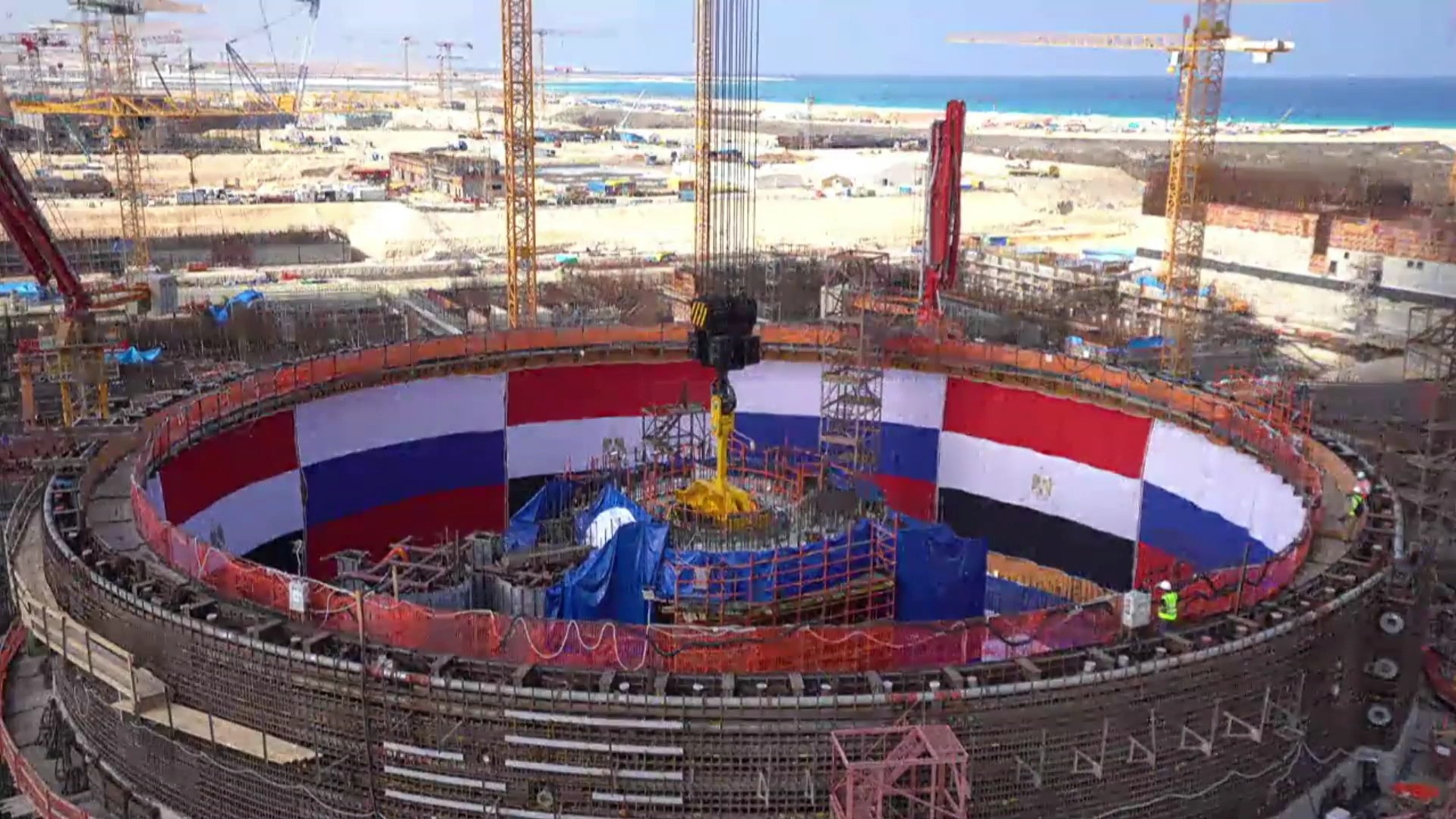
Just days after Egyptian nuclear authorities reportedly accused Rosatom of construction defects, poor management and vi...
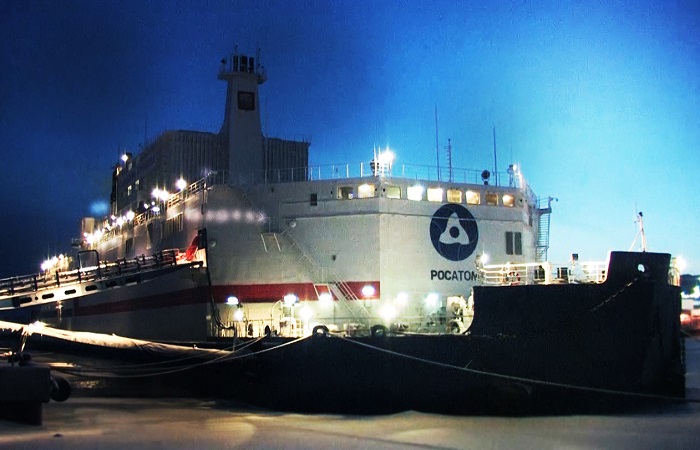
For years, the Akademik Lomonosov looked like one of the nuclear industry’s more eccentric experiments: two reactors mounted on a barge and tow...