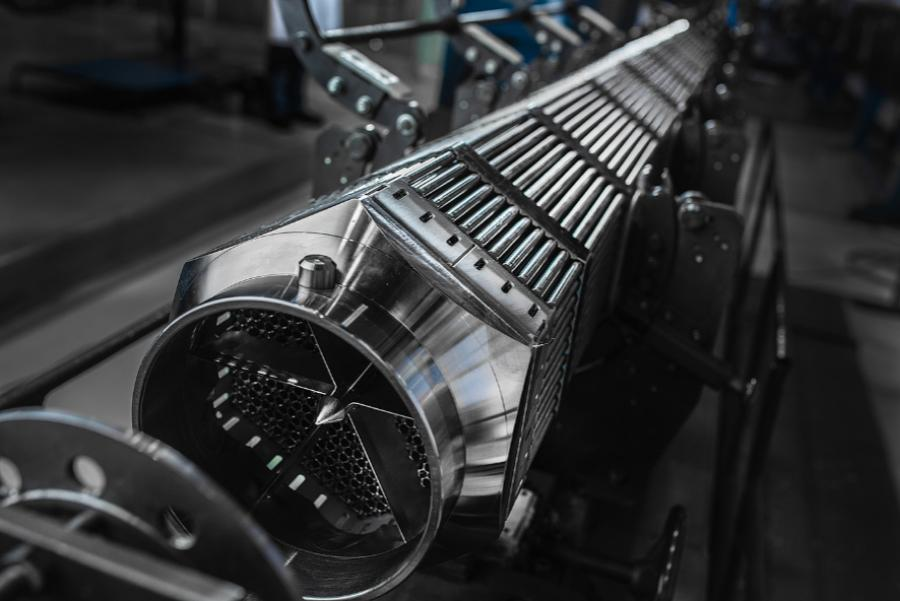
Germany wants independence from Russian nuclear fuel, using Rosatom as a bridge
Europe’s effort to break its dependence on Russian nuclear fuel has a paradox in Germany: making Russian-designed fuel without buying it from Russia ...
News
Publish date: February 3, 2006
News
Antipov also criticised foreign donors for failing to provide promised financing to decommission nuclear vessels. However, this fact does not have influence on the dismantling itself, he added. The money foreign donors failed to provide must be directed at restoration of military objects, former bases of the Russian Navy where radioactive waste is situated, as well as restoration of the contaminated territories. «This part of the problem is far more expensive (than the scrapping of the nuclear subs) and is more complicated to fulfil,» Antipov said.
The official said that Russia planned to scrap all the rest of its nuclear subs till 2010. Russia has obliged to allocate $600 million for the utilization and has allocated $200 million so far. Other countries that take part in the program have allocated $1 billion till the end of 2005.
Europe’s effort to break its dependence on Russian nuclear fuel has a paradox in Germany: making Russian-designed fuel without buying it from Russia ...
Nearly four and a half years after Russia’s full-scale invasion of Ukraine, July offered fresh evidence of how difficult it remains to disentangle Ru...
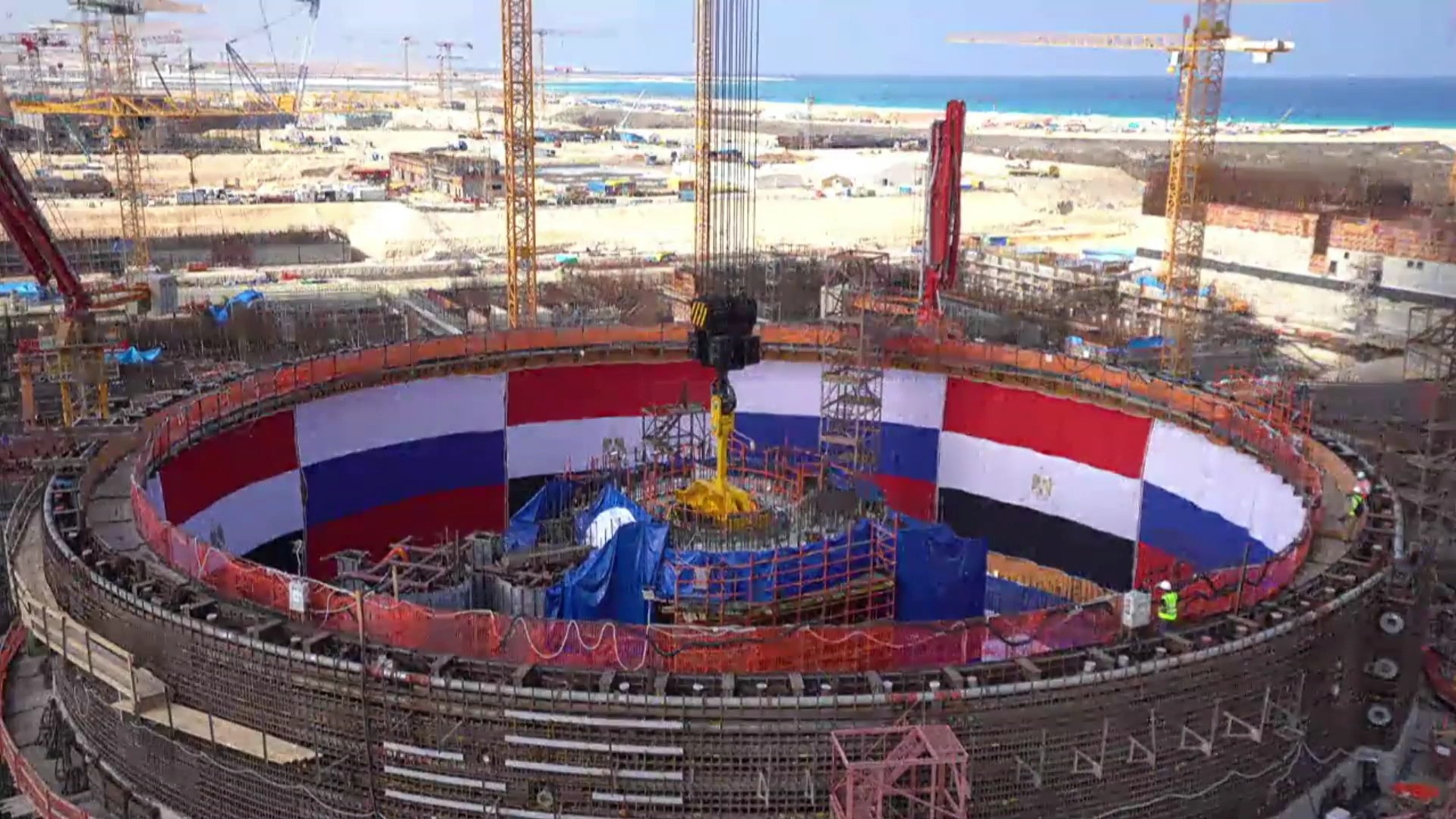
Just days after Egyptian nuclear authorities reportedly accused Rosatom of construction defects, poor management and vi...
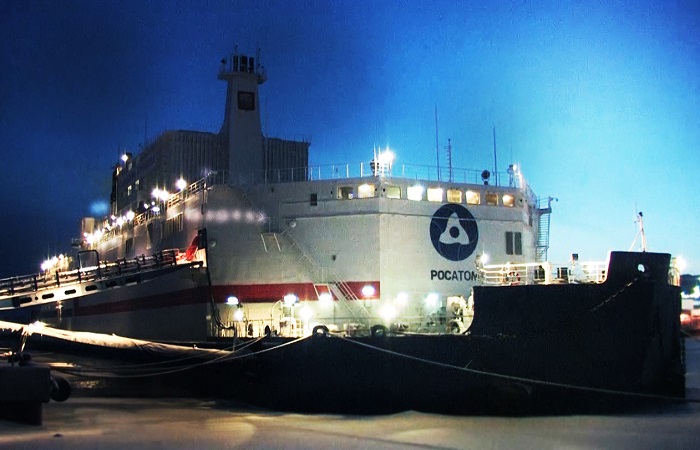
For years, the Akademik Lomonosov looked like one of the nuclear industry’s more eccentric experiments: two reactors mounted on a barge and tow...