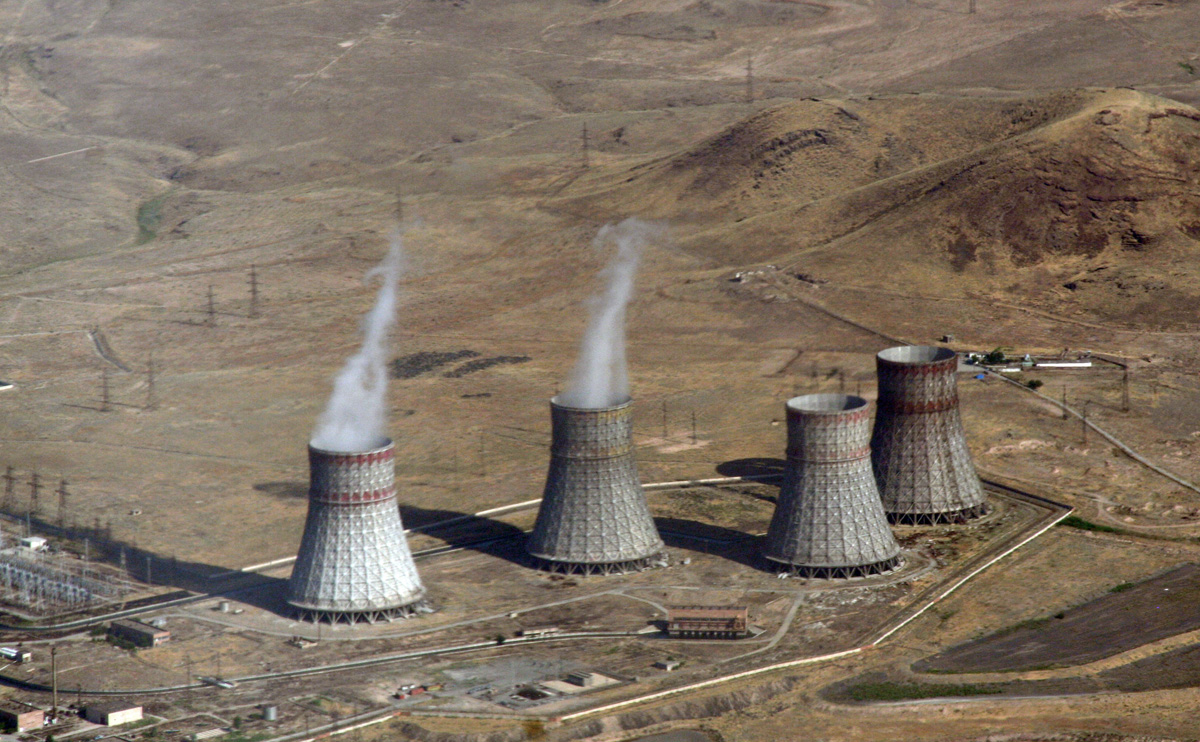
Armenia reconsiders nuclear future as Rosatom offers replacement for aging Soviet reactor
Armenia is reconsidering its plans for a new nuclear power plant after a fresh proposal from Russia’s state nuclear corporation Rosatom and a s...
News
Publish date: August 18, 2005
News
Rosatom’s Inspection for the management of decommissioning of nuclear and radiological installations completed examination of the construction progress of the facility at the Nerpa shipyard in Sayda bay on the Kola Peninsula and is satisfied with the results, Interfax reported.
At the moment the facility contains 9 retired nuclear submarines hulls and 48 reactor compartments, including the one from Kursk submarine. The piers in Saida bay have reached their capacity and cannot receive more reactor compartments what can significantly reduce the nuclear submarines dismantling progress. The new onshore facility will accommodate 120 reactor compartments.
The shipyards chief engineer Rostislav Rimdenok told Interfax news agency that the German partners have already delivered all the necessary equipment for construction works. The German specialists from IMG company are arriving at Nerpa in the end of August to adjust the hydraulic equipment. On September 9, the Russian-German technical committee will gather in Murmansk to discuss the technical issues of the project implementation.
Through its most prominent nuclear decommissioning contractor, Energiewerke Nord GmbH, or EWN, Germany will build an enormous 5.6 hectare warehouse type enclosure on the banks of Sayda Bay for onshore storage of the irradiated reactor compartments and hulls currently stored afloat in the bay. The Germans will also improve transportation and mechanical infrastructure for dealing with the reactor compartments. Sayda Bay, originally a fishing village just inside the Murmansk Fjord north of the Nerpa shipyard, was commandeered by the Russian Navy in 1990 as a storage site for irradiated submarine hulls and reactor compartments that the fleet cuts out of its retired subs. At the time, the Russian Navy estimated it could store its reactor compartments on the water at Sayda Bay for 10 years, during which, it was hoped, a more permanent solution would be found. Along with the construction of the warehouse itself, EWN will oversee the installation of some 70 special transport devices for the irradiated hulls and reactor compartments to move them to their new onshore berths.
Armenia is reconsidering its plans for a new nuclear power plant after a fresh proposal from Russia’s state nuclear corporation Rosatom and a s...

Russia’s state nuclear corporation Rosatom has taken full control of one of the country’s largest logistics companies, consolidating an expanding tra...
August brought signs of growing pressure on several fronts for Russia’s state nuclear corporation Rosatom, from questions surrounding major construct...
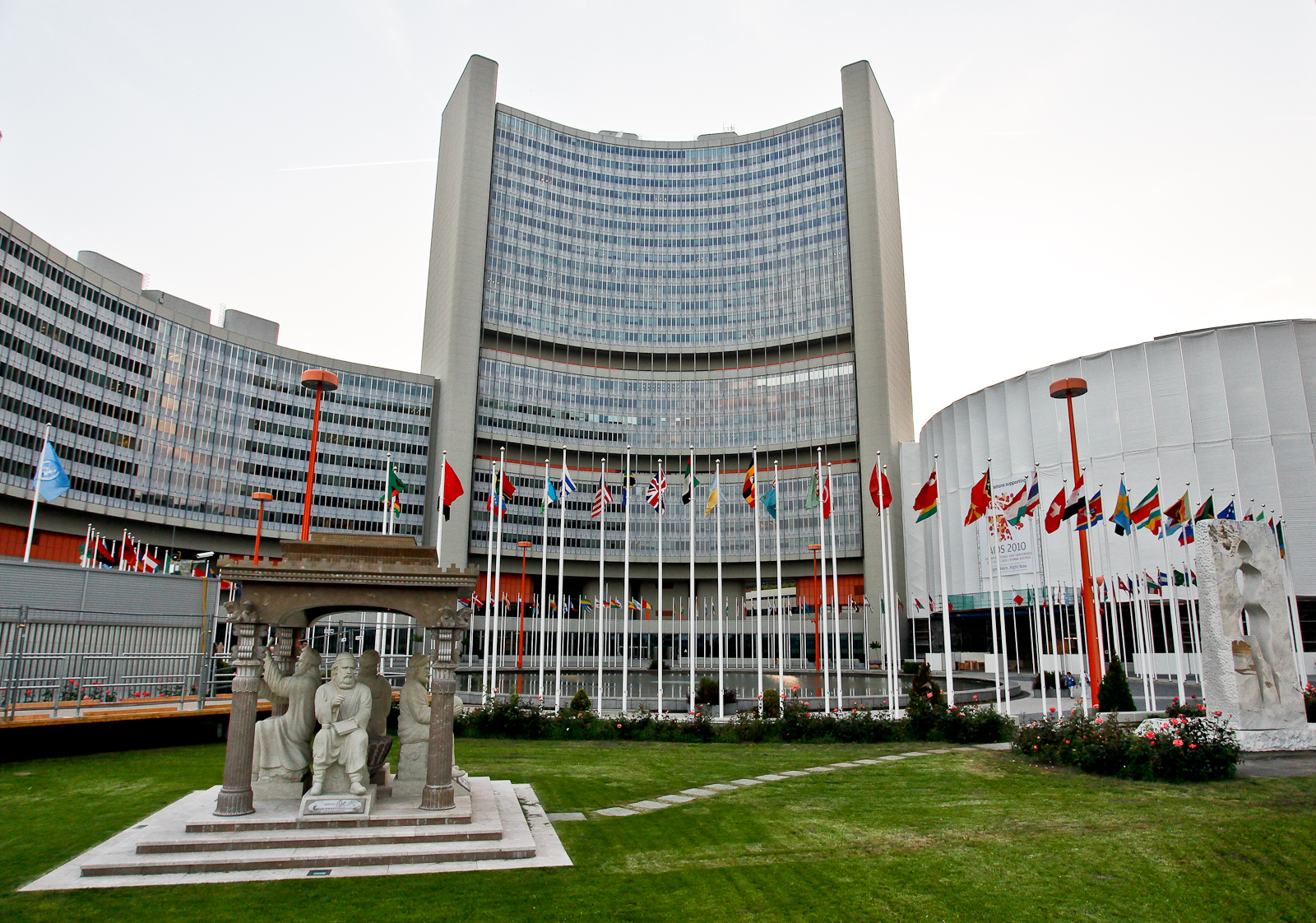
The International Atomic Energy Agency has suspended one of its most senior Russian officials — but for reasons largely unrelated to the questions ab...