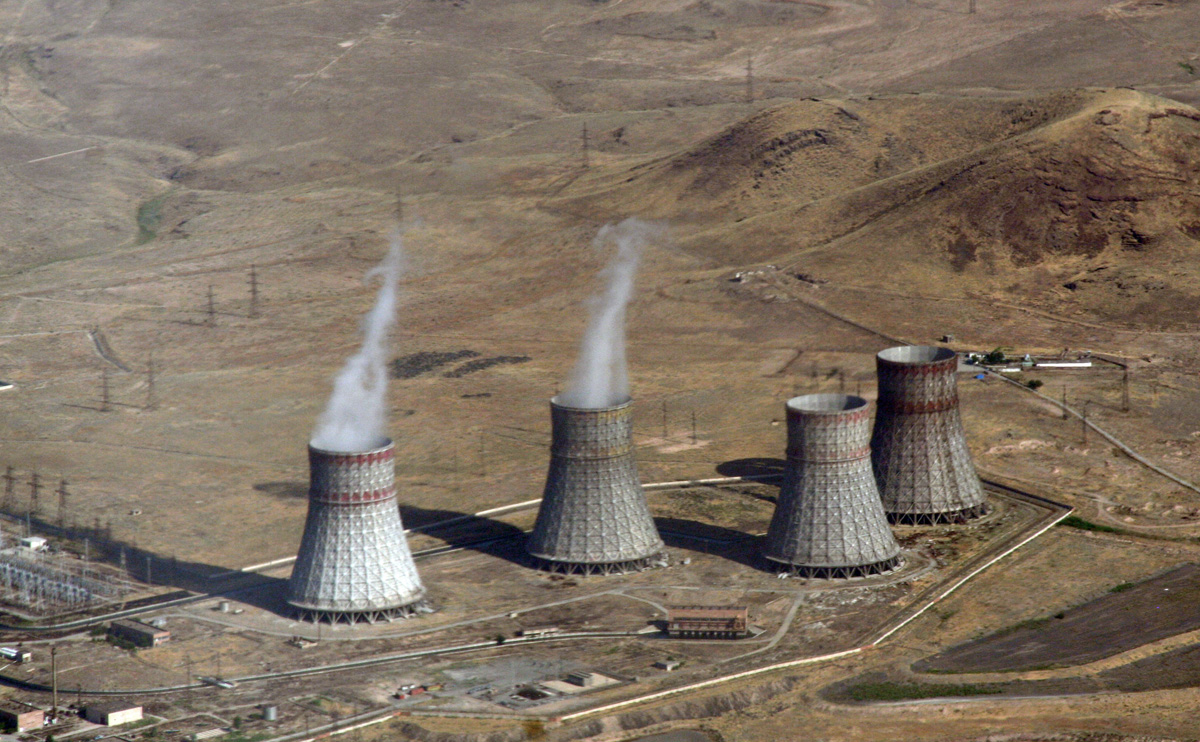
Armenia reconsiders nuclear future as Rosatom offers replacement for aging Soviet reactor
Armenia is reconsidering its plans for a new nuclear power plant after a fresh proposal from Russia’s state nuclear corporation Rosatom and a s...
News

Publish date: December 15, 1999
Written by: Igor Kudrik
News
The adviser to the British ambassador to the Russian Federation, Robert Mason, has arrived in Murmansk to meet local administration officials and managers of shipyards located at the Kola Peninsula. The main question to discuss – how to spend three million British pounds earmarked for nuclear cleanup in the region.
The British Foreign and Commonwealth Office pledged last year to spend three million British pounds to tackle nuclear safety issues at the Kola Peninsula. So far the initiative seems to have been hampered by the lack of concrete projects. Mason’s intention is to consult with the local officials to define such projects.
Mason was introduced to a number of proposals that from the local point of view are worth spending British money on.
Decommissioning plant at Nerpa
The first project concerns the completion of a submarine decommission plant at Nerpa shipyard at the Kola Peninsula that would include a land-based dock. The facility was scheduled for commissioning in 1996, but the construction was put on hold due to the lacking funding in June 1996. Nerpa, however, received a plasma torch for cutting the tempered steel hull plates of submarines through the American Co-operative Threat Reduction program. But officials at Nerpa have stressed that the torch cannot be engaged as planned as long as the decommissioning plant is not at place.
Spent fuel transport ship
The second proposal was to fund construction of a ship to transport spent nuclear fuel. The Northern Fleet operates two Malina-class spent fuel transporters, which are in a bad shape, and four barges, all of them virtually taken out of service. Discussions on supplying the Russian Navy with a support vessel for the transport of spent nuclear fuel started in 1995. Norwegian Kvaerner Maritime conducted a study and drafted the design, but the project did not move any further. Among the impediments cited was the lack of a liability agreement with Russia. The work was funded by the Norwegian Foreign Ministry which provided $423,000.

General-purpose subs off agenda
It appears funding of decommissioning of general-purpose nuclear submarines was taken off the agenda in negotiations with British Foreign Office representatives. Murmansk officials had brought up this issue late November this year, when the British General Consul visited Murmansk. The United States is currently funding the major part of decommissioning work on ballistic missile nuclear submarines in north-west Russia and in the Far East through the U.S.-Russian Co-operative Threat Reduction program, and is assessing the possibility to expand CTR to cover general-purpose subs. The general-purpose submarines are older than the strategic ones covered by CTR. Consequently, they pose a greater danger to the environment as they rust away while laid up at different bases in the Northern Fleet and the Pacific Fleet. The Russian government has no means in their own budget to decommission them, and the U.S. government is so far not satisfied with Russia’s justification for spending CTR money on the general-purpose subs. The latter are not considered by the U.S. Congress as a strategic threat to national security.
Armenia is reconsidering its plans for a new nuclear power plant after a fresh proposal from Russia’s state nuclear corporation Rosatom and a s...

Russia’s state nuclear corporation Rosatom has taken full control of one of the country’s largest logistics companies, consolidating an expanding tra...
August brought signs of growing pressure on several fronts for Russia’s state nuclear corporation Rosatom, from questions surrounding major construct...
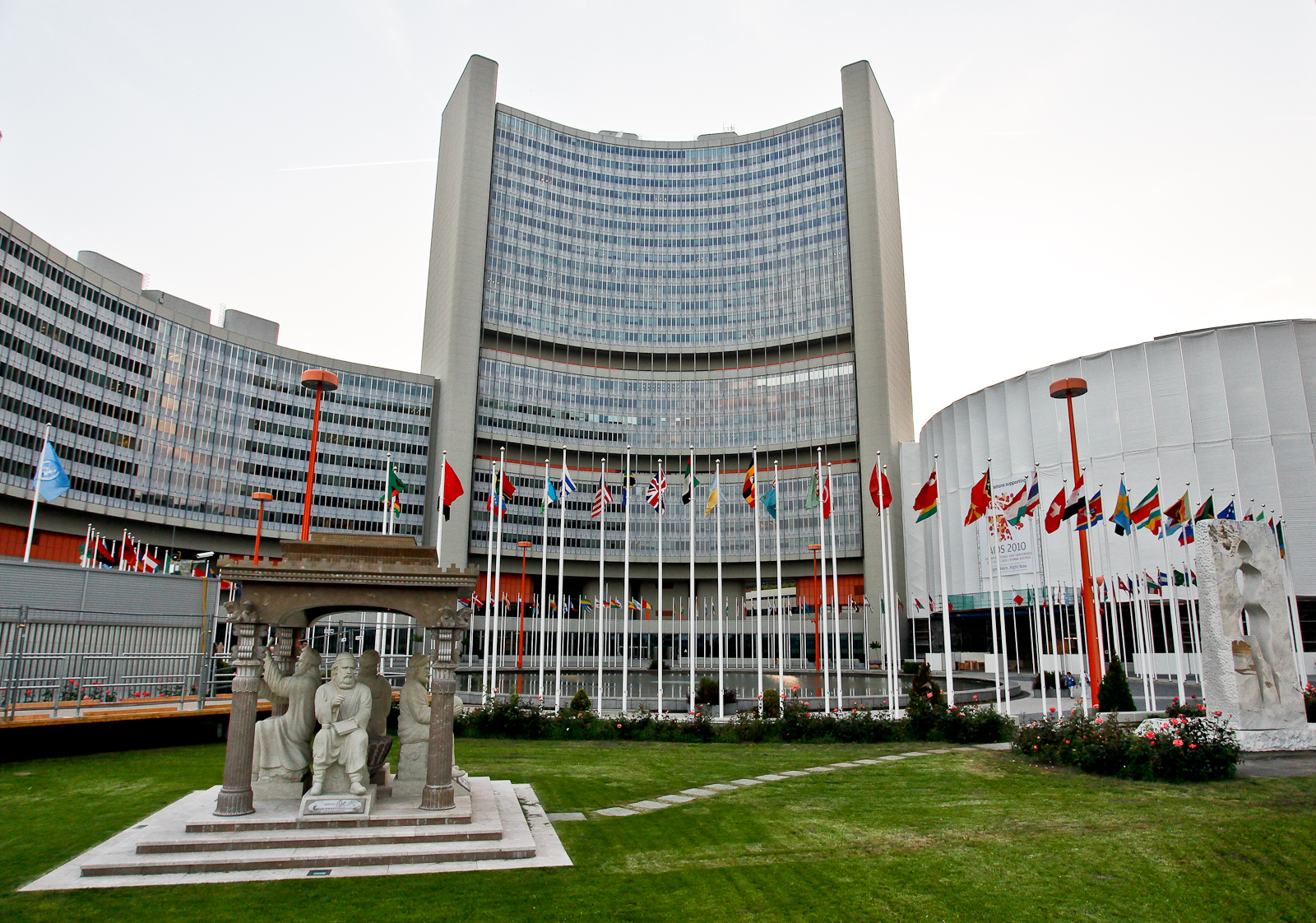
The International Atomic Energy Agency has suspended one of its most senior Russian officials — but for reasons largely unrelated to the questions ab...