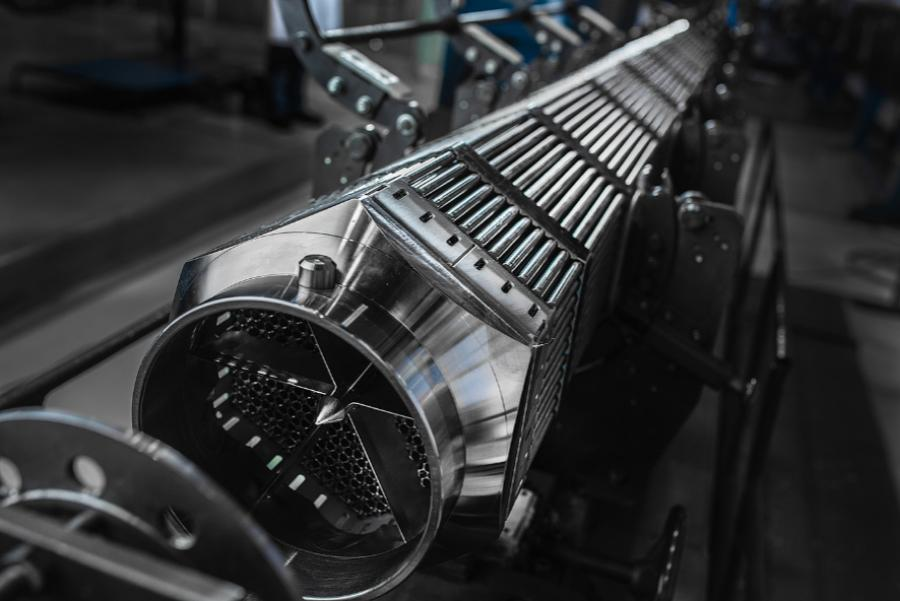
Germany wants independence from Russian nuclear fuel, using Rosatom as a bridge
Europe’s effort to break its dependence on Russian nuclear fuel has a paradox in Germany: making Russian-designed fuel without buying it from Russia ...
News
Publish date: April 22, 2005
News
In 2003 the taxi and bus lanes in Oslo were opened for electric vehicles as well. As a result, commuters and city-dwellers saw the benefits of getting around more easily in pollution-free electric cars. The demand for electric vehicles rose significantly as a result. Unfortunately, the supply of electric vehicles was at an all time low, due to the production stand-still at the Norwegian electric car maker, Think.
Nevertheless, the experiment was a success and the Norwegian government has now decided to extend this hassle-free commuting benefit to both electric and hydrogen car users in every Norwegian city. It is likely that this travel benefit will mean more to the car consumers than even the recently issued tax-relief for hydrogen fuel cell vehicles, though the two measures are an excellent compliment.
The disadvantage of low availability of filling stations, expensive vehicles and their short range is likely outweighed by the advantage of easy and drastically increased accessibility. The contour of an early market for hydrogen vehicles is thus emerging in Norway.
Europe’s effort to break its dependence on Russian nuclear fuel has a paradox in Germany: making Russian-designed fuel without buying it from Russia ...
Nearly four and a half years after Russia’s full-scale invasion of Ukraine, July offered fresh evidence of how difficult it remains to disentangle Ru...
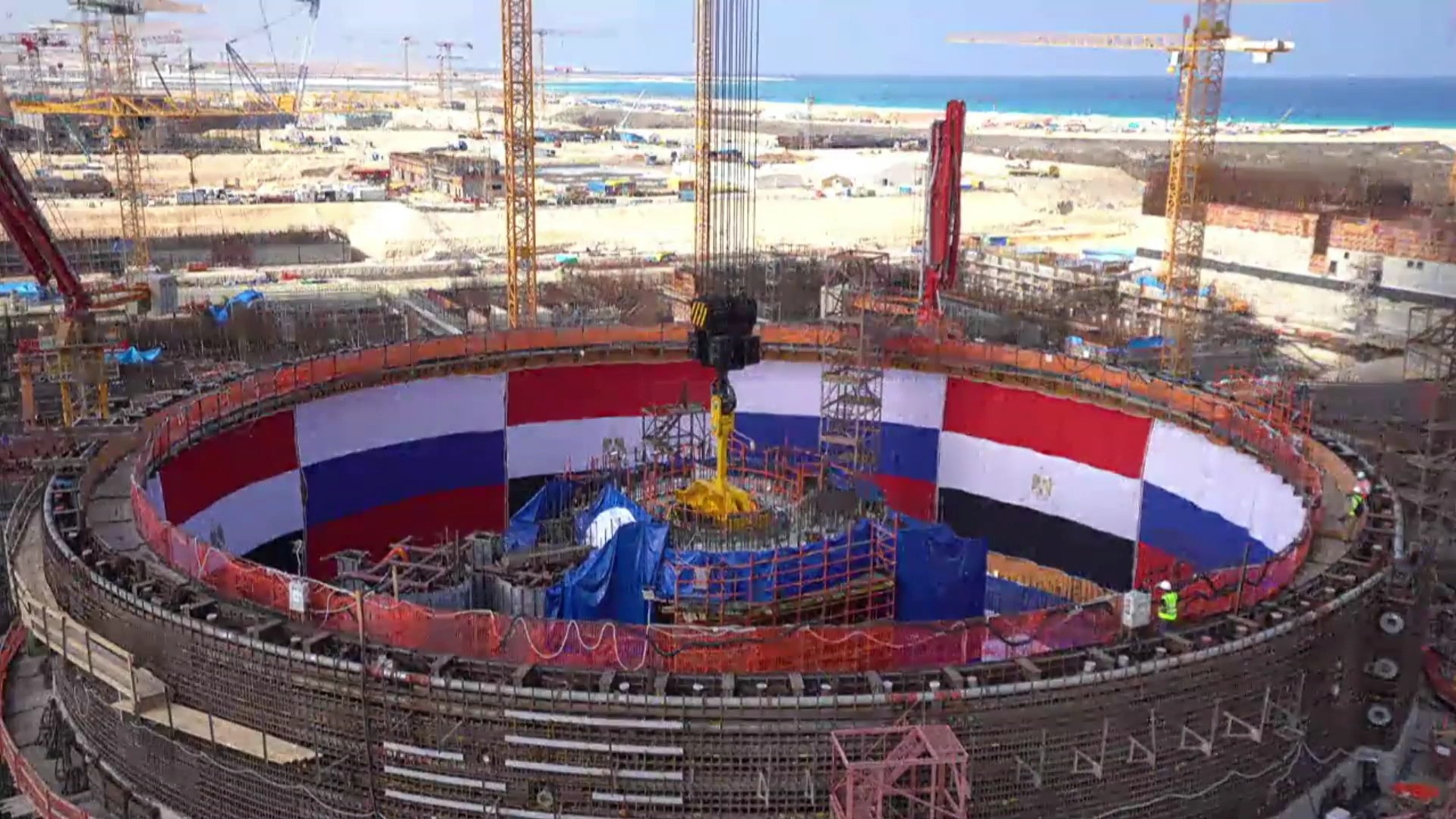
Just days after Egyptian nuclear authorities reportedly accused Rosatom of construction defects, poor management and vi...
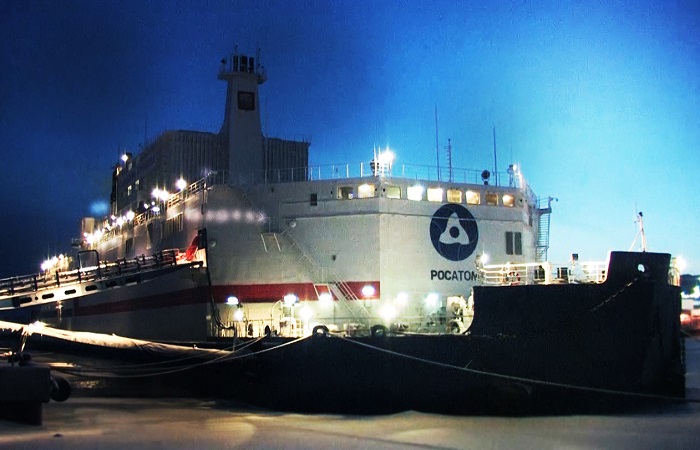
For years, the Akademik Lomonosov looked like one of the nuclear industry’s more eccentric experiments: two reactors mounted on a barge and tow...