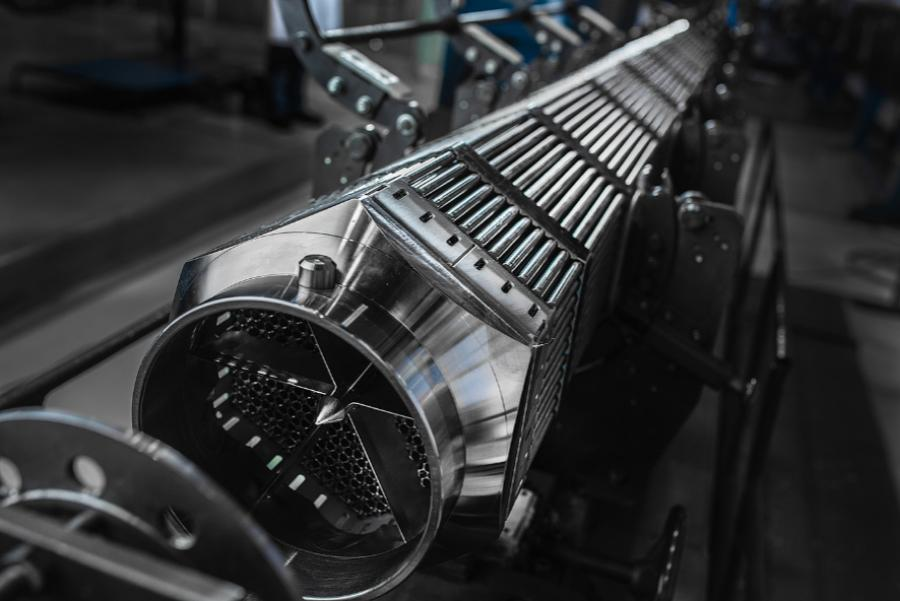
Germany wants independence from Russian nuclear fuel, using Rosatom as a bridge
Europe’s effort to break its dependence on Russian nuclear fuel has a paradox in Germany: making Russian-designed fuel without buying it from Russia ...
News

Publish date: January 14, 2000
Written by: Thomas Nilsen
News
Just one month after the last threats to go on strike, the employees at Leningrad nuclear power plant have delivered another ultimatum to their superiors: A salary raise by Tuesday or the strike will start. The lowest monthly salary for the plant’s operators is 733 rubles (some $27). An even bigger problem is that the salaries are not paid on regularly basis.
The conflict regarding payment between the workers of the nuclear power plant and its management contains nothing new. Back in 1996, the first strike ever at a Russian nuclear power plant was arranged at Leningrad NPP when a number of employees occupied one of the four reactor halls. Since then, strikes and strike threats have followed the plants cash-stripped economy as a shadow.
The St. Petersburg Times writes today that the plants earnings dropped in the forth quarter of 1999, compared to those in the third quarter. Another problem is that the clients of Leningrad nuclear power plant can not pay their debts in cash. As much as 90 percent of the debts is fixed by various kinds of barter agreements bills of exchange or shares.
Representatives of the trade union refer to their employee contracts for the year 2000 where it is stated that they should have a 22 percent increase in their monthly salaries. Plant officials say they might be able to give a maximum of 10 percent, which in fact is no more than the recent days’ devaluation of the Russian ruble.
Should the parties reach no agreement by Tuesday, the union says most of the 6,100 employees will go on strike. A minimum number of staff will be on call at the plant for safety reasons.
Leningrad nuclear power plant is located around 80 kilometres outside of St. Petersburg. It operates four RBMK-1000 reactors.
Europe’s effort to break its dependence on Russian nuclear fuel has a paradox in Germany: making Russian-designed fuel without buying it from Russia ...
Nearly four and a half years after Russia’s full-scale invasion of Ukraine, July offered fresh evidence of how difficult it remains to disentangle Ru...
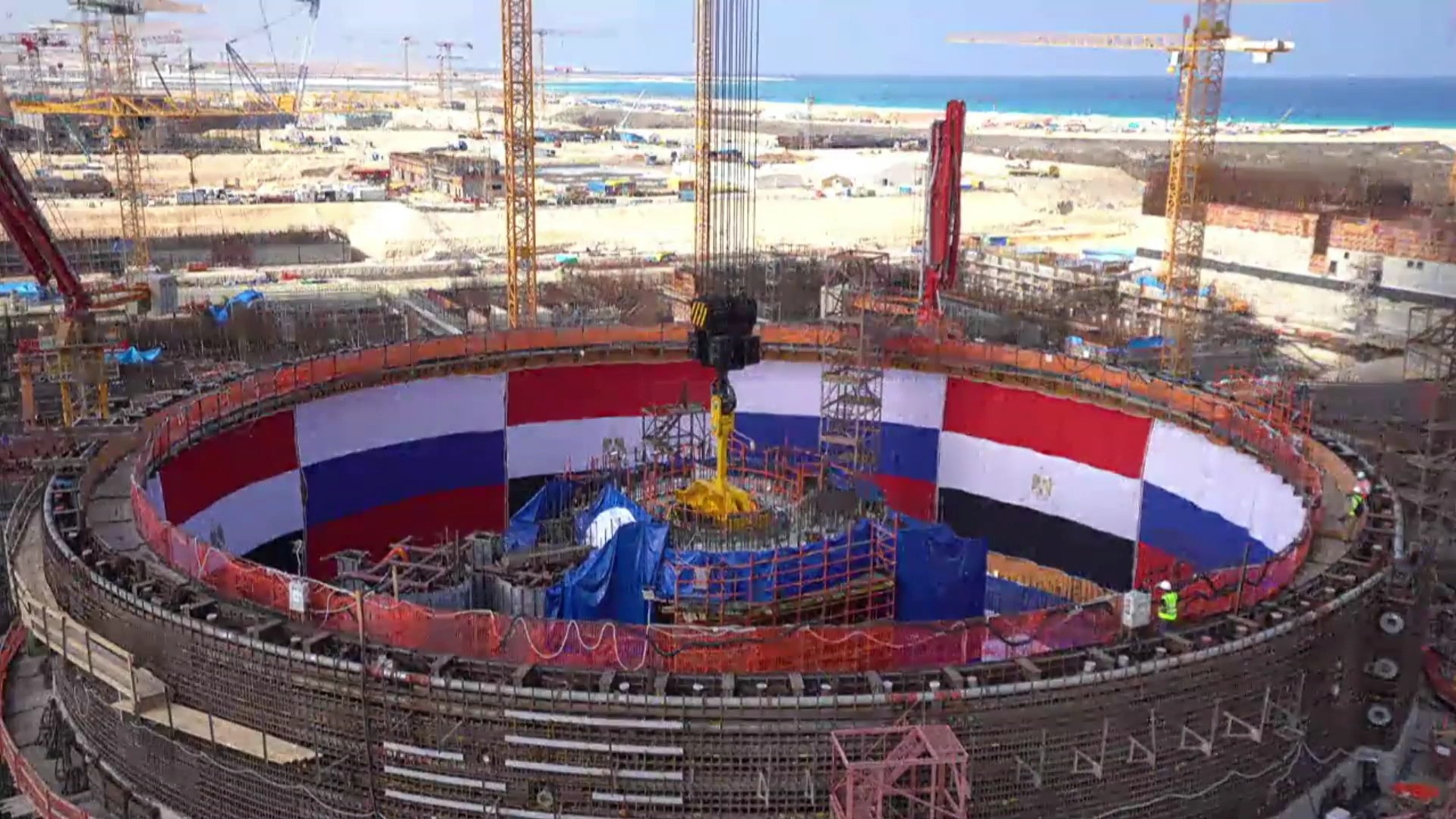
Just days after Egyptian nuclear authorities reportedly accused Rosatom of construction defects, poor management and vi...
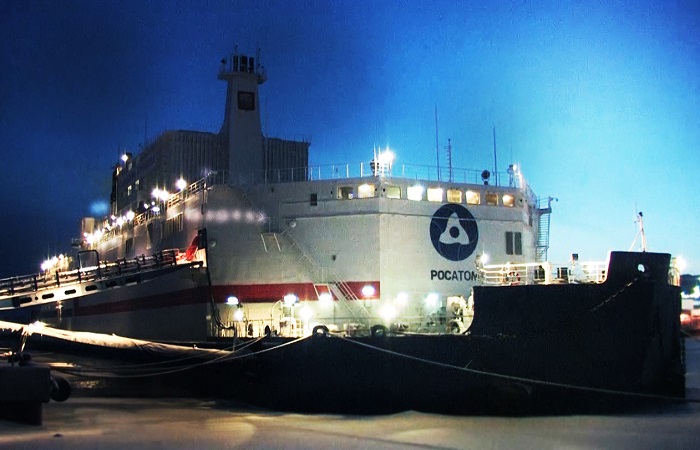
For years, the Akademik Lomonosov looked like one of the nuclear industry’s more eccentric experiments: two reactors mounted on a barge and tow...