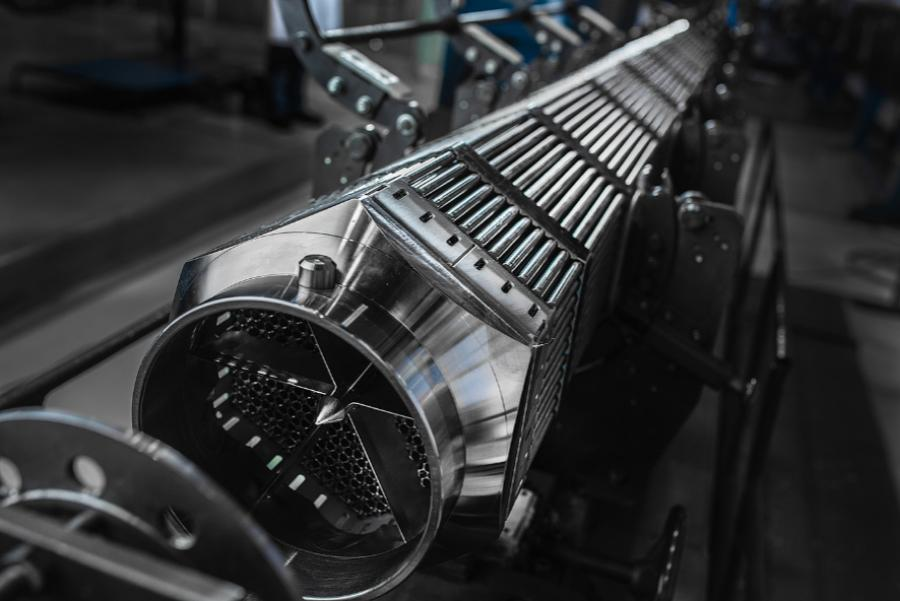
Germany wants independence from Russian nuclear fuel, using Rosatom as a bridge
Europe’s effort to break its dependence on Russian nuclear fuel has a paradox in Germany: making Russian-designed fuel without buying it from Russia ...
News
Publish date: March 3, 1997
Written by: Igor Kudrik
News
Plans exist for two new nuclear power plants on the Kola Peninsula. The first one is to be located eight kilometers from the currently operating Kola Nuclear Power Plant in Polyarnye Zori. The KNPP-2 will consist of three VVER-640 reactors. Construction works was started on the KNPP-2 in 1991, but has proceeded in slow motion due to a lack of financing. The estimated cost of the KNPP-2 amounts to 5.5 billion US dollars.
The second plan comprises an underground nuclear power plant on the premises of Nerpa Naval Repair Yard (in the closed city Snezhnogorsk). The underground reactor installations, developed by Krylov Scientific Institute in St. Petersburg, will be similar to those used on the submarines. According to the design sketches, the reactors will be located in four air-tight and 80 meters long tunnels. The thermal power output of the plant will be 700 MW, while the electric power output will be 300 MW. The construction works will take some 3-4 years. The estimated construction cost is more than 400 million US dollars. As an alternative to the underground plant, it was proposed to use a floating nuclear power plant with two reactors of KLT-40-S type (a design based on the installations used onboard the nuclear-powered ice-breakers). Both of the latter projects exist only on paper, no detailed research has been carried out due to the lack of funding.
In 1991 a fund was set up to raise money for Kola NPP-2. The fund marketed itself last year, trying to convince the major energy consumers (i.e. the metalurgical industry) to deliver money to the fund. The factories responded by paying some symbolic sums, effectivily excluding themselves from participation in the investment campaign.
In February this year there was a new meeting related to the funding of both Kola NPP-2 and the underground nuclear power plant in Snezhnogorsk. It was decided to transform the Fund created in 1991 into an investment company, incorporating the scientific institutions which developed the KNPP-2 reactors, Kola Nuclear Power Plant, and some of the metalurgical companies on the Kola Peninsula. So far the company has been less than successful, with current funds available amounting to 64,800 US dollars only.
The current energy production on the Kola Peninsula is approx. 20 TWh/year,12 TWh of which is produced by the Kola Nuclear Power Plant, while some 8 TWh is delivered by 17 hydro- and 5 fossil fueled power plants.
References:
Sergey Filippov, working notes, Bellona-Murmansk, 1997-03-03
"Murmansky Vestnik", 1997-02-12
"Murmansky Vestnik", 1997-02-28
"Murmansky Vestnik", 1997-02-25
Europe’s effort to break its dependence on Russian nuclear fuel has a paradox in Germany: making Russian-designed fuel without buying it from Russia ...
Nearly four and a half years after Russia’s full-scale invasion of Ukraine, July offered fresh evidence of how difficult it remains to disentangle Ru...
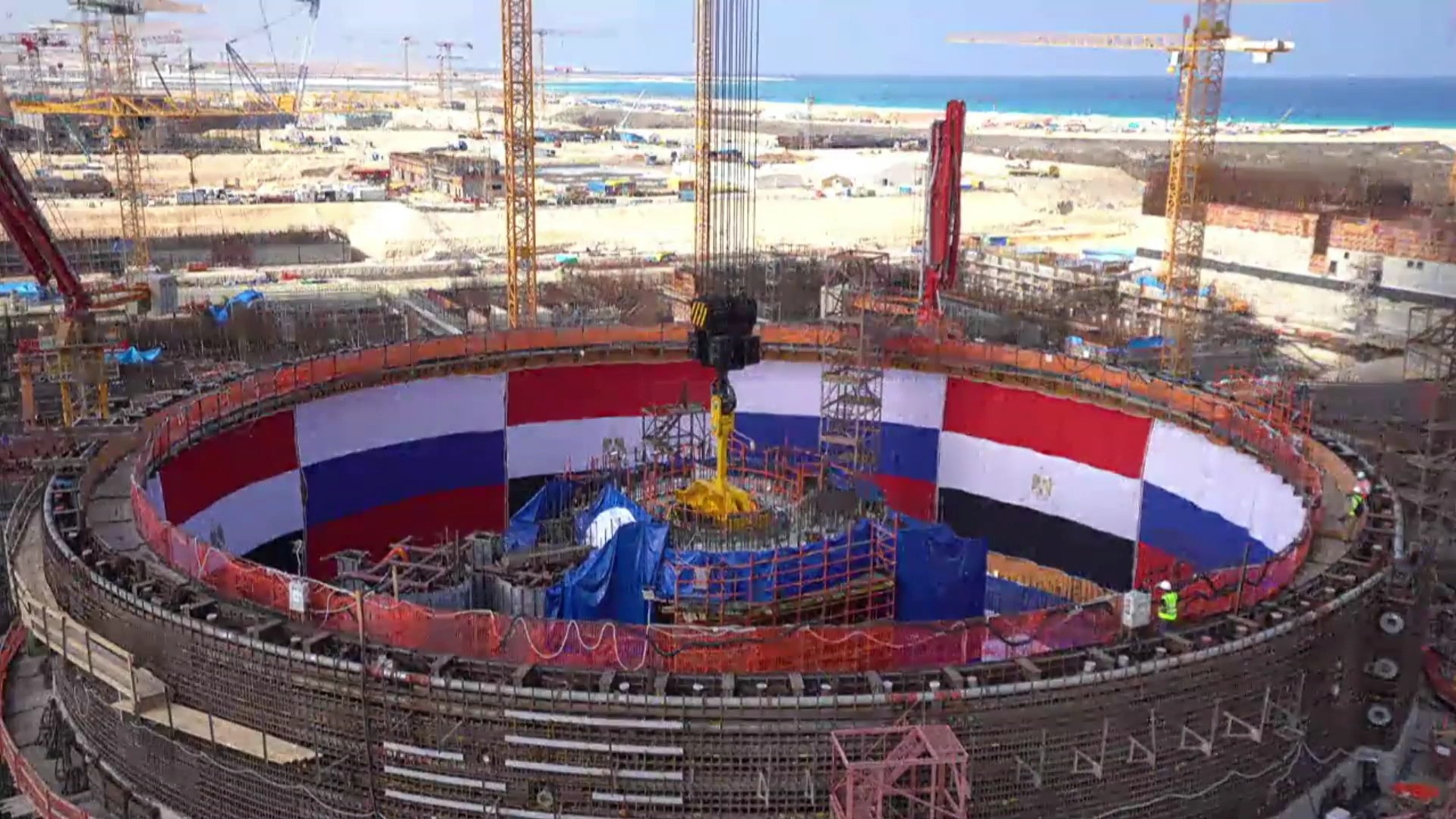
Just days after Egyptian nuclear authorities reportedly accused Rosatom of construction defects, poor management and vi...
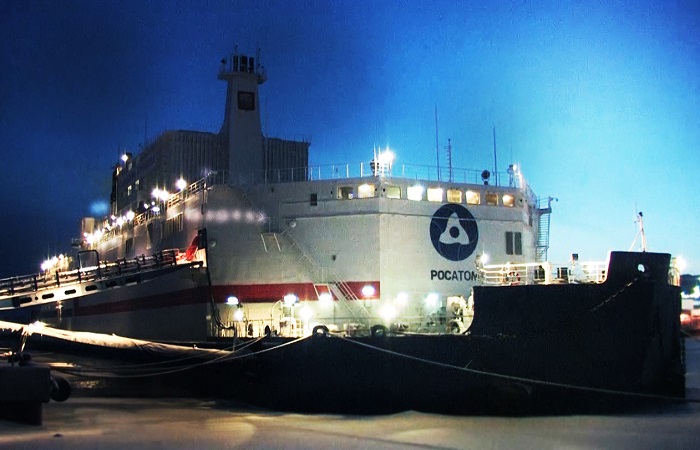
For years, the Akademik Lomonosov looked like one of the nuclear industry’s more eccentric experiments: two reactors mounted on a barge and tow...