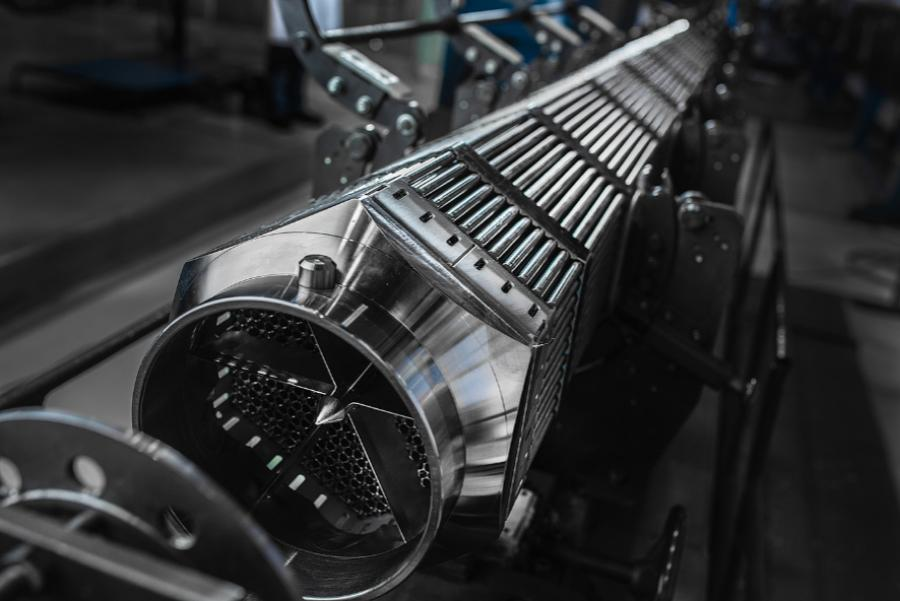
Germany wants independence from Russian nuclear fuel, using Rosatom as a bridge
Europe’s effort to break its dependence on Russian nuclear fuel has a paradox in Germany: making Russian-designed fuel without buying it from Russia ...
News
Publish date: August 15, 2000
Written by: Thomas Nilsen
News
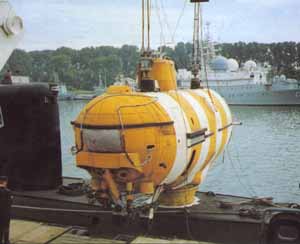
This photo shows one of Russia’s mini-submarines, purposely built to rescue crews out of sunken submarines. As shown in the photo, the mini-submarine is docked to an emergency exit hatch at a submarine. The rescue party in the area of accident will attempt to perform the same operation on the Kursk submarine at the bottom of the Barents Sea. The first attempt to dock to the hatch was not successful, but the rescue team is continuing their attempt and will hopefully manage to save the 116 crewmembers trapped in the sunken boat.
Russia has reportedly asked NATO for assistance in the rescue operation and late Tuesday night, a Scottish vessel carrying another mini-submarine for rescue operations from sunken submarines, is on its way to the north. But this vessel will need more than 40 hours to reach the Barents Sea, arriving at the earliest on Thursday afternoon.
ARS is a Russian abbreviation for “autonomous working capsule”, designed by Lazurit-bureau in St. Petersburg. It is supposed to have a crew of three and can possibly carry 15-20 persons each time. So, for the entire crew of Kursk, the operation has to be repeated 6 times. The ARS mini-submarine is 13.6 meters long and self-propelled. The batteries give the sub an operational time of 48 hours before they have to be recharged.
Europe’s effort to break its dependence on Russian nuclear fuel has a paradox in Germany: making Russian-designed fuel without buying it from Russia ...
Nearly four and a half years after Russia’s full-scale invasion of Ukraine, July offered fresh evidence of how difficult it remains to disentangle Ru...
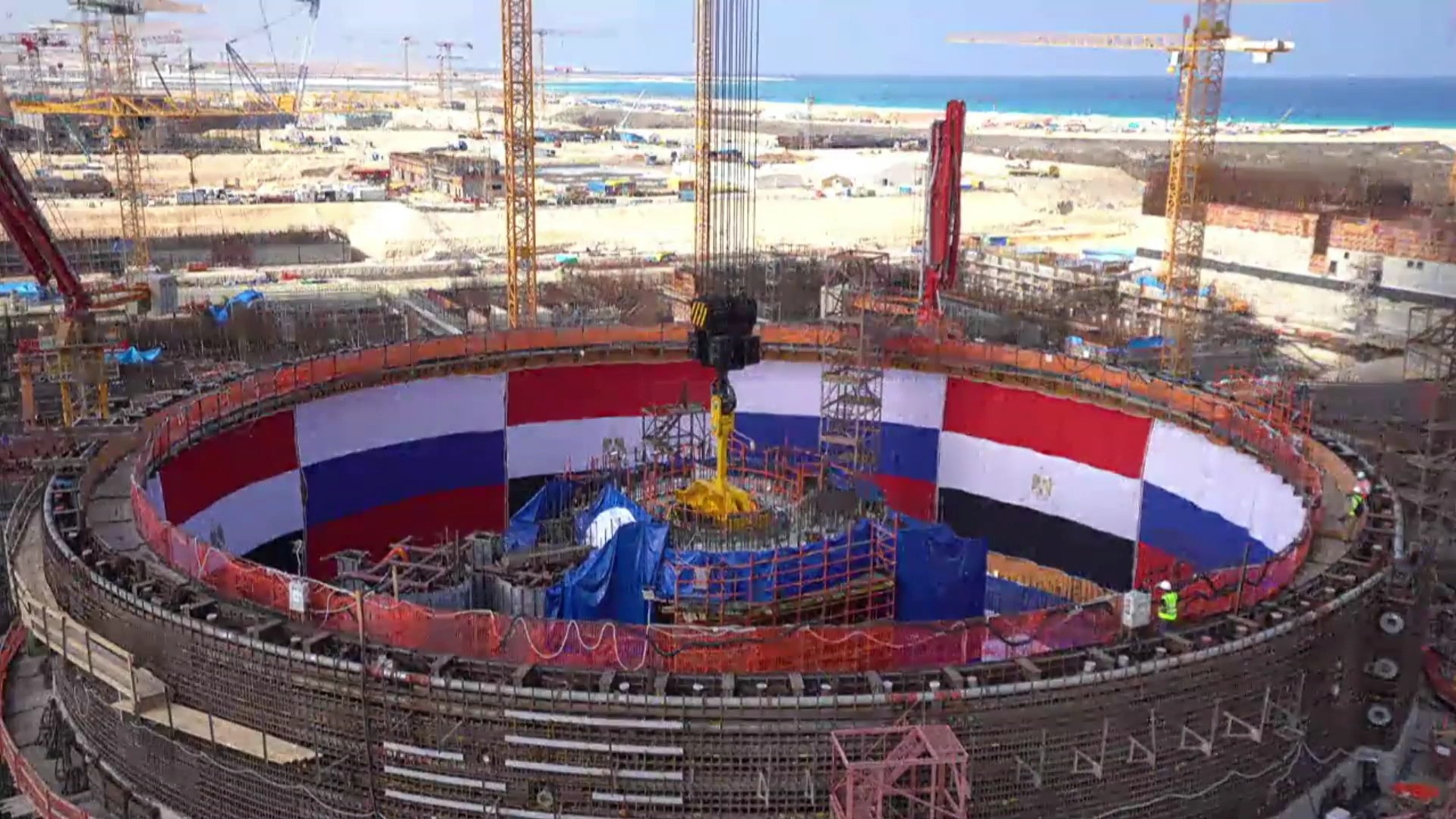
Just days after Egyptian nuclear authorities reportedly accused Rosatom of construction defects, poor management and vi...
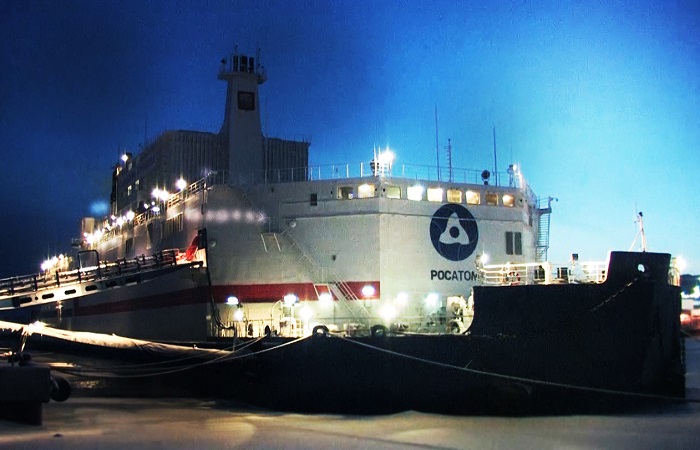
For years, the Akademik Lomonosov looked like one of the nuclear industry’s more eccentric experiments: two reactors mounted on a barge and tow...