
From reactors to shipping: Rosatom tightens its grip on Russian transport
Russia’s state nuclear corporation Rosatom has taken full control of one of the country’s largest logistics companies, consolidating an expanding tra...
News

Publish date: July 8, 2008
Written by: Charles Digges
News
The last elements of spent nuclear fuel have been removed from the Obninsk reactor, which went by the Russian name Atom Mirny, or Peaceful Atom, marking a milestone in the reactors full decommissioning, World Nuclear News reported.
The highly radioactive fuel was packaged for shipment to an interim storage site, and veteran reactor workers watched the process. The removal of the fuel elements was carried out one day before the 54th anniversary that marked the reactor going online.
The Obninsk reactor, a 5 megawatt graphite moderated prototype reactor unit, and was outfitted with a second-hand steam turbine. Graphite moderation cooling was already in use in the US Hanford reactor, which helped produce radioactive materials for the first US atomic bombs.
Graphite was also put to use as a moderator in British and Russian reactors, primarily the Chernobyl style RBMK reactor. Graphite’s exceptional qualities for containing heat were revealed by Britain’s Windscale Reactor, Pile 1, in 1957, when it was discovered too late that a fire had been raging within the reactor for several days without significant rising in temperature on control room monitors.
Unlike most graphite reactors in use at the time, Obninsk was used not for weapons purposes but for power production, supplying electricity across a conventional transmission grid. Obninsk came online after the EBR-1 unit in the US state of Idaho, which was used to light light bulbs using a 100 kilowatt output in 1951, and before the world’s first full scale nuclear power plant at Sellafield’s Calder Hall, which distributed 50 megawatts across a conventional grid in 1956.
The first commercial nuclear power plant was the 60 megawatt Shippingport unit in the United States, which came online in 1957. The Obninsk reactor was shut down in April 2002 and has since been monitored, while serving at the same time as a kind of nuclear museum.
Russian nuclear officials say the building is unlikely to be removed entirely, WNN reported. The unit itself is small, and the facility has been declared a monument to Russian scientific achievement.
Russia’s state nuclear corporation Rosatom has taken full control of one of the country’s largest logistics companies, consolidating an expanding tra...
August brought signs of growing pressure on several fronts for Russia’s state nuclear corporation Rosatom, from questions surrounding major construct...
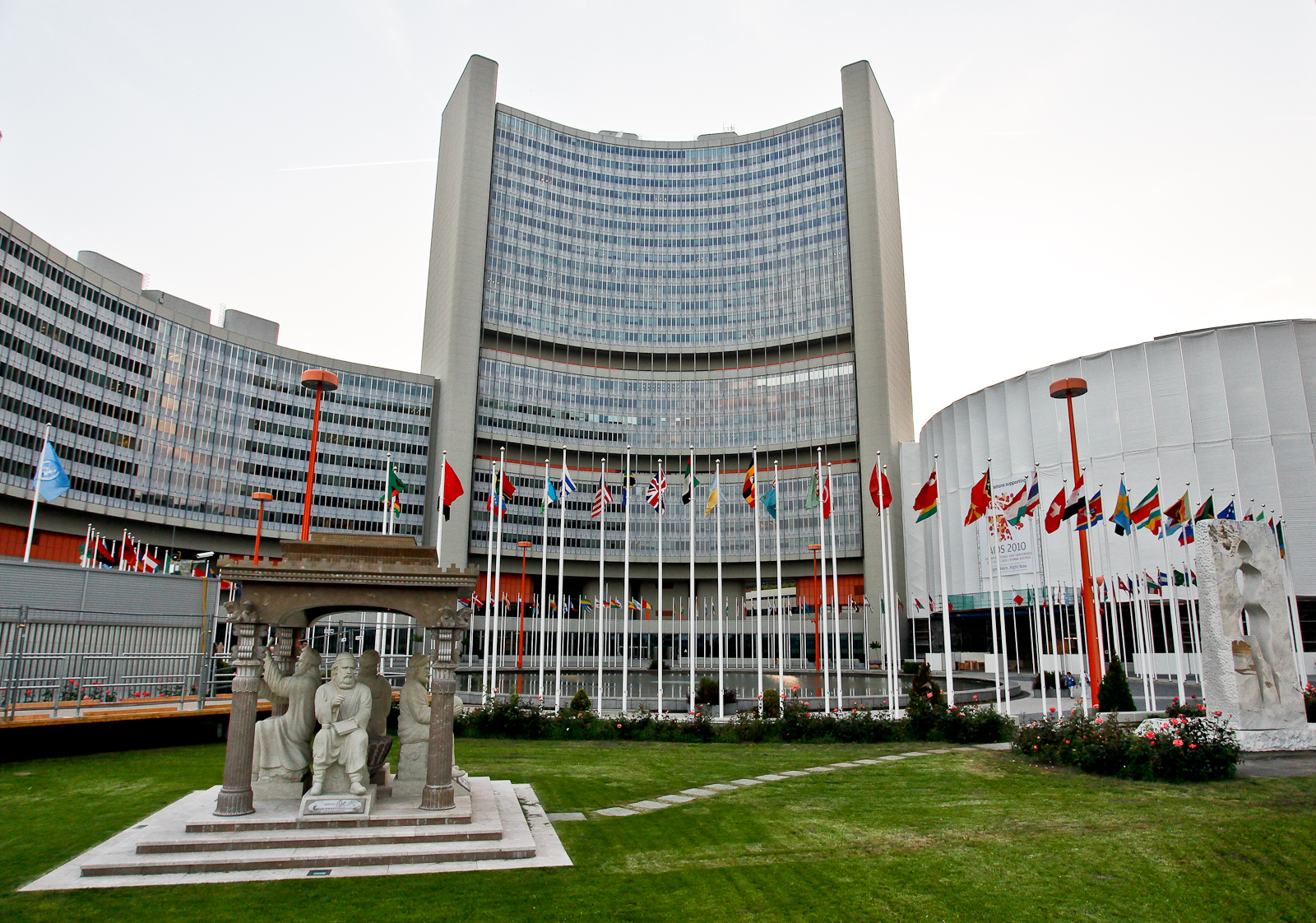
The International Atomic Energy Agency has suspended one of its most senior Russian officials — but for reasons largely unrelated to the questions ab...
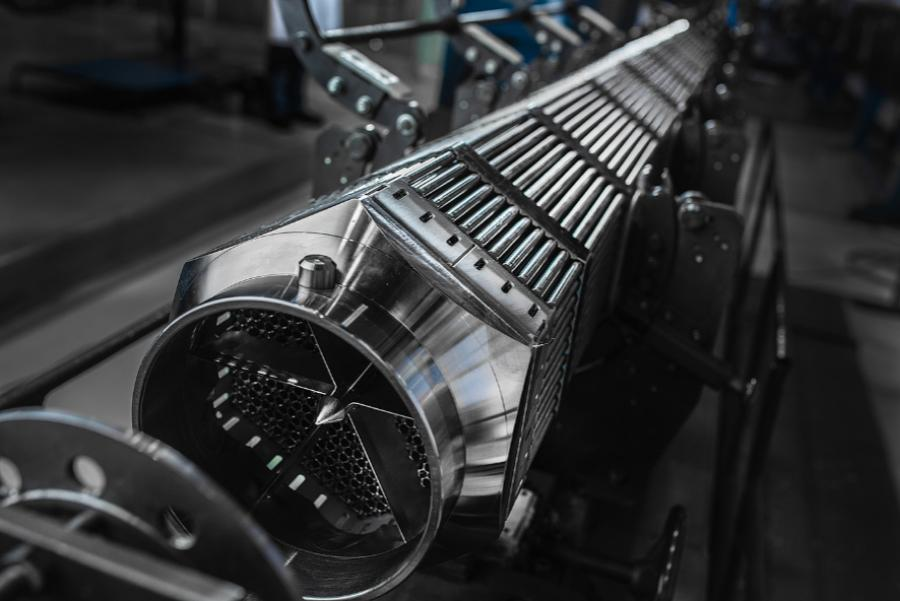
Europe’s effort to break its dependence on Russian nuclear fuel has a paradox in Germany: making Russian-designed fuel without buying it from Russia ...