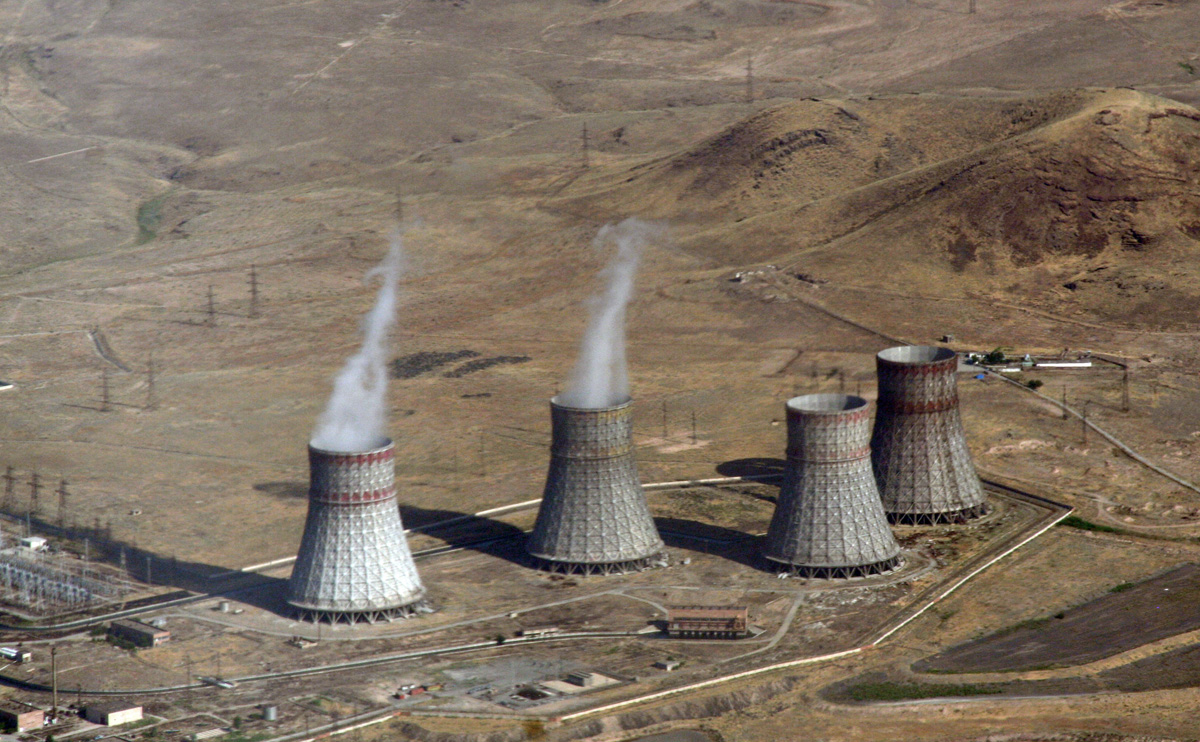
Armenia reconsiders nuclear future as Rosatom offers replacement for aging Soviet reactor
Armenia is reconsidering its plans for a new nuclear power plant after a fresh proposal from Russia’s state nuclear corporation Rosatom and a s...
News
Publish date: May 6, 2026
News
Russia’s Arctic energy ambitions depend on a delicate balance: stable production, predictable shipping routes, and a logistics network that can withstand both harsh conditions and geopolitical pressure. Developments in March suggest that balance is becoming harder to maintain.
Two events highlighted in Bellona’s latest Arctic Digest—the disabling of the LNG tanker Arctic Metagas and a series of tanker detentions in European waters—underscore growing vulnerabilities in how Russia moves its Arctic oil and gas to market.
Explosion on the Arctic Metagas shadow tanker
On March 3, the LNG carrier Arctic Metagas was disabled by an explosion in the Mediterranean Sea, leaving it adrift with liquefied natural gas and heavy fuel on board. While the immediate impact was logistical, the incident also exposed a serious risk: the environmental fragility of Russia’s Arctic energy model.
A drifting LNG tanker is not just a shipping problem—it is a potential environmental emergency. Although no major spill was reported, the presence of fuel oil and LNG aboard a disabled vessel highlights what could happen if a similar incident occurred closer to Arctic waters. In such conditions, containment and cleanup operations would be far more difficult, if not impossible.
Bellona analysts have repeatedly warned that Russia lacks the capacity to respond effectively to oil spills in harsh, ice-covered environments. The Arctic Metagas incident serves as a reminder that accidents involving Arctic energy shipments are not hypothetical—they are already happening.
At the same time, the disruption triggered a chain reaction across the Northern Sea Route. Tankers rerouted away from the Mediterranean, cargo accumulated in Arctic storage, and vessels idled at sea waiting to unload.
For Bellona, this combination of logistical fragility and environmental risk is telling.
“This highlights the vulnerability of logistics for sanctioned Russian gas,” our analysts note. “Any incident involving a shadow LNG tanker can significantly slow down or halt shipments.”
But beyond logistics, the implication is broader: the expansion of Arctic LNG exports is happening in a context where both infrastructure and emergency response systems remain inadequate. In a region already under pressure from climate change, even a single accident could have outsized and long-lasting consequences.
Tanker Detentions: Pressure at Sea
At the same time, Russia’s oil exports are facing growing friction in international waters. In March, France detained the tanker Deyna, which was carrying Arctic oil from Murmansk under what authorities suspect was a falsified flag. The vessel is now under investigation, marking the second such case in recent months.
The UK has gone further, authorizing its military to inspect and detain Russian shadow fleet vessels passing through its waters, effectively raising the risks for any tanker attempting to transit key maritime chokepoints.
Bellona analysts see this as a turning point.
“There were signs of real progress toward countering the Russian shadow fleet,” we note. “If this practice becomes established and scaled up, it could significantly hinder the illegal transportation of Russian oil.”
The mechanism is simple but effective. Many of these tankers operate with questionable documentation—unclear ownership, false flags, or manipulated tracking data. Inspections and detentions introduce delays, and delays undermine the economics of Russian oil.
“Any delay disrupts deliveries, making the supplier significantly less attractive to buyers,” we point out, even when prices are low.
There is also an environmental dimension. Rather than targeting oil infrastructure directly—risking spills in fragile Arctic ecosystems—detaining vessels at sea offers a lower-risk way to constrain exports.
A System Under Strain
Taken together, the disruption of Arctic Metagas and the tightening net around shadow tankers point to a common theme: Russia’s Arctic energy model is increasingly exposed at the level of logistics.
Production continues. Icebreakers still escort vessels. Cargo still moves. But the system is becoming less predictable, less efficient, and more vulnerable to disruption—whether from a single strike in the Mediterranean or a document check in European waters.
Armenia is reconsidering its plans for a new nuclear power plant after a fresh proposal from Russia’s state nuclear corporation Rosatom and a s...

Russia’s state nuclear corporation Rosatom has taken full control of one of the country’s largest logistics companies, consolidating an expanding tra...
August brought signs of growing pressure on several fronts for Russia’s state nuclear corporation Rosatom, from questions surrounding major construct...
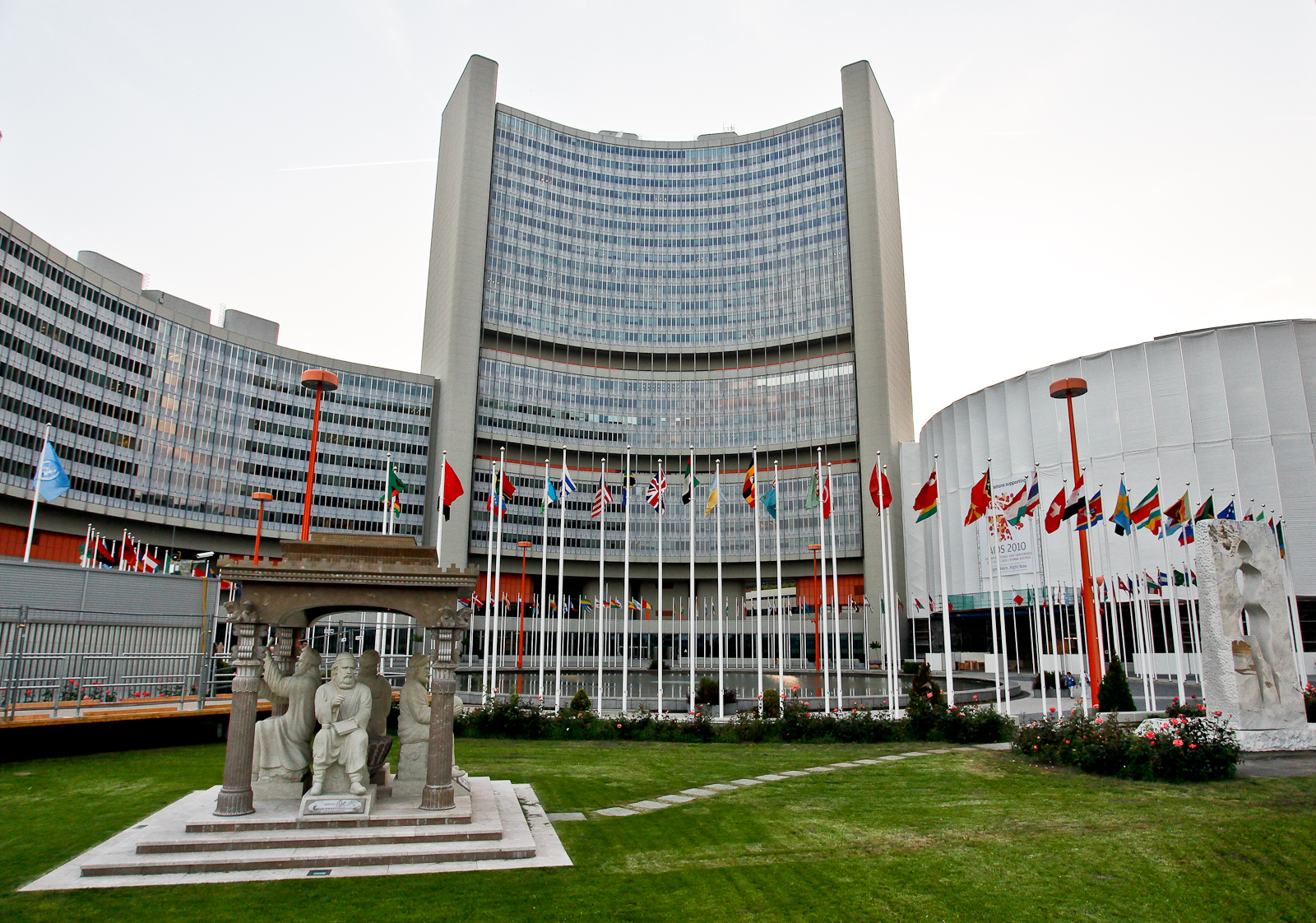
The International Atomic Energy Agency has suspended one of its most senior Russian officials — but for reasons largely unrelated to the questions ab...