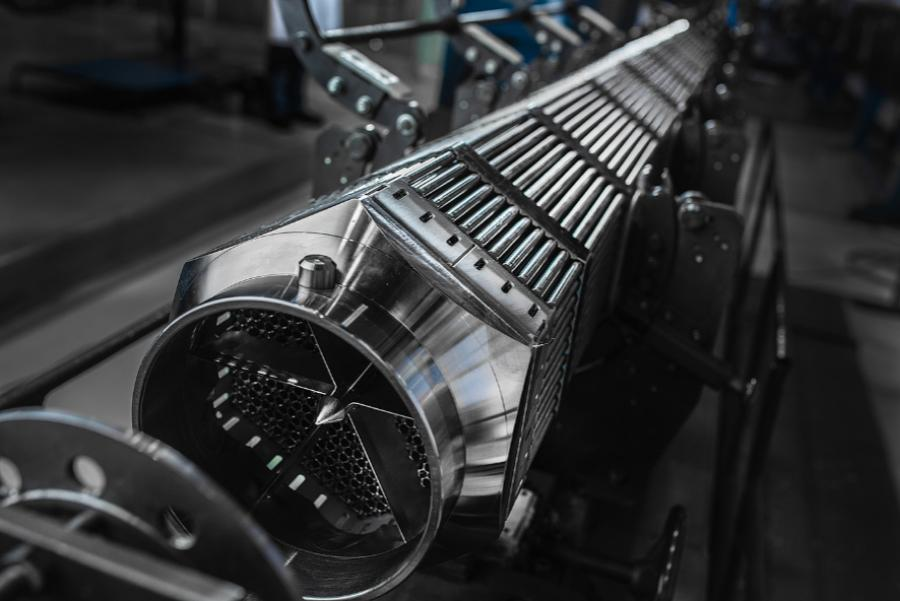
Germany wants independence from Russian nuclear fuel, using Rosatom as a bridge
Europe’s effort to break its dependence on Russian nuclear fuel has a paradox in Germany: making Russian-designed fuel without buying it from Russia ...
News
Publish date: April 8, 2008
News
The EU and Russia meet twice a year for a so-called human rights dialogue. The next dialogue will be held on April 17th in Ljubljana, Slovenia, the current holder of the EU presidency. In preparation for the human rights dialogue, the EU presidency organises meetings with civil society both in Russia and in the EU to hear their views on the topic.
Easier to make money than not make money in Russia
The EU presidential meetings with NGOs in Brussels took place on April 8th. Bellona, Amnesty International, Human Rights Watch, Human Rights Without Frontiers and the Brussels-based EU-Russia Centre all urged the EU to keep human rights issues on top of the political agenda with Russia. Bellona Europa’s adviser Eivind Hoff pointed out the inequality in the treatment of commercial versus non-commercial organisations in Russia.
“Today, it is less costly and complicated to set up and run a company to earn money than to run a not-for-profit organisation,” said Hoff.
“Yet president-elect Medvedev has stated that it must be made easier for small businesses to operate in Russia. They must be protected against arbitrary harassment by state inspectors, for instance. That sounds like a reasonable idea – but why not apply it also to NGOs?” he said.
Amnesty International’s David Nichols reported continued harassment of NGOs involved in “undesirable” activities, such as NGOs working to breach the gap between Russia and the breakaway republic of Chechnya after more than a decade of Russian-driven bloodshed and aggression there.
Enforcement of human rights rulings
The European Commission confirmed that the application of the NGO law in Russia would be raised with Russia in the human rights dialogue on April 17th. Another point of great concern was the enforcement of rulings by the European Court of Human Rights in Strasbourg, to which Russia is a party.
Russia has lost in a number of cases and provided compensation to victims of unlawful incarceration, for instance, but it has failed to prosecute Russian servicemen who perpetrate the crimes.
Europe’s effort to break its dependence on Russian nuclear fuel has a paradox in Germany: making Russian-designed fuel without buying it from Russia ...
Nearly four and a half years after Russia’s full-scale invasion of Ukraine, July offered fresh evidence of how difficult it remains to disentangle Ru...
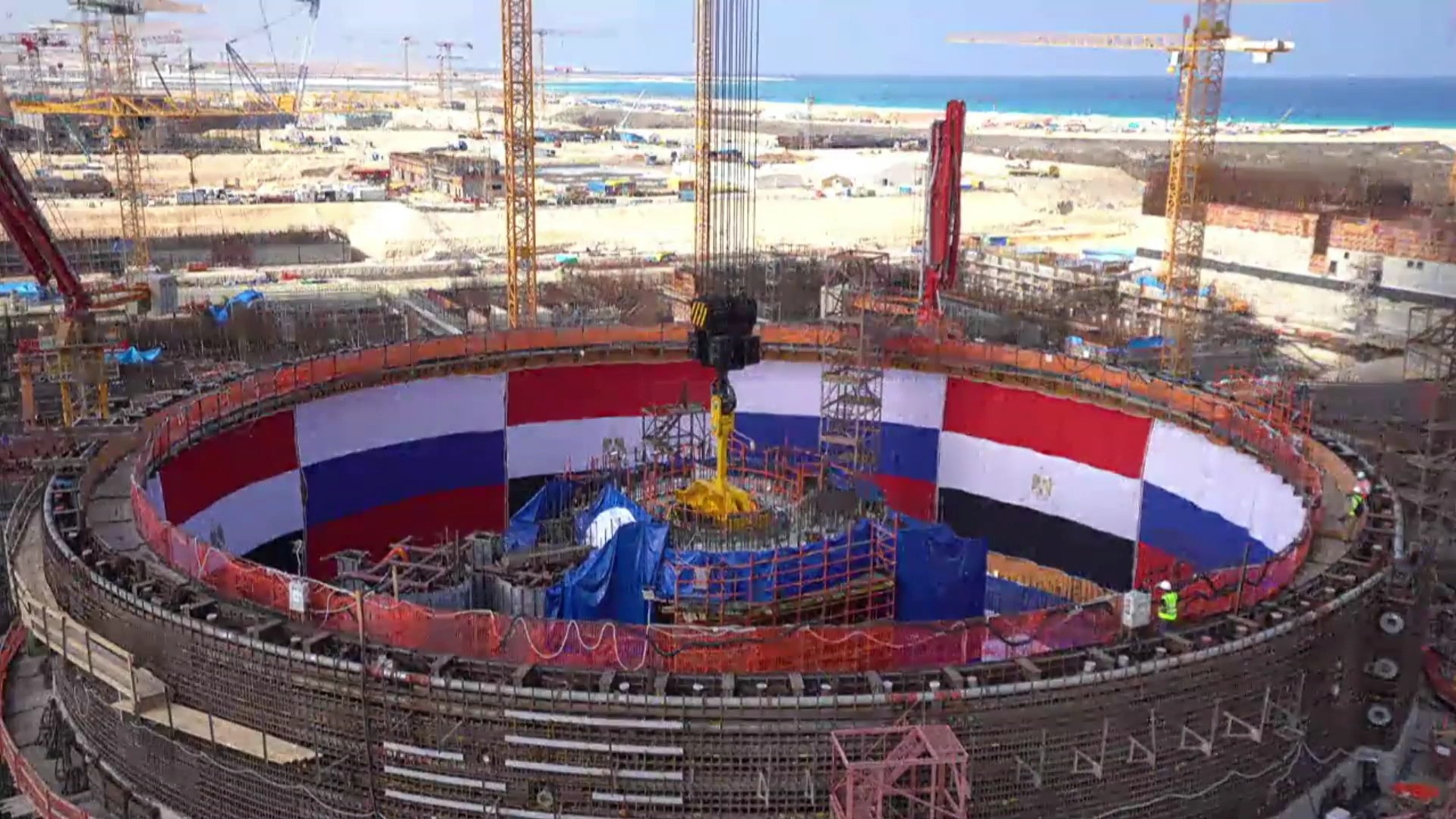
Just days after Egyptian nuclear authorities reportedly accused Rosatom of construction defects, poor management and vi...
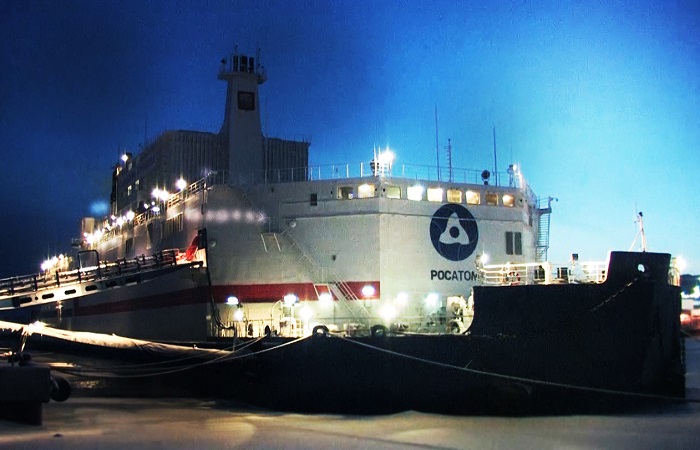
For years, the Akademik Lomonosov looked like one of the nuclear industry’s more eccentric experiments: two reactors mounted on a barge and tow...