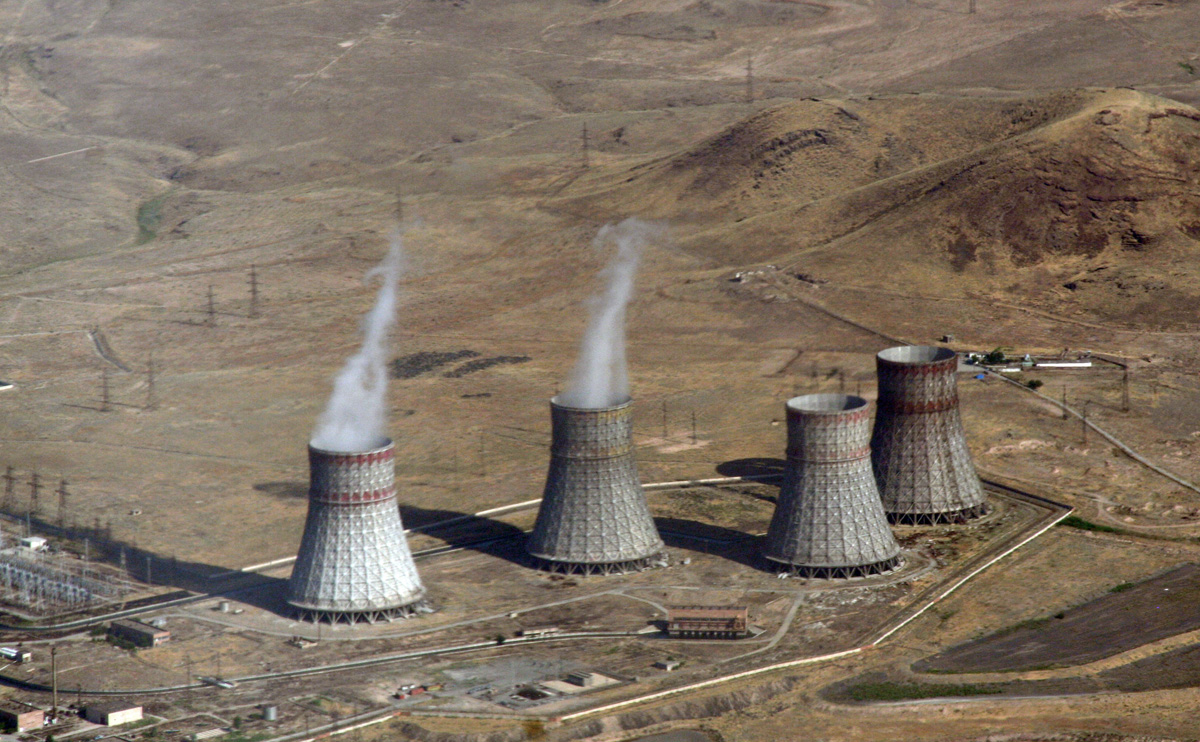
Armenia reconsiders nuclear future as Rosatom offers replacement for aging Soviet reactor
Armenia is reconsidering its plans for a new nuclear power plant after a fresh proposal from Russia’s state nuclear corporation Rosatom and a s...
News
Publish date: December 3, 2009
News
To this end, Bellona will be hosting a side event from 13:00 to 14:00 at the Bellona Room in the Bella Center in Copenhagen on Tuesday, December 8th entitled “Climate Policy in Russia.” Speakers will include representatives of Bellona, Ecodefence and the World Wildlife Fund, Russia.
Rising temperatures and extreme weather conditions will lead to non-uniform distribution of precipitation in cold and warm seasons, a growth of annual river throughput, an increase in size of underground waters, shifts of climatic zone borders, spread of desertification, more frequent river floods and poor harvests in Russia.
The Arctic region is experiencing some of the fastest rates of climate change. The most worrying consequence of a general rise in temperature, however, is an accelerated thawing of the Russian permafrost, which occupies more than 60 percent of the country’s northern regions. This constitutes a serious threat to Russian infrastructure. Thawing permafrost will affect Russia’s energy pipeline infrastructure, leading to increased gas leaks, oil spills and water supply disruptions. In addition, such a thaw will leave swamps in its wake that can become breeding grounds for infectious diseases.
In the context of such threats, it might be expected that Russian action to tackle climate change would be decisive. Instead, the Russian authorities have displayed a marked unwillingness to take these threats seriously. The country has been more or less invisible in the political discussions.
This session will focus on the internal climate policy of Russia as well as its position in the international climate talks, and shed light on the reasons for its passive approach, the commitments that the country has already made and the obligations, which are feasible.
Speakers (in order of presentation)
Armenia is reconsidering its plans for a new nuclear power plant after a fresh proposal from Russia’s state nuclear corporation Rosatom and a s...

Russia’s state nuclear corporation Rosatom has taken full control of one of the country’s largest logistics companies, consolidating an expanding tra...
August brought signs of growing pressure on several fronts for Russia’s state nuclear corporation Rosatom, from questions surrounding major construct...
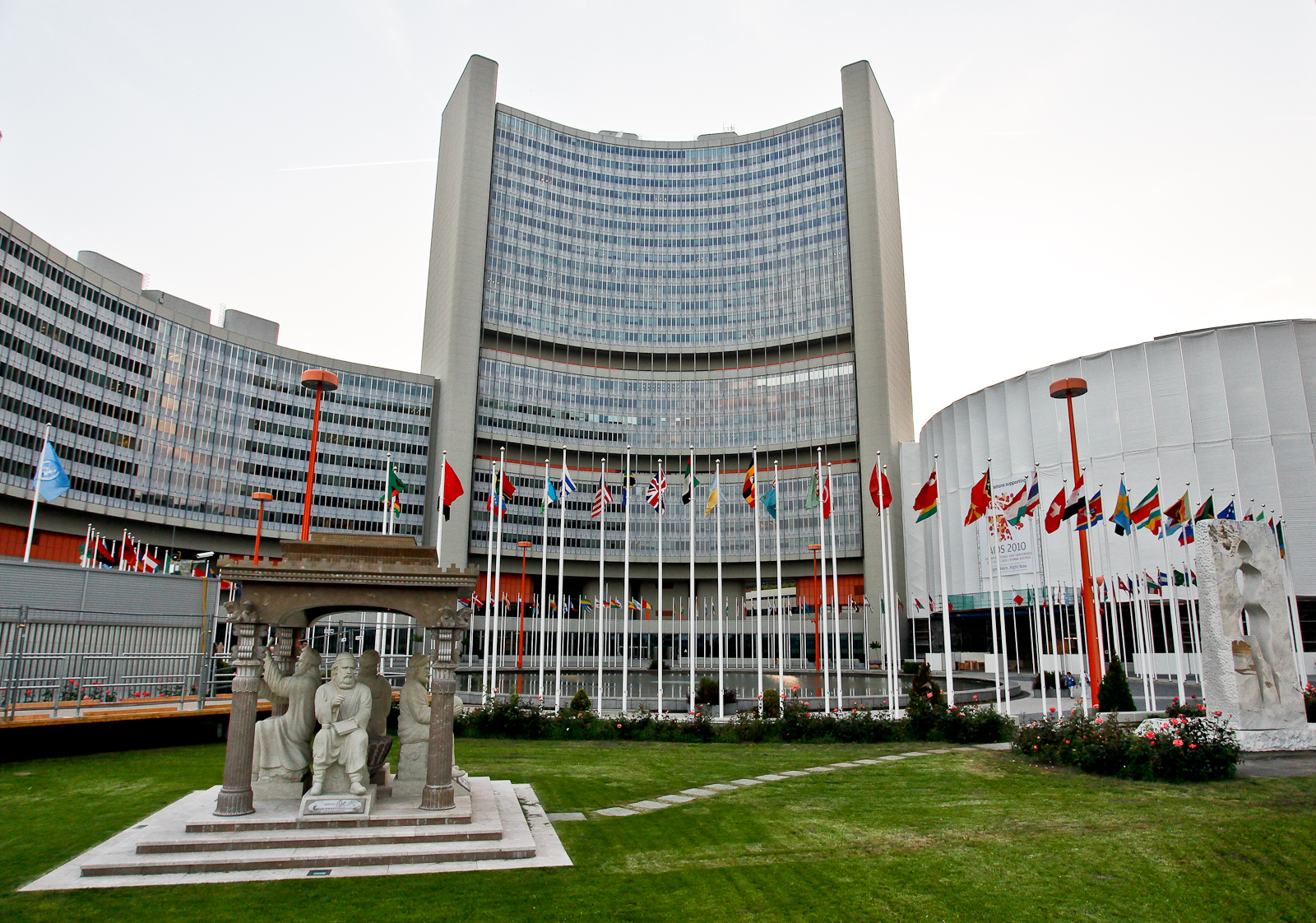
The International Atomic Energy Agency has suspended one of its most senior Russian officials — but for reasons largely unrelated to the questions ab...