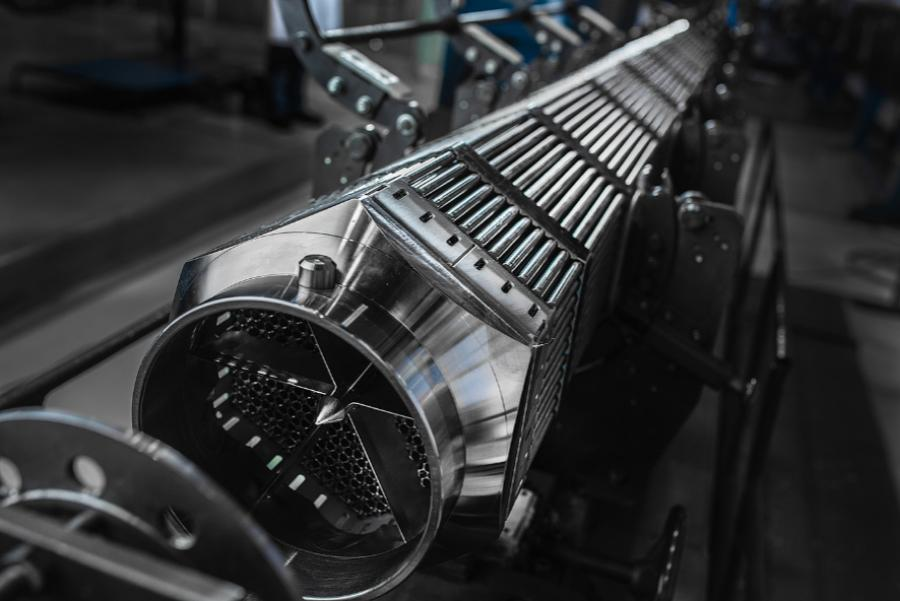
Germany wants independence from Russian nuclear fuel, using Rosatom as a bridge
Europe’s effort to break its dependence on Russian nuclear fuel has a paradox in Germany: making Russian-designed fuel without buying it from Russia ...
News
Publish date: November 26, 2004
News
Russian defence sector enterprises have lost more than 200 technologies, Yury Solomonov, director of the Moscow Institute of Heat Engineering, told a news conference in Moscow on October 29. “More than 200 technologies are now lost. In manufacturing separate components of missiles, raw materials are used that are not produced in Russia,” he said.
Mr. Solomonov emphasised that Russia is still facing the danger of losing some other technologies. Thus, according to him, Russia has only about 100 kilograms of carbon textile left for the manufacture of missiles. They will suffice to make only half of one rocket element, of which there are around ten, Alexander Tomakov, press secretary of the Moscow Institute of Heat Engineering, explained to RIA Novosti.
“Over the past three years, we have been working on the brink of a collapse,” Mr. Solomonov said. He said that unless measures are taken in the next two months, the state order for the production of Topol-M and Bulava missiles might be scuttled. “In 2004, serial work on the Topol-M was twice interrupted. It was the last warning,” Mr. Solomonov emphasised.
He also pointed out that there is practically no equipment left to produce raw materials used in the making of missiles. He explained that the only installation for manufacturing PAN fiber remains at the Saratovorgsintez enterprise. Moreover, it was built in the 60s and has been out of service for more than 10 years. “All the rest is sold out,” Mr. Solomonov said. He said that the situation with organic fiber, which is used in the manufacture of power units, is the same, reported RIA-Novosti.
Europe’s effort to break its dependence on Russian nuclear fuel has a paradox in Germany: making Russian-designed fuel without buying it from Russia ...
Nearly four and a half years after Russia’s full-scale invasion of Ukraine, July offered fresh evidence of how difficult it remains to disentangle Ru...
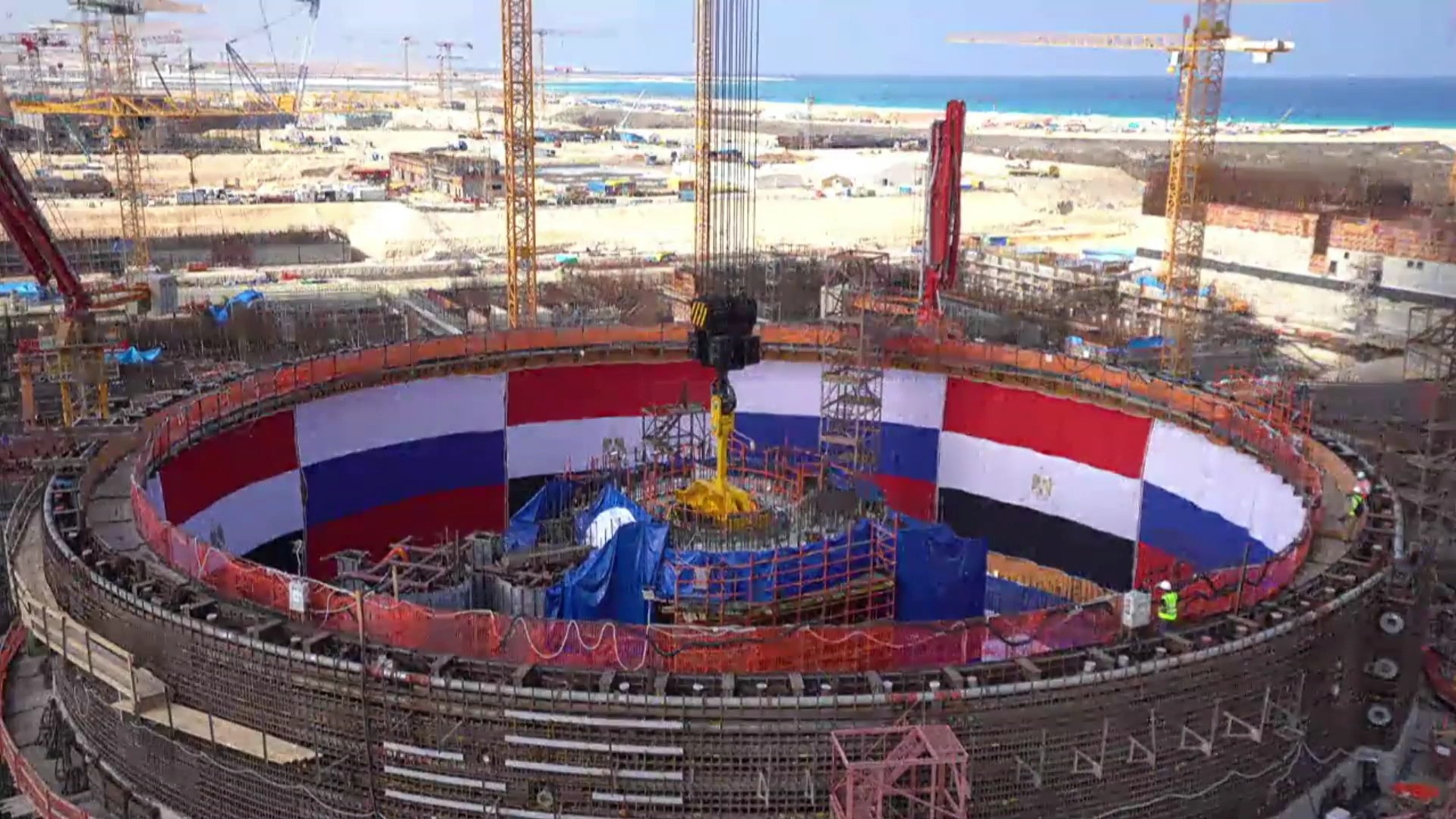
Just days after Egyptian nuclear authorities reportedly accused Rosatom of construction defects, poor management and vi...
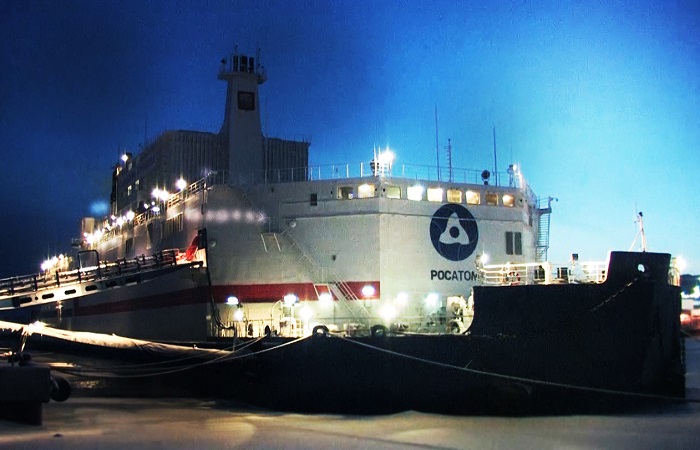
For years, the Akademik Lomonosov looked like one of the nuclear industry’s more eccentric experiments: two reactors mounted on a barge and tow...