Rosatom faces pressure abroad as Zaporizhzhia’s nuclear risks deepen
August brought signs of growing pressure on several fronts for Russia’s state nuclear corporation Rosatom, from questions surrounding major construct...
News
Publish date: March 23, 2004
News
The facility was open on February 26 at the shipyard no.10 in Polyarny, RIA-Novosti reported. The $5.1m project was initiated in 2001 in the frames of the Arctic Military Environmental Cooperation (AMEC) program formally established in 1996. The head of the shipyard 1st rank captain Anatoly Kolner told journalists that shipyard no.10 accumulated 600 cubic meters of the solid radioactive waste, which had been generated during dismantling of 15 first and second generation nuclear submarines. The waste mostly consists of rubber and plastic parts as well as light metal bulkheads of the nuclear submarines that are not highly contaminated. However, they are stored far from the European safety standards. According to Kolner, this project would allow to reprocess all this waste during one year. The Kola Peninsula accumulated total 800 thousand cubic meters of SRW. The Russian Defence Ministry agreed with the former nuclear ministry to use the facility not only for the navy, but also for the civil companies, which handle SRW.
The SRW facility at the Shipyard no.10 combined several AMEC radiation projects: a module mobile facility for SRW reprocessing, a hydraulic metal-cutting equipment, a press capable to reduce waste volume in 5 times, metal containers for the waste storage. The compressed SRW will be loaded into the metal barrels, which will be placed into specially designed containers. Then the containers will be stored maximum 15 years in the hangar. It is expected that the Russian government will build the permanent repository for the radioactive waste during this time. The solid radioactive waste treatment facility is expected to start operation in April after the State Commission approves it, media sources reported.
August brought signs of growing pressure on several fronts for Russia’s state nuclear corporation Rosatom, from questions surrounding major construct...
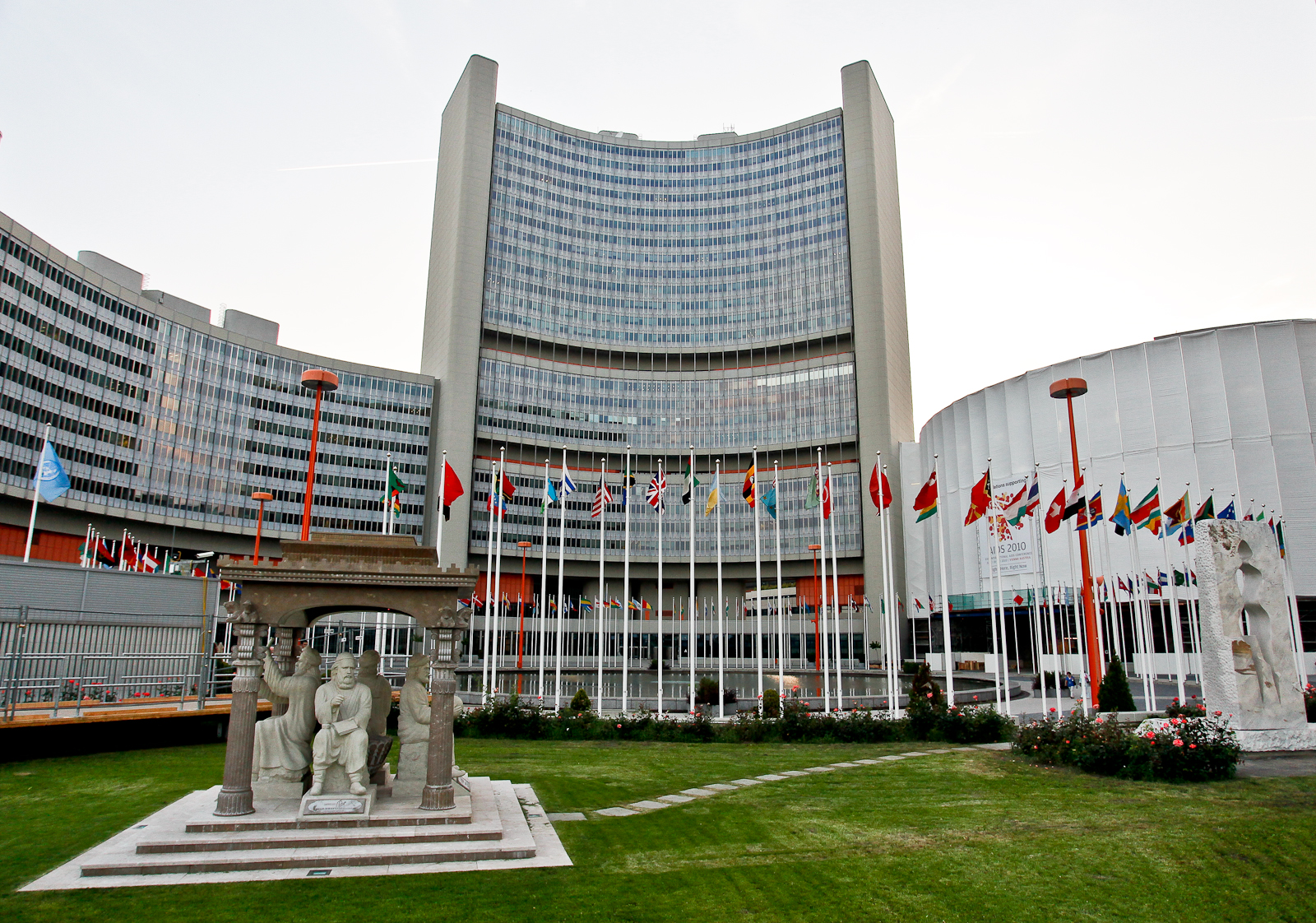
The International Atomic Energy Agency has suspended one of its most senior Russian officials — but for reasons largely unrelated to the questions ab...
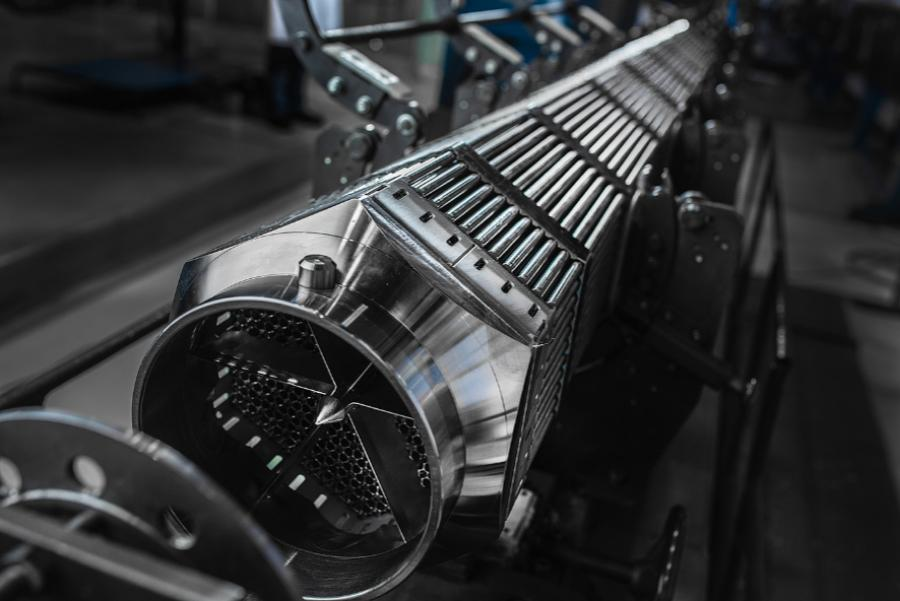
Europe’s effort to break its dependence on Russian nuclear fuel has a paradox in Germany: making Russian-designed fuel without buying it from Russia ...
Nearly four and a half years after Russia’s full-scale invasion of Ukraine, July offered fresh evidence of how difficult it remains to disentangle Ru...