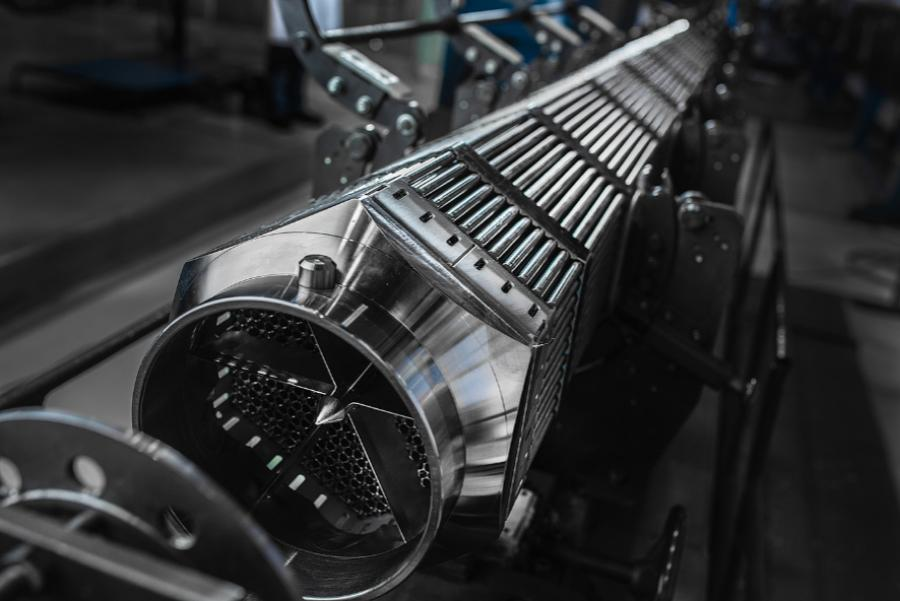
Germany wants independence from Russian nuclear fuel, using Rosatom as a bridge
Europe’s effort to break its dependence on Russian nuclear fuel has a paradox in Germany: making Russian-designed fuel without buying it from Russia ...
News
Publish date: November 12, 1997
Written by: Thomas Nilsen
News
The plan, presented by Dr. Eduard Petrov of the Krylov Institute in an interview with the St. Petersburg Times, is a result of more than five years of research. According to Petrov, the plan calls for 70 small-scale reactors like the ones used on nuclear submarines. These devices would be placed 100 meters below ground-level on four locations off the west coast of St. Petersburg. Heated water would be pumped through subway-like tunnels running through St. Petersburg. The energy produced by the reactors would cover as much as half of the needs of St. Petersburg and the Leningrad County.
As an added bonus – still according to Mr. Petrov – the reactors could heat the Gulf of Finland, preventing the freezes that block St. Petersburg`s ports for six months a year. And, as a doubled bonus, the gamma rays from the reactors could be used to bombard the city sewage, purifying it before it is dumped into the Gulf of Finland.
Air pollution would be reduced as demand for electrical power and heating on the city’s 2,400 coal burners is reduced. The underground reactors would even reduce toxic fumes in car exhausts. By injecting hydrogen, produced in the nuclear reaction process, into automobile fuel, harmfull fumes would be drastically reduced.
The reactors themselves would be encased in concrete chambers with one meter thick walls.
Sounds like a mad scientist’s plan? Indeed. Still, Petrov hopes for support to the plan from local authorities.
–The authorities aren’t very excited about the plan yet. We’ve shown them blueprints, and done the maths for them. But I don’t think they are going to fund it right away. Eventually, they will see how good the plan is, said Petrov to the St. Petersburg Times. The total cost of the plan is four billion USD.
Europe’s effort to break its dependence on Russian nuclear fuel has a paradox in Germany: making Russian-designed fuel without buying it from Russia ...
Nearly four and a half years after Russia’s full-scale invasion of Ukraine, July offered fresh evidence of how difficult it remains to disentangle Ru...
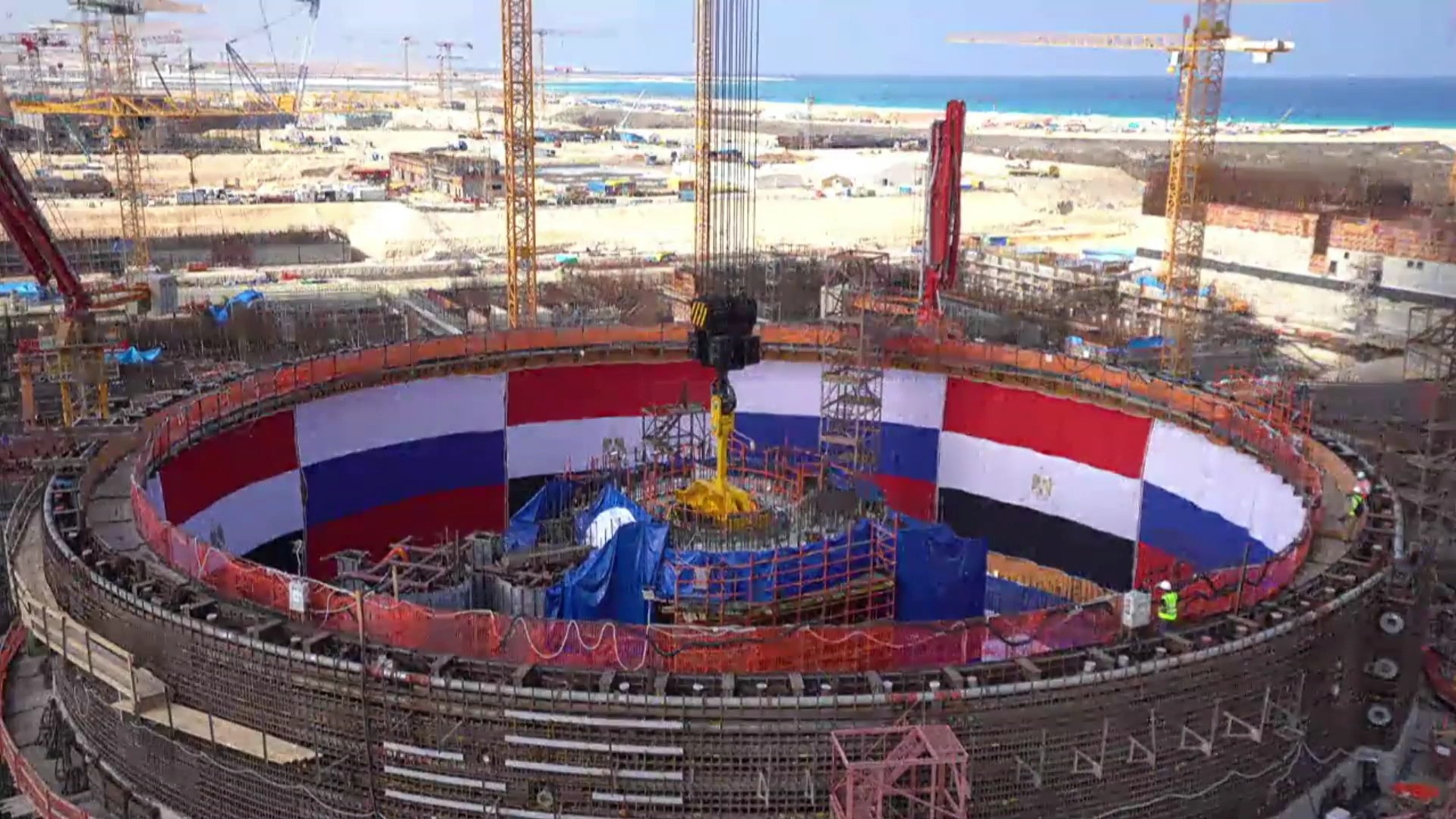
Just days after Egyptian nuclear authorities reportedly accused Rosatom of construction defects, poor management and vi...
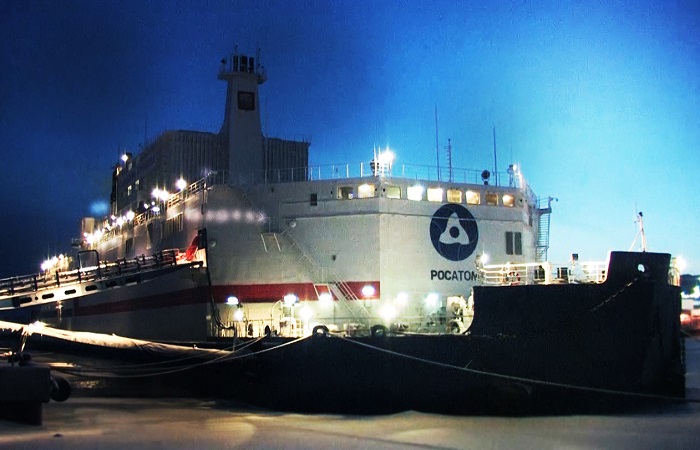
For years, the Akademik Lomonosov looked like one of the nuclear industry’s more eccentric experiments: two reactors mounted on a barge and tow...