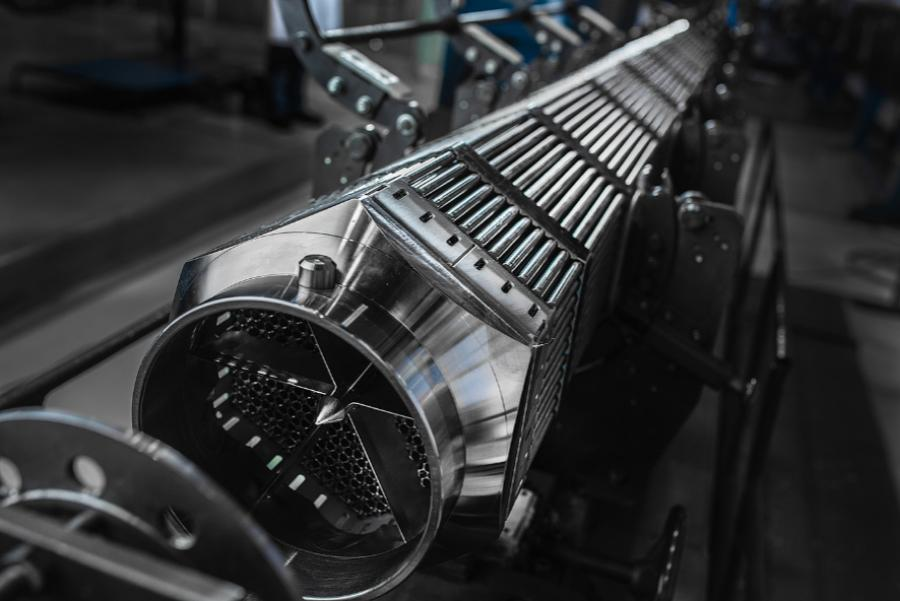
Germany wants independence from Russian nuclear fuel, using Rosatom as a bridge
Europe’s effort to break its dependence on Russian nuclear fuel has a paradox in Germany: making Russian-designed fuel without buying it from Russia ...
News
Publish date: January 30, 2007
News
Georgia announced last week that in February 2006 a Russian citizen was arrested and jailed for trying to sell 100 grams of highly enriched uranium-235 to Islamist extremists. Russia called the announcement a provocative act.
Documents from the Russian Federal Security Service (FSB) seen by Reuters suggested the uranium may have come from the Russian city of Novosibirsk in Siberia. “The Russian Prosecutor-General has asked for copies of documents (from Georgia) to start checks, and to consider launching a criminal case on the illegal purchase and holding of radioactive substances,” the spokesman said.
Highly enriched uranium in big enough quantities can be used to make a nuclear bomb.
A senior Georgian government official told Reuters yesterday a similar nuclear smuggling case occurred in 2003. Shota Utiashvili, head of the Interior ministry’s information and analytical section, said border guards then caught an Armenian man trying to smuggle 170 grams of highly enriched uranium-235 across the Armenia-Georgia border. “According to our information the uranium was bought from Russia,” he said. Utiashvili said the man was handed over to the Armenian police but he was unaware what had happened to him after that.
Europe’s effort to break its dependence on Russian nuclear fuel has a paradox in Germany: making Russian-designed fuel without buying it from Russia ...
Nearly four and a half years after Russia’s full-scale invasion of Ukraine, July offered fresh evidence of how difficult it remains to disentangle Ru...
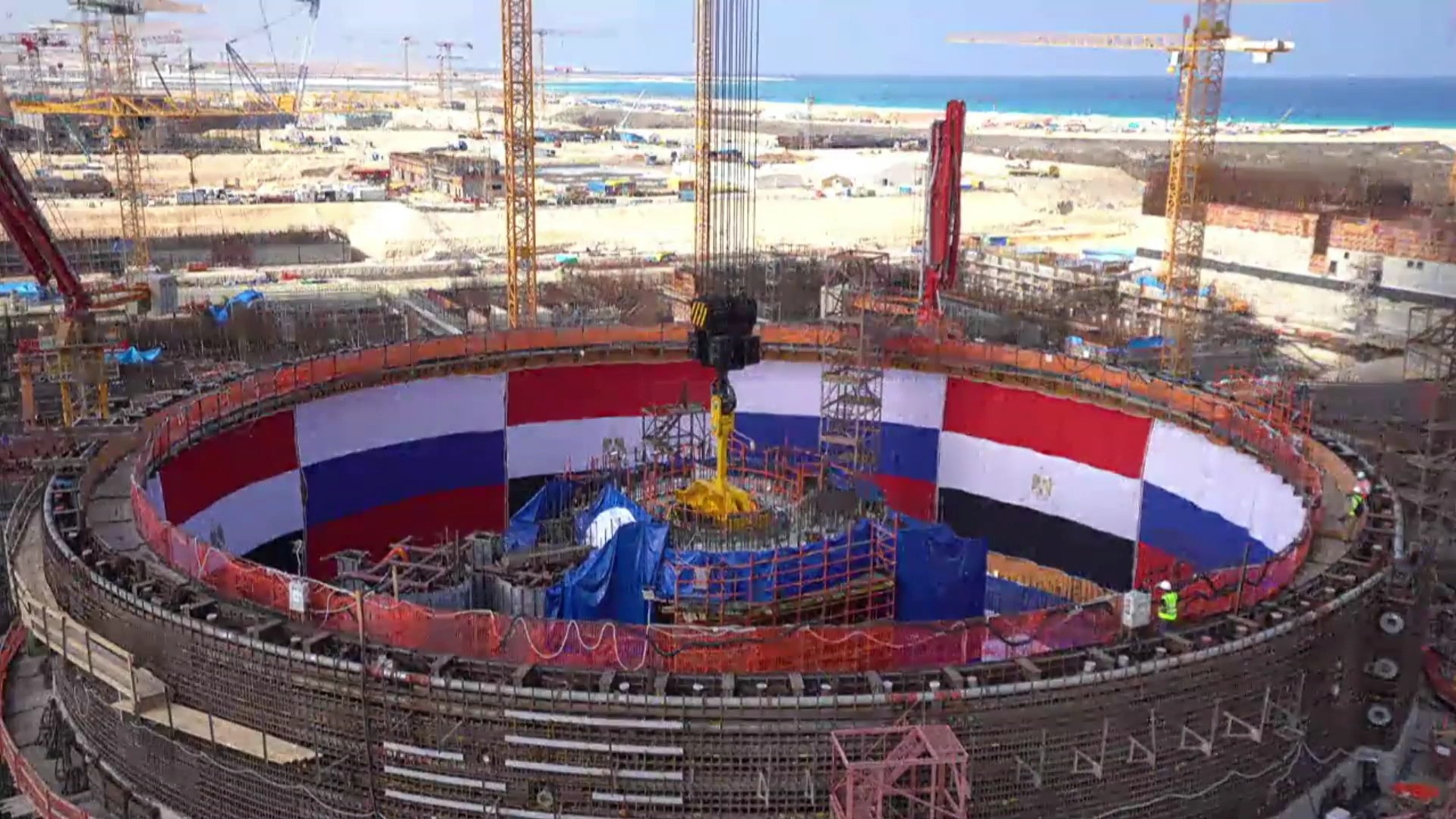
Just days after Egyptian nuclear authorities reportedly accused Rosatom of construction defects, poor management and vi...
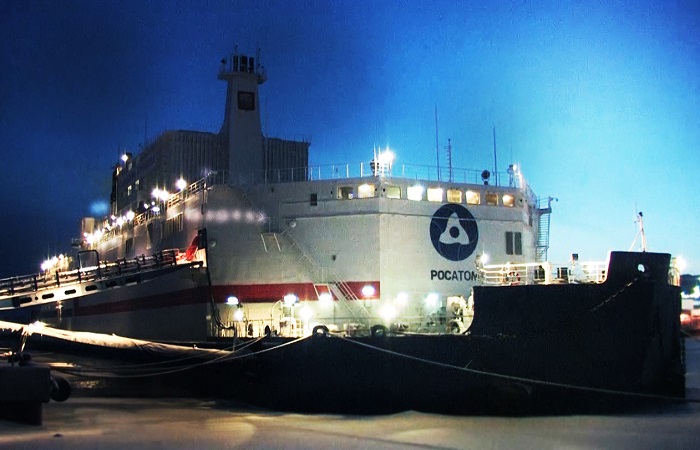
For years, the Akademik Lomonosov looked like one of the nuclear industry’s more eccentric experiments: two reactors mounted on a barge and tow...