Ukraine Pushes Ahead, the West Sends Mixed Signals, and China Draws Closer: Rosatom’s Uneasy Month
Even as the war grinds on, Ukraine continues to expand its civilian nuclear ambitions. Britain has tightened sanctions on Russia’s nuclear sect...
News
Publish date: January 19, 2004
Written by: Erik Martiniussen
News
Ever since June, the Tc-99-discharges from Sellafield have been retained and cleansed using a special cleaning technology based on chemical called tetraphenylphosphonium bromide, or TPP. The TPP mixed into Sellafields liquid radioactive waste stream—which is incrementally emptied into the sea thrice a year, with the goal of emptying the plants old storage tanks completely by 2007—has shown very promising results thus far, British Environment Agency specialist Andrew Mayall said. The British Environmental Agency is a government organisation within the Department for the Environment, Food and Rural Affairs, or DEFRA.
Mayall, who is a part of the group evaluating the results, said that the technology results shown by the new technology are promising. This could mean the end to Tc-99 discharges for good. If that proves to be the case at the end of the testing period, it will mean an astounding break-through for Bellona. It will also be a step forward for British Nuclear Fuels, plc, or BNFL, which operates the Sellafield plant. BNFL, with Bellona, has pushed British authorities to experiment with the TPP treatment.
"The plant trial is now complete and the results are being assessed, said Mayall. The signs so far are promising, but the final decisions regarding the implementation of TPP to treat the remaining MAC medium active concentrate will not be made until March," Mayall told Bellona Web.
Long nights Journey into Day
If the TPP treatment project continues as successfully as the current results suggest, it will mean the end of a long environmental battle. The British have been polluting neighbouring countries with Tc-99 discharges since 1994.
 Photo: Foto: Marius Engebregtsen
British and Norwegian radiation protection authorities will be present at the conference, as will British and Norwegian politicians. BNFL is also invited to attend.
The burning question has been whether it would be possible to store the radioactive Tc-99 on land. For years, the thrust of British inaction was that this could not be done. If one were to succeed in this endeavour—through the TPP experiment, for instance—NIREX, a British radioactive waste firm, would be given the responsibility of the wastes future storage. NIREX will also attend the February conference to discuss how this can be carried out.
Bellona has also updated its 2001 working paper on Sellafield. The document has been expanded into a wider-ranging report that shows an even clearer picture of the challenges left by British nuclear energy research. It contains, for example, new information about the radioactively contaminated sediments off Sellafields coast. An English translation will be available by the time of the February conference, and Bellona will present the new information to the British public.
Even as the war grinds on, Ukraine continues to expand its civilian nuclear ambitions. Britain has tightened sanctions on Russia’s nuclear sect...

As the European Union tightens sanctions on Moscow, Russia’s Arctic energy exports continue to find buyers—and increasingly rely on opaque and potent...
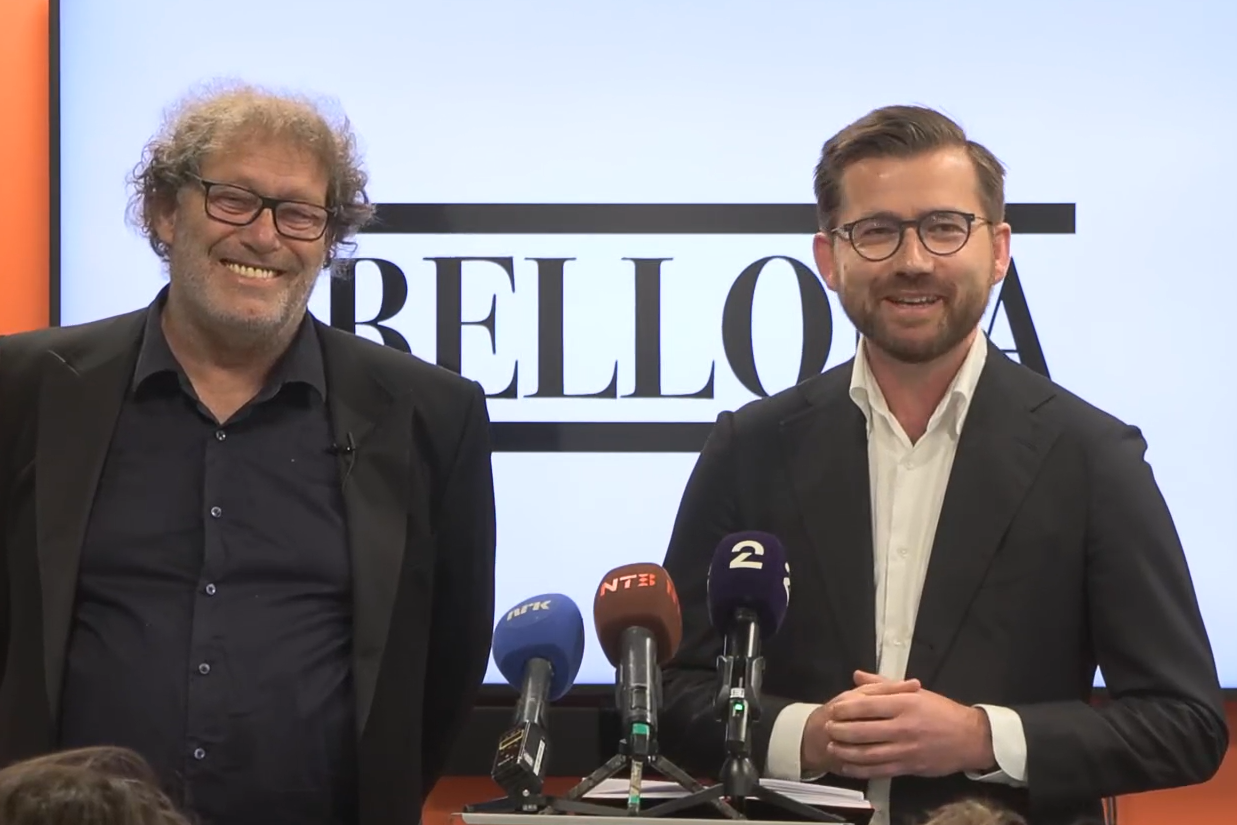
A fundraising campaign launched by the Bellona Foundation has succeeded in securing the organization’s future and averting bankruptcy. ̶...
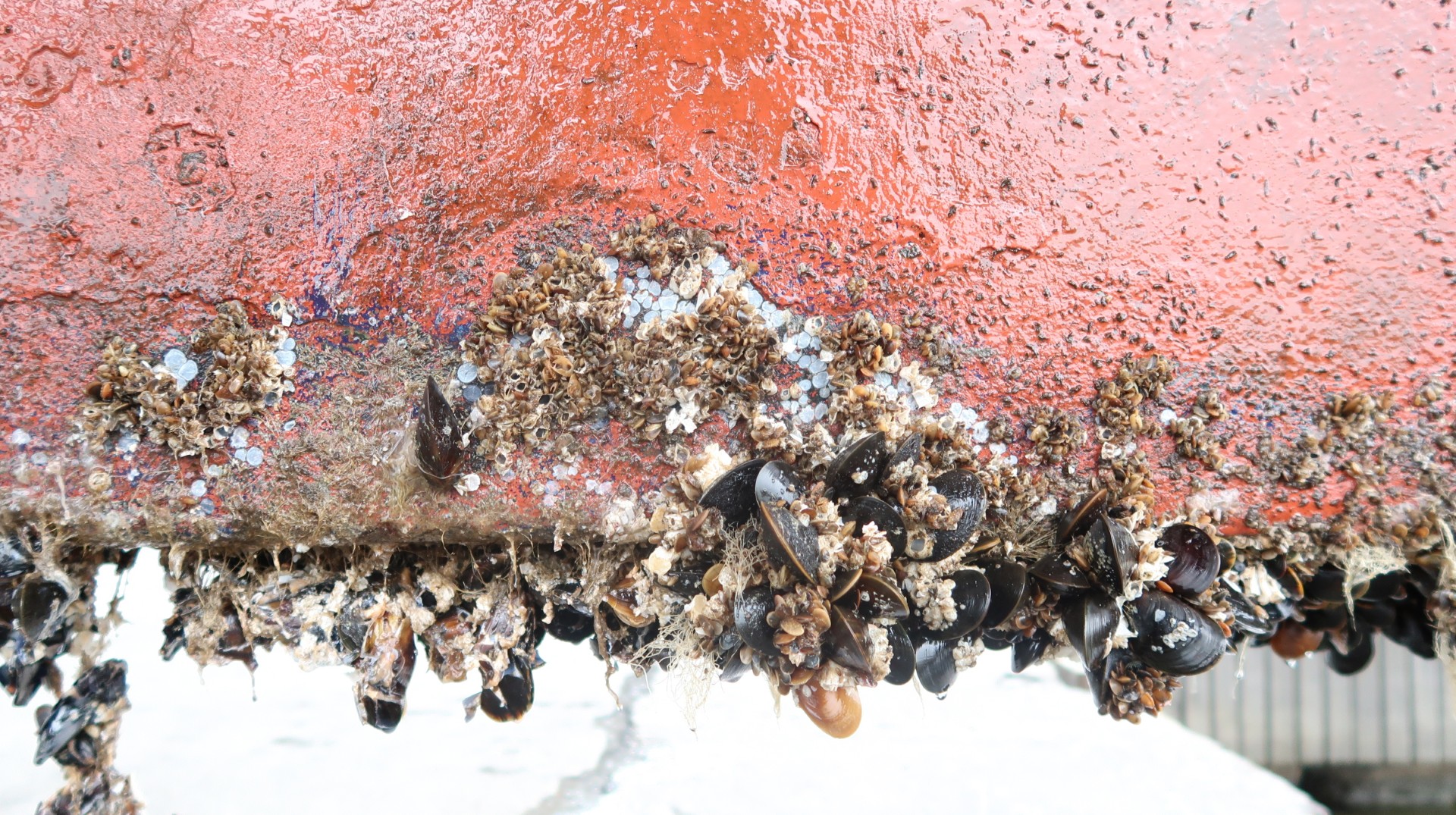
The shipping industry has a harmful secret—hiding just beneath the waterline. Barnacles, algae and microbial slime covering ship hulls may seem like ...